When Summer Meant Packing Everything: The Lost American Tradition of Living in Tents for Months
The Great Summer Migration Nobody Remembers
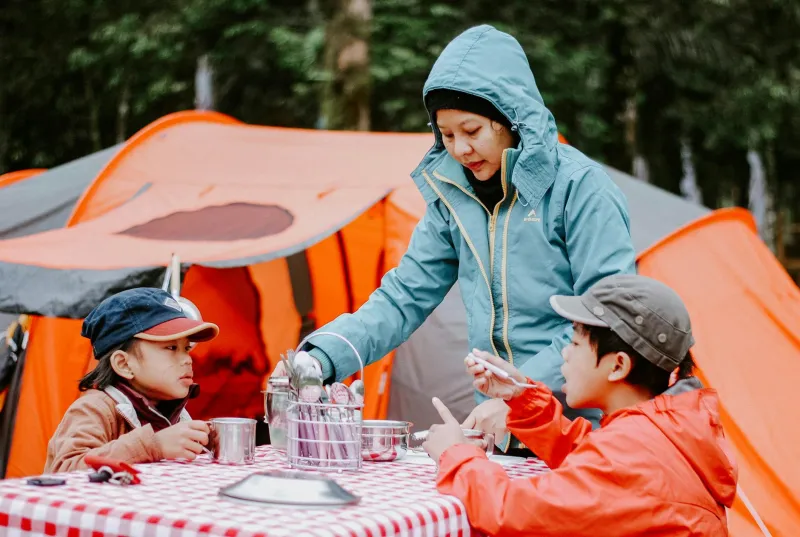
Every Memorial Day weekend, something extraordinary happened across America. Families would load their cars with everything they owned—furniture, cooking pots, even the family cat—and drive to sprawling tent communities where they'd spend the next three months living outdoors. This wasn't a vacation. It was how middle-class Americans spent summer.
From the 1910s through the 1950s, millions of families participated in what historians now call the "canvas exodus." Auto camps, bungalow colonies, and tent cities dotted the landscape from the Catskills to California's Central Valley. Unlike today's camping trips, these weren't weekend getaways. Entire neighborhoods would essentially relocate for the season.
How America's Tent Cities Actually Worked
These summer communities operated like temporary towns. The most elaborate versions featured wooden platforms for tents, communal kitchens, social halls, and even small libraries. Children attended summer schools. Adults organized bridge tournaments and amateur theater productions.
At Tent City in Colorado Springs, families could rent furnished canvas homes complete with wooden floors and electric lighting. The community included a post office, general store, and dining hall that served 2,000 meals daily at its peak in the 1920s. Parents worked reduced schedules or took extended leave, treating the summer relocation as essential as winter heating.
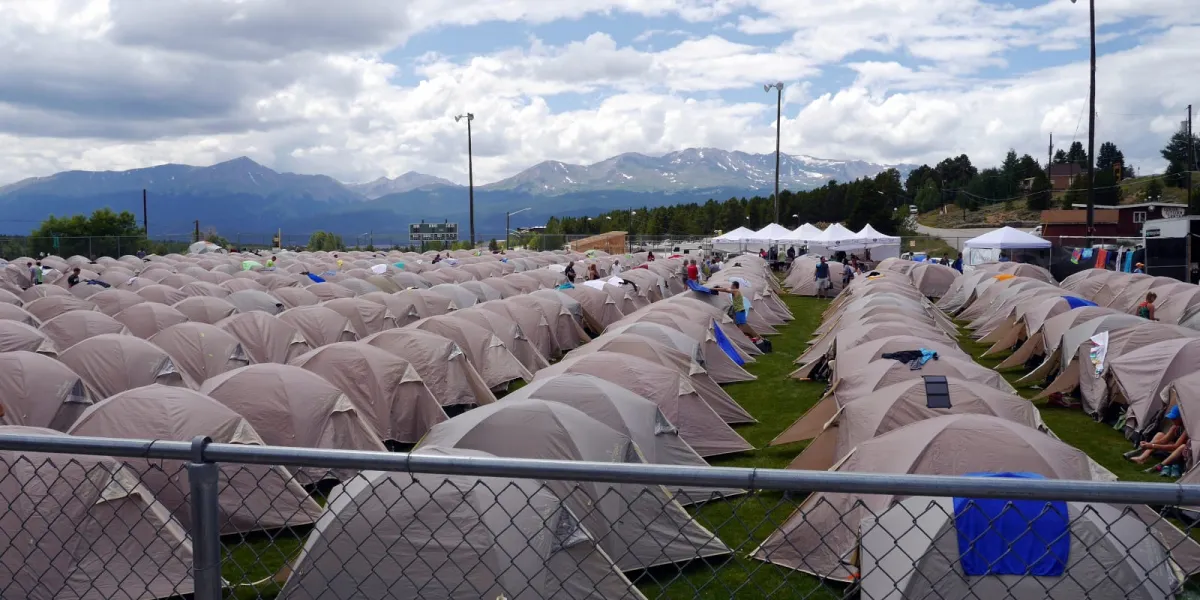 Photo: Tent City in Colorado Springs, via www.uncovercolorado.com
The economics made surprising sense. Renting a tent platform for three months often cost less than running a household's utilities during the hottest season. Before air conditioning became widespread, staying cool meant either expensive electric fans or escaping to higher elevations and shaded canvas.
The Social Rules of Temporary Living
These communities developed elaborate etiquette systems. At New Jersey's Ocean Grove tent community, residents couldn't hang laundry on Sundays or play cards where others could see. Children were expected to help with communal chores, from pumping water to collecting firewood.
 Photo: Ocean Grove, via www.travelvictoria.com.au
Yet the informality bred unexpected intimacy. Families who barely spoke during the winter would share meals and child-rearing duties all summer. Many tent city friendships lasted decades, with families returning to the same spots year after year.
The tent communities also served as informal marriage markets. Young adults from different cities would meet during the long summer months, leading to what locals called "canvas courtships." Some tent cities even published newsletters tracking engagements and weddings that began under their canvas roofs.
Why the Tent Cities Vanished
The decline began in the 1950s with widespread air conditioning and the rise of suburban swimming pools. Why live in a tent when you could stay cool at home? The automobile culture that had created the tent cities also killed them, as families opted for shorter car trips to distant destinations rather than long stays in nearby camps.
Changing work patterns also played a role. The post-war economy demanded year-round productivity, making three-month absences impractical for most workers. What had once seemed like a sensible lifestyle choice began looking old-fashioned, even primitive.
By the 1960s, most tent cities had been sold off for development or abandoned entirely. The few that survived transformed into RV parks or summer camps for children only.
Where the Tradition Still Lives
A handful of communities maintain versions of the old tent city tradition. Martha's Vineyard's Oak Bluffs still hosts families in its famous gingerbread cottages, which began as a Methodist tent revival community in the 1860s. Ocean Grove, New Jersey, continues to rent its original tent sites to families who return each summer.
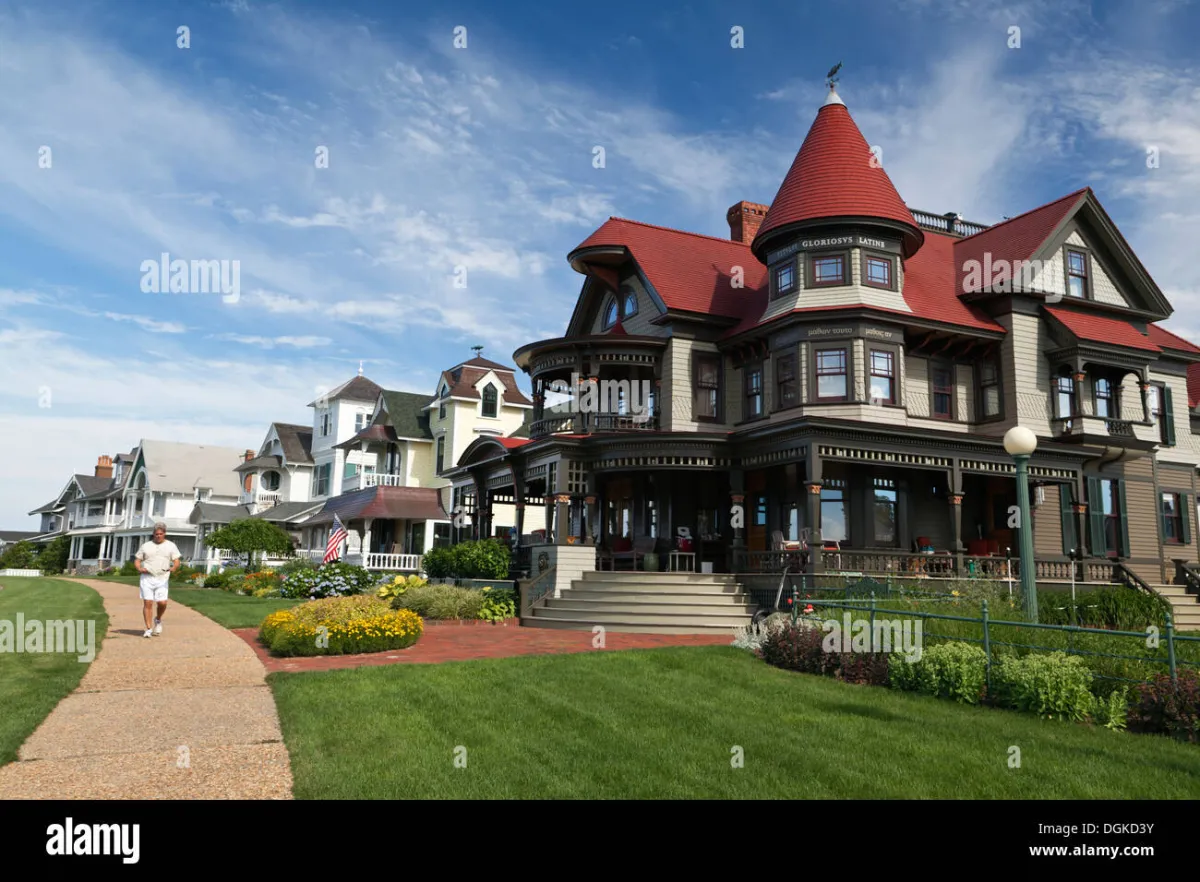 Photo: Oak Bluffs, via c8.alamy.com
In upstate New York, several Adirondack communities offer cabin rentals that preserve the multi-month summer residency tradition. These aren't luxury resorts but simple accommodations where families can escape for weeks or months at a time.
The appeal remains surprisingly strong. Modern families who discover these surviving communities often find themselves addicted to the slower pace and deeper social connections that emerge from extended stays.
What We Lost When We Stopped Moving
The tent city tradition represented something Americans have largely abandoned: the idea that lifestyle should change dramatically with the seasons. Modern life maintains the same rhythm year-round, with brief vacation interruptions.
Those long summer relocations forced families to simplify, to live with less stuff and more community interaction. Children learned independence by roaming safe, car-free environments where dozens of adults looked out for them. Adults found time for hobbies and friendships that winter's responsibilities crowded out.
Perhaps most importantly, the tent cities offered what psychologists now call "temporal landmarks"—clear breaks that help people process experiences and form lasting memories. When summer meant a completely different life, it felt genuinely restorative rather than just a brief pause from routine.
The tent cities proved that Americans once knew how to live differently, seasonally, communally. That knowledge hasn't completely disappeared—it's just waiting under canvas somewhere, ready for rediscovery.