Hidden Food Maps: The Isolated American Towns That Created Their Own Secret Cuisines
The Culinary Islands of America
Somewhere in Missouri, a town still serves a sandwich that doesn't exist anywhere else on the planet. Drive three hours in any direction, and no one has heard of it. This isn't unusual—America is dotted with places where complete food traditions developed in near-total isolation, creating cuisines so localized that neighboring counties have no idea they exist.
These aren't trendy fusion experiments or chef innovations. They're accidental culinary evolution, dishes born when immigrant communities, geographic barriers, and pure necessity combined to create something entirely new.
The Horseshoe That Stayed in Springfield
In Springfield, Illinois, locals order something called a "horseshoe" without thinking twice. Visitors stare at menus in confusion. The dish—an open-faced sandwich topped with french fries and cheese sauce—sounds simple enough until you taste it and realize this isn't just bar food. It's a complete regional cuisine that somehow never spread beyond central Illinois.
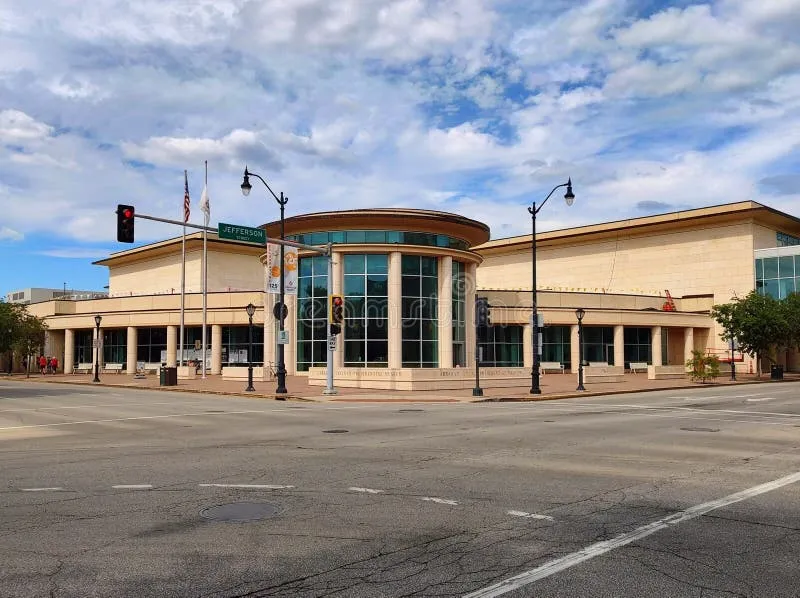 Photo: Springfield, Illinois, via thumbs.dreamstime.com
The horseshoe originated in the 1920s at the Leland Hotel, invented by chef Joe Schweska who needed to create something hearty for hungry hotel guests. The name supposedly comes from the horseshoe-shaped ham slice that topped the original version, though today's horseshoes feature everything from fried chicken to pork tenderloin.
What makes the horseshoe fascinating isn't just its isolation—it's how the dish evolved its own ecosystem. Springfield restaurants compete on cheese sauce recipes passed down through families. Local debates rage over proper fry-to-cheese ratios. The horseshoe has spawned miniature versions called "pony shoes" and breakfast variants topped with hash browns.
Yet drive two hours to Chicago or St. Louis, and restaurant workers will look at you like you're speaking a foreign language.
The Garbage Plate That Never Left Rochester
Rochester, New York, guards another culinary secret: the "garbage plate." Despite its unappetizing name, this combination of two cheeseburgers or hot dogs served over french fries and macaroni salad, topped with meat sauce and onions, represents serious regional identity.
 Photo: Rochester, New York, via i.etsystatic.com
The garbage plate was invented in the 1910s by Nick Tahou, a Greek immigrant who needed to feed factory workers something filling and cheap. The dish reflects Rochester's working-class immigrant population—Greek, Italian, and German influences combined into something uniquely American.
Local restaurants have spent decades perfecting their meat sauce recipes, which remain closely guarded secrets. The sauce typically combines ground beef, spices, and tomatoes, but each establishment's version tastes distinctly different. Some use cinnamon, others rely on cumin, and a few add unexpected ingredients like chocolate or coffee.
Rochester natives living elsewhere often drive hours to get authentic garbage plates, because attempts to recreate the dish in other cities consistently fail. The specific combination of local suppliers, water chemistry, and generational technique knowledge can't be easily replicated.
The Pasty That Crossed an Ocean and Stopped
Michigan's Upper Peninsula preserves one of America's most isolated food traditions: the pasty. This handheld meat pie traveled from Cornwall, England, with copper miners in the 1860s and then simply stopped moving.
 Photo: Michigan's Upper Peninsula, via i.redd.it
The Cornish pasty—pronounced "PASS-tee"—consists of beef, potatoes, onions, and rutabagas wrapped in pastry crust. The crimped edge served as a handle that miners could hold with dirty hands, eating the filling and discarding the contaminated crust.
What makes Michigan's pasty tradition remarkable is how it preserved itself in amber. While Cornwall itself largely abandoned pasty-making, the Upper Peninsula maintained the tradition with religious devotion. Local families still argue over proper crimping techniques and whether carrots belong in the filling (purists say absolutely not).
Today, the U.P. supports dozens of pasty shops, each claiming to serve the most authentic version. The annual Pasty Fest in Calumet draws thousands of visitors who often discover this entire culinary tradition for the first time.
The Tenderloin That Conquered One State
Indiana's pork tenderloin sandwich represents perhaps the most successful example of hyper-local cuisine. The "breaded pork tenderloin" consists of a hammered-flat pork cutlet, breaded and fried until it extends far beyond the bun that struggles to contain it.
The sandwich allegedly originated in Huntington, Indiana, in 1908, when Nick Freienstein created an oversized schnitzel sandwich for his deli. The concept spread throughout Indiana like wildfire but mysteriously stopped at the state borders.
Indiana takes its tenderloin seriously. The Indiana Pork Producers Association sponsors annual contests to crown the state's best tenderloin. Local newspapers publish tenderloin trail maps. Gas stations throughout rural Indiana advertise their tenderloin sandwiches as major attractions.
Yet cross into Illinois, Ohio, or Kentucky, and the pork tenderloin sandwich essentially doesn't exist. It's as if an invisible culinary border surrounds Indiana, protecting this regional treasure from outside influence.
Why These Cuisines Stay Hidden
These isolated food traditions survive because they're deeply embedded in local identity rather than commercial appeal. They exist for locals, not tourists. The communities that preserve them often view outside attention with suspicion, fearing that exposure will lead to commercialization and corruption of authentic recipes.
Geography also plays a role. Many of these dishes developed in places that were difficult to reach during their formative years—mining towns, agricultural communities, industrial cities that outsiders had little reason to visit.
Perhaps most importantly, these cuisines require cultural context to appreciate. A horseshoe or garbage plate might seem unappetizing to newcomers, but they represent comfort, tradition, and community identity to locals who grew up with them.
Finding America's Hidden Cuisines
For food adventurers willing to venture off the culinary beaten path, these hidden cuisines offer something increasingly rare: authentic surprise. They represent American food history that developed organically rather than through marketing or celebrity chef promotion.
The key to finding them lies in local knowledge—asking longtime residents about dishes unique to their area, visiting family-owned restaurants that have operated for decades, and paying attention to menu items that sound unfamiliar.
These culinary islands remind us that America's food story extends far beyond the familiar narratives of barbecue regions and ethnic neighborhoods. Sometimes the most interesting American cuisine hides in plain sight, waiting in small-town diners and family restaurants that never bothered to explain themselves to outsiders.