Silent Runways: The Abandoned Airports That Could Change How America Travels
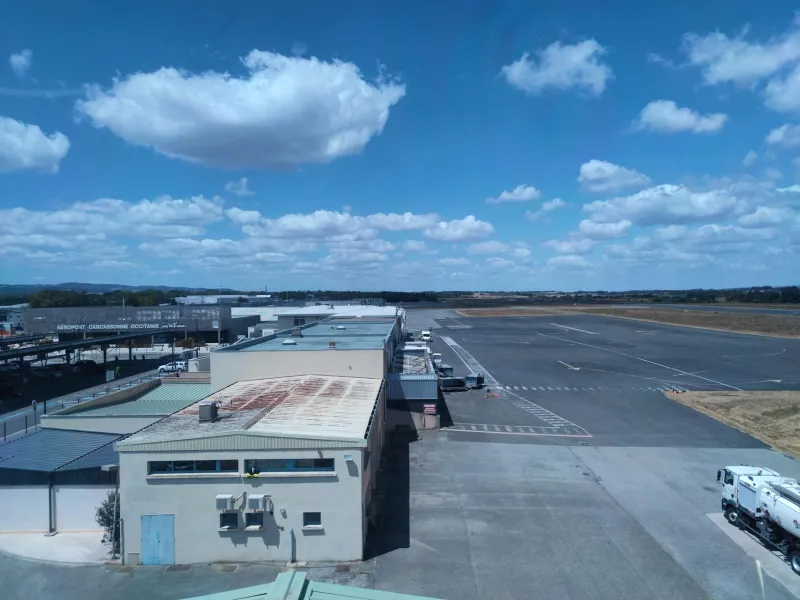
The Airports Time Forgot
Tucked between cornfields in Iowa sits a 5,000-foot runway that could handle a Boeing 737. Built in 1943 to train bomber pilots, the Ottumwa Regional Airport now sees maybe three flights a week. The terminal building, with its art deco curves and terrazzo floors, feels like a movie set from a different era of American travel.
Ottumwa isn't alone. Across the United States, nearly 600 public-use airports built during World War II or the postwar aviation boom sit largely abandoned by commercial airlines. Most Americans have never heard of them, despite the fact that many offer services that could revolutionize how we think about domestic travel.
When Every Town Wanted Wings
The story begins in the 1940s, when the federal government built airports everywhere. The Civil Aeronautics Administration believed that aviation would democratize travel the same way railroads had in the previous century. Every mid-sized town lobbied for an airport, convinced that air service would bring prosperity and connection to the wider world.
For a brief moment, they were right. In the 1950s and early 1960s, airlines like Ozark, Piedmont, and North Central served hundreds of small cities with reliable regional flights. You could fly from Dubuque to Chicago, or from Hagerstown to Baltimore, on scheduled service that connected seamlessly to larger networks.
Then deregulation changed everything.
The Hub-and-Spoke Trap
When airline deregulation passed in 1978, carriers quickly discovered they could make more money by funneling passengers through major hub airports rather than serving small cities directly. The hub-and-spoke system was born, and within a decade, most small-town airports lost their scheduled service entirely.
Today, if you want to fly from Cedar Rapids to Nashville, you'll likely connect through Chicago or Denver — a journey that can take most of a day. But both cities have perfectly good airports that could handle direct flights if anyone thought to use them differently.
The Charter Secret
Here's what most travelers don't know: many of these "abandoned" airports still offer charter services at surprisingly reasonable rates. A group of six people can often charter a small plane between regional airports for less than the cost of six last-minute airline tickets — and the experience is completely different.
Take the airport in Mason City, Iowa, where Buddy Holly's plane took off on its final flight in 1959. Today, it's home to several charter operators who regularly fly fishing groups to remote lakes in Minnesota or business travelers to meetings in small Midwestern cities. The entire process — from parking to takeoff — takes about fifteen minutes.
 Photo: Buddy Holly, via fargotheatre.org
 Photo: Mason City, via i.pinimg.com
Discovering Hidden America
These airports also provide access to a version of America that feels completely untouched by modern tourism. The towns they serve — places like Quincy, Illinois, or Mason City — weren't designed for visitors arriving by interstate highway. They were built around their airports, with downtown areas that assumed travelers would arrive by air.
Walk through downtown Ottumwa or browse the shops near the Quincy airport, and you'll find businesses that still cater to the kind of traveler who arrives without a rental car reservation or a hotel booking app. Local taxi drivers know every restaurant in town. Hotel clerks provide hand-drawn maps to local attractions.
The Pilots Who Remember
Many of these airports are kept alive by a generation of pilots who remember when flying was different. They maintain the runways, staff the control towers (when they exist), and run the small charter operations that provide the only remaining air service.
At the Waterloo Regional Airport in Iowa, 78-year-old Chuck Brennan has been giving flying lessons for over forty years. He remembers when United Airlines served the airport with daily flights to Chicago. Now he teaches local farmers to fly and occasionally charters flights for groups wanting to avoid the hassle of commercial aviation.
"People have forgotten that you can just call an airport and ask to go somewhere," Brennan says. "They think you need an airline ticket for everything."
A Different Kind of Journey
Flying between these forgotten airports offers something that commercial aviation has lost entirely: the sense of travel as discovery rather than transportation. There are no TSA lines, no gate delays, no crowds. Just the simple transaction of asking to go somewhere and having someone help you get there.
Some airports have embraced their role as gateways to forgotten America. The Dodge City Regional Airport in Kansas markets itself to hunters and history buffs wanting to experience the authentic American West. The airport in Cape Girardeau, Missouri, caters to travelers exploring the Mississippi River towns that most tourists never see.
Finding Your Own Ghost Airport
If you're curious about exploring this hidden network, start with the FAA's airport directory, which lists every public-use airport in the country. Look for airports with 3,000-foot runways or longer in areas you want to explore. Most will have at least one charter operator, and many offer services you never knew existed.
The next time you're planning a trip to somewhere off the beaten path, skip the airline booking sites. Call the local airport instead. You might discover that the fastest route between two points isn't always through a hub airport — and that some of the best travel experiences happen in places the modern world forgot to notice.