When Americans Ate Dinner at Noon: The Meal Schedule That Science Says We Got Right the First Time

The Great American Meal Flip
Walk into any American restaurant at 6 PM and you'll witness what most people assume is a timeless ritual: families gathering for their largest meal of the day. But if you could time-travel to 1850, you'd find those same families finishing up their biggest meal hours earlier, around noon, and settling down to a light supper of bread, cheese, and maybe some leftover soup as the sun set.
For the first 250 years of American history, dinner meant the midday meal. What we now call lunch was dinner, and what we call dinner was supper. The switch happened so gradually that most Americans today have no idea their great-great-grandparents ate on a completely different schedule — one that modern metabolism research suggests might have been superior to our own.
When the Sun Set the Schedule
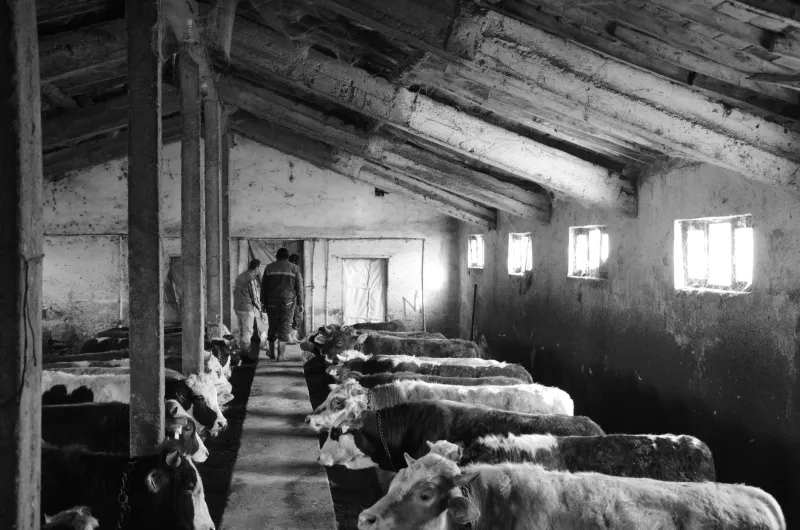
Early American meal timing wasn't arbitrary. It followed the rhythms of agricultural work and natural light cycles that had governed human eating patterns for millennia. Farmers needed substantial fuel for the most physically demanding part of their day, which typically ran from early morning through mid-afternoon.
A typical 1800s American dinner, served around noon or 1 PM, might include roasted meat, potatoes, vegetables, bread, and pie — easily 1,000 calories or more. This wasn't indulgence; it was practical nutrition for people who would spend the afternoon doing heavy physical labor without electric lighting to extend their workday.
Supper, by contrast, was deliberately light. Families might share bread with butter, cold meat, pickles, and tea. The idea of eating a large meal before sleep struck most Americans as both wasteful and unhealthy.
The Industrial Reversal
The great meal flip began in the late 1800s as factory work replaced farming for growing numbers of Americans. Industrial schedules made midday dinner impractical for workers who couldn't leave their machines for extended breaks. Factories instituted short lunch periods, forcing workers to eat quickly and lightly during the day.
Electric lighting completed the transformation. Once homes could be brightly lit after dark, families could gather for elaborate evening meals that would have been impossible by candlelight. By the 1920s, the dinner-at-evening pattern was becoming standard in American cities, though rural areas held onto the older schedule much longer.
Restaurant culture accelerated the change. Urban restaurants found they could make more money serving elaborate dinners to customers who had time to linger in the evening, rather than rushing to serve factory workers during brief lunch breaks.
What Your Body Actually Wants
Here's where the story gets interesting: modern chronobiology research suggests our ancestors got it right the first time. Human metabolism follows predictable daily rhythms that favor consuming larger meals earlier in the day.
Our bodies produce more digestive enzymes in the morning and afternoon. Insulin sensitivity — our ability to process carbohydrates efficiently — peaks around midday and drops significantly in the evening. Core body temperature, which affects how efficiently we burn calories, follows a similar pattern.
Dr. Satchin Panda, a leading researcher in circadian metabolism at the Salk Institute, has found that people who eat their largest meals earlier in the day tend to have better blood sugar control, more stable energy levels, and improved sleep quality compared to those following typical American evening-heavy eating patterns.
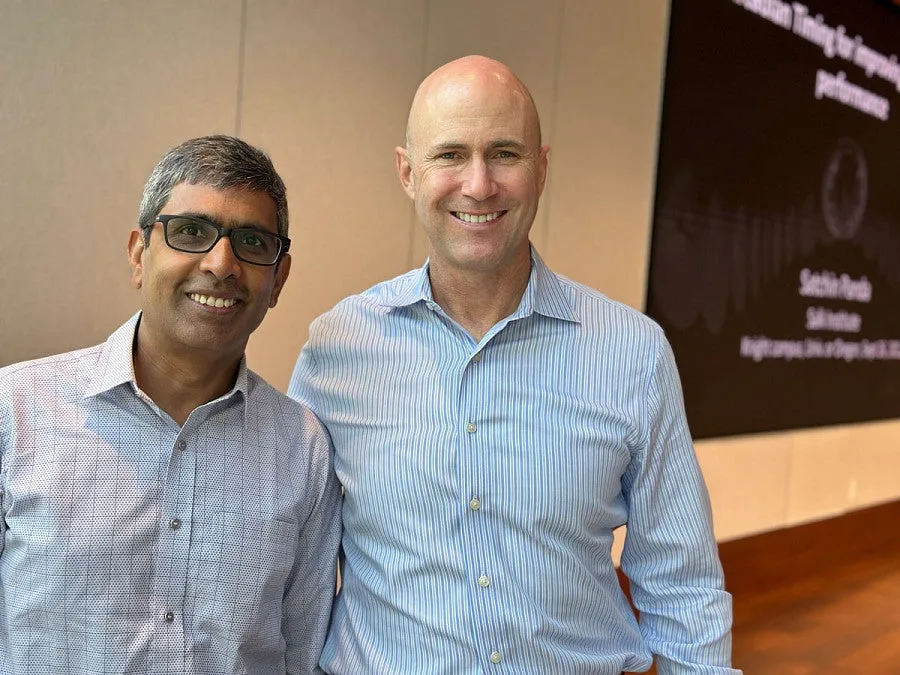 Photo: Dr. Satchin Panda, via knightcampus.uoregon.edu
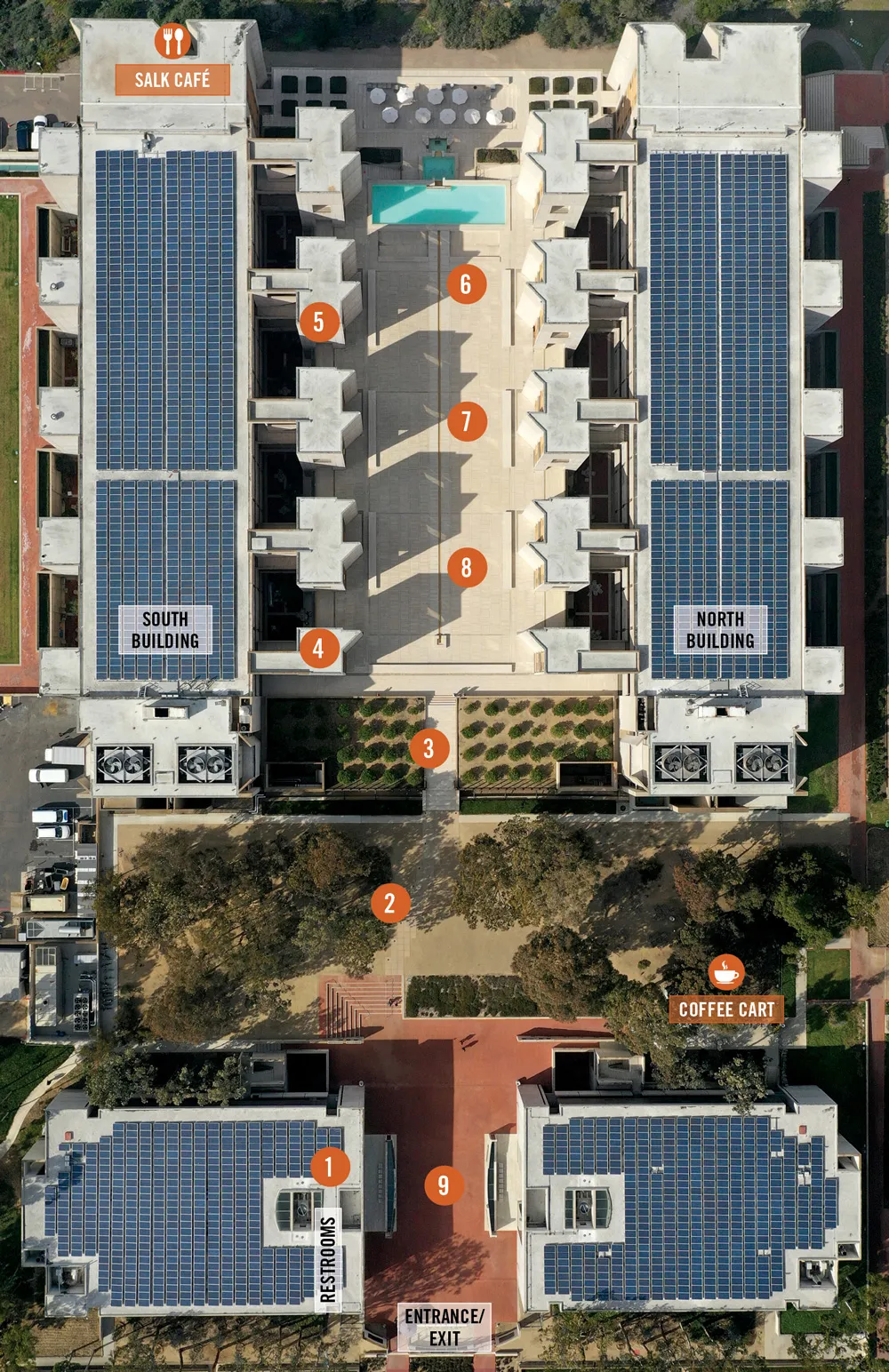 Photo: Salk Institute, via www.salk.edu
The Quiet Revolution
A growing number of nutritionists and wellness practitioners are quietly advocating for a return to earlier American eating patterns, though they rarely frame it in historical terms. The practice goes by various names — "reverse dieting," "circadian eating," or "breakfast like a king" protocols — but the basic principle is the same: eat more during daylight hours, less after dark.
Some Silicon Valley executives have adopted "warrior schedules" that echo 19th-century American patterns: substantial breakfast, large lunch, minimal dinner. Athletes and fitness enthusiasts are experimenting with "metabolic timing" that prioritizes carbohydrates and larger portions earlier in the day.
Even mainstream health organizations are beginning to acknowledge the research. The American Heart Association's latest dietary guidelines suggest that when you eat might be as important as what you eat, though they stop short of explicitly recommending a return to historical American meal timing.
 Photo: American Heart Association, via 1000logos.net
How the Old Schedule Actually Worked
Reconstructing historical American meal patterns from diaries and household accounts reveals eating schedules that would seem radical today. A typical 1850s family might eat:
Breakfast (6-7 AM): Substantial but simple — eggs, bacon, bread, butter, coffee Dinner (12-1 PM): The day's largest meal — meat, potatoes, vegetables, bread, often dessert Supper (6-7 PM): Light and cold — bread, cheese, cold meat, pickles, tea
Total daily calories were roughly the same as modern Americans consume, but the distribution was completely reversed. The largest meal happened when the body was most prepared to digest and utilize nutrients efficiently.
Modern Obstacles, Ancient Wisdom
Returning to historical American meal timing isn't simple in a culture built around evening dining. Social customs, work schedules, and family logistics all favor the modern pattern. Most restaurants don't even serve substantial meals at lunchtime, and suggesting that friends meet for "dinner" at noon violates every contemporary social norm.
But some Americans are finding creative ways to adapt historical patterns to modern life. They eat their largest meal at lunch when possible, choose lighter options for business dinners, and experiment with substantial late-morning meals on weekends.
The science suggests that even small moves toward earlier eating — having lunch be larger than dinner, or eating substantial breakfasts — can provide metabolic benefits that our ancestors took for granted.
The Schedule We Forgot
American meal timing represents one of the most dramatic cultural changes in our history, yet it happened so gradually that most people don't realize it occurred at all. We assume that eating our largest meal in the evening is natural and traditional, when in fact it's a recent adaptation to industrial life.
Our ancestors weren't nutritionists, but they lived in sync with biological rhythms that modern research is only beginning to understand. They ate when their bodies were most prepared to digest food efficiently, and they stopped eating when darkness signaled time for rest and repair.
Whether Americans will ever return to historical meal timing remains to be seen. But understanding that our current patterns aren't traditional — and that alternatives exist with deep roots in American culture — opens up possibilities that most people never consider. Sometimes the most radical thing you can do is eat like your great-great-grandmother.