Sleep Where the Ships Pass: The Secret World of Lighthouse Lodging That Still Exists
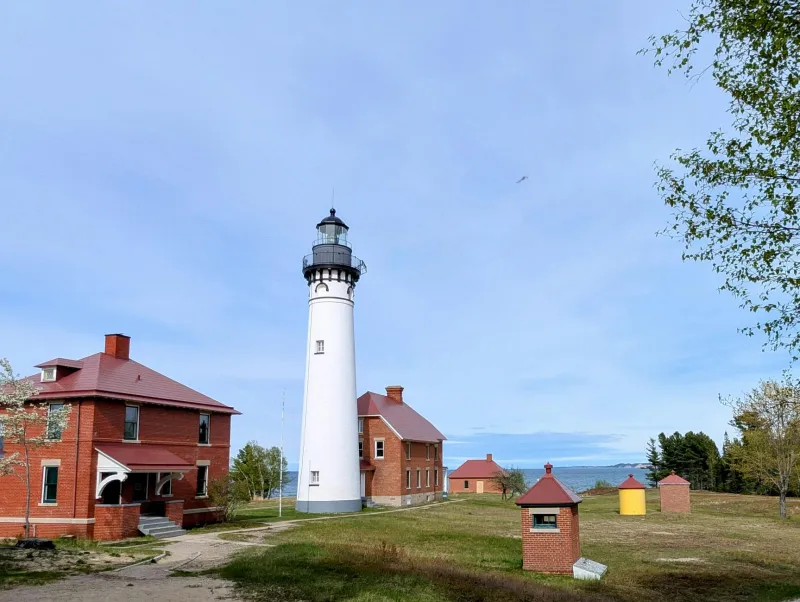
America's Most Exclusive Hotel Chain Never Advertised
Picture this: you're lying in bed, listening to waves crash against rocks fifty feet below while a lighthouse beam sweeps across your window every thirty seconds. This isn't a luxury resort experience — it's how thousands of Americans once spent their nights when lighthouse keepers routinely rented spare quarters to anyone willing to climb a few dozen stairs for a room with a view.
From the 1850s through the 1970s, lighthouse stations across America operated an informal lodging network that predated Airbnb by more than a century. Lighthouse keepers, often isolated for months at a time, welcomed the extra income and human contact that overnight guests provided. For travelers, these accommodations offered something no hotel could match: absolute solitude, unobstructed ocean views, and rates that even Depression-era budgets could handle.
The Original Remote Work Setup
Lighthouse keeper families lived in surprisingly spacious quarters. Most lighthouse stations included multi-room keeper's houses designed to accommodate not just the keeper's family, but assistant keepers and their families too. When automation reduced staffing needs, these extra rooms became perfect guest accommodations.
The arrangement worked beautifully for everyone involved. Keepers earned supplemental income during tourist seasons, while guests experienced something genuinely unique. Artists and writers particularly loved lighthouse lodging — the combination of dramatic scenery, complete quiet, and minimal distractions proved irresistible for creative work.
Rachel Carson wrote portions of "The Sea Around Us" while staying at lighthouse stations along the Maine coast. She paid fifty cents per night for a room that included meals and access to the keeper's extensive library of maritime books.
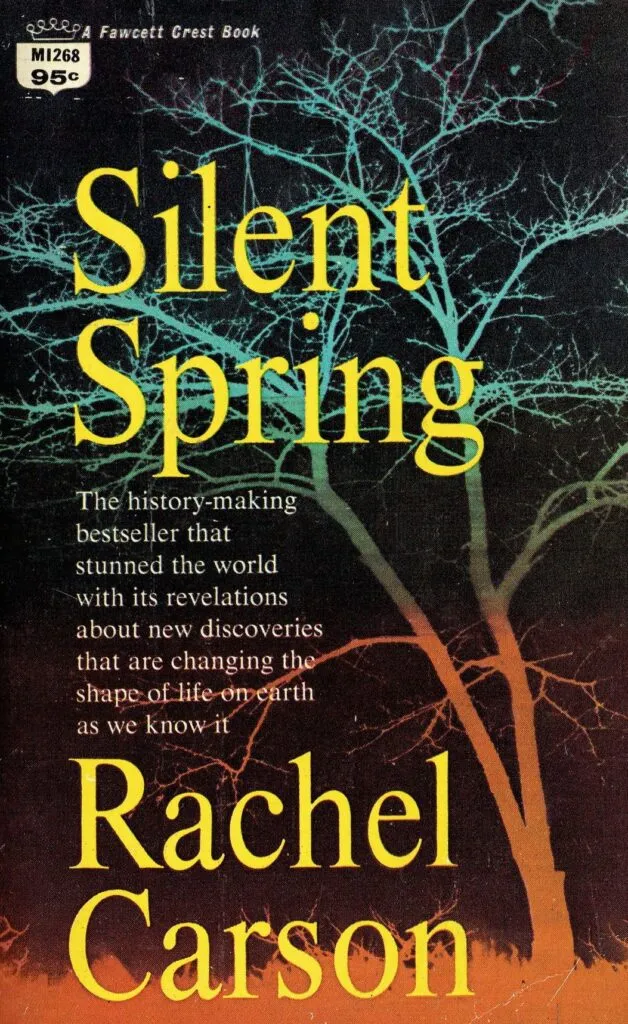 Photo: Rachel Carson, via www.sciencehistory.org
Rules of the Light
Lighthouse lodging came with unique house rules. Guests couldn't interfere with lighthouse operations, which meant respecting the keeper's schedule and staying clear of the light mechanism. Most keepers required guests to help with daily chores — hauling water, splitting wood, or maintaining the station's vegetable garden.
The isolation meant that guests had to bring their own entertainment and be prepared for extended periods without outside contact. Some lighthouse stations were accessible only by boat, and rough weather could extend planned overnight stays into week-long adventures.
Despite these constraints, lighthouse lodging developed a devoted following. Regular guests would book the same rooms year after year, sometimes decades in advance. Some lighthouse stations kept waiting lists that stretched three years into the future.
Where the Light Still Shines for Guests
While most lighthouse stations stopped accepting guests when the Coast Guard automated their operations, a surprising number still offer overnight accommodations. These surviving lighthouse lodgings represent some of America's most unique travel experiences.
The East Brother Light Station in San Francisco Bay operates as a bed-and-breakfast, offering four guest rooms in the original keeper's quarters. Guests arrive by boat and enjoy gourmet meals prepared in the lighthouse kitchen. The experience includes a sunset tour of the lighthouse mechanism and morning coffee while watching San Francisco wake up across the bay.
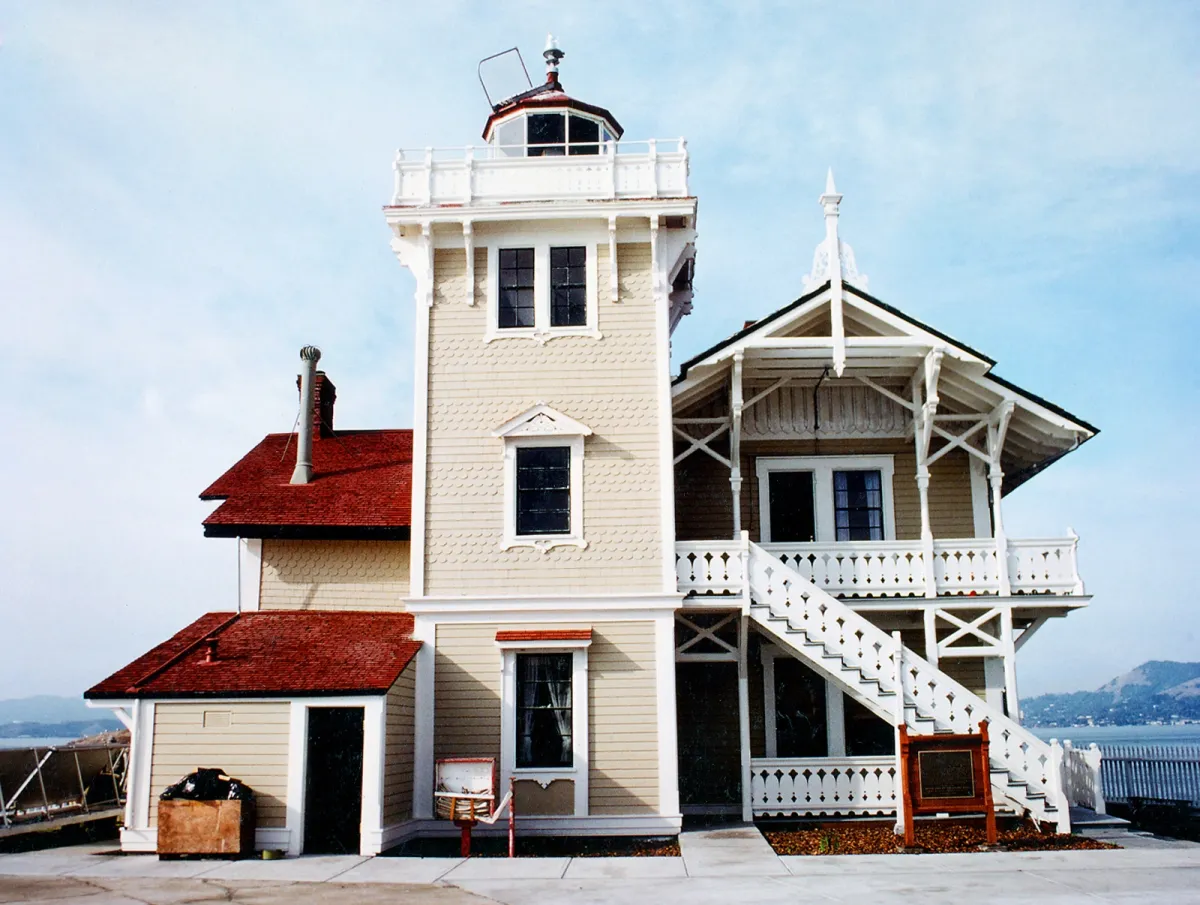 Photo: East Brother Light Station, via www.uniqhotels.com
Maine's Pemaquid Point Lighthouse rents the assistant keeper's house as a vacation rental. The two-bedroom cottage sits just yards from one of New England's most photographed lighthouses, offering guests front-row seats to spectacular sunrises and the chance to watch lobster boats work the waters below.
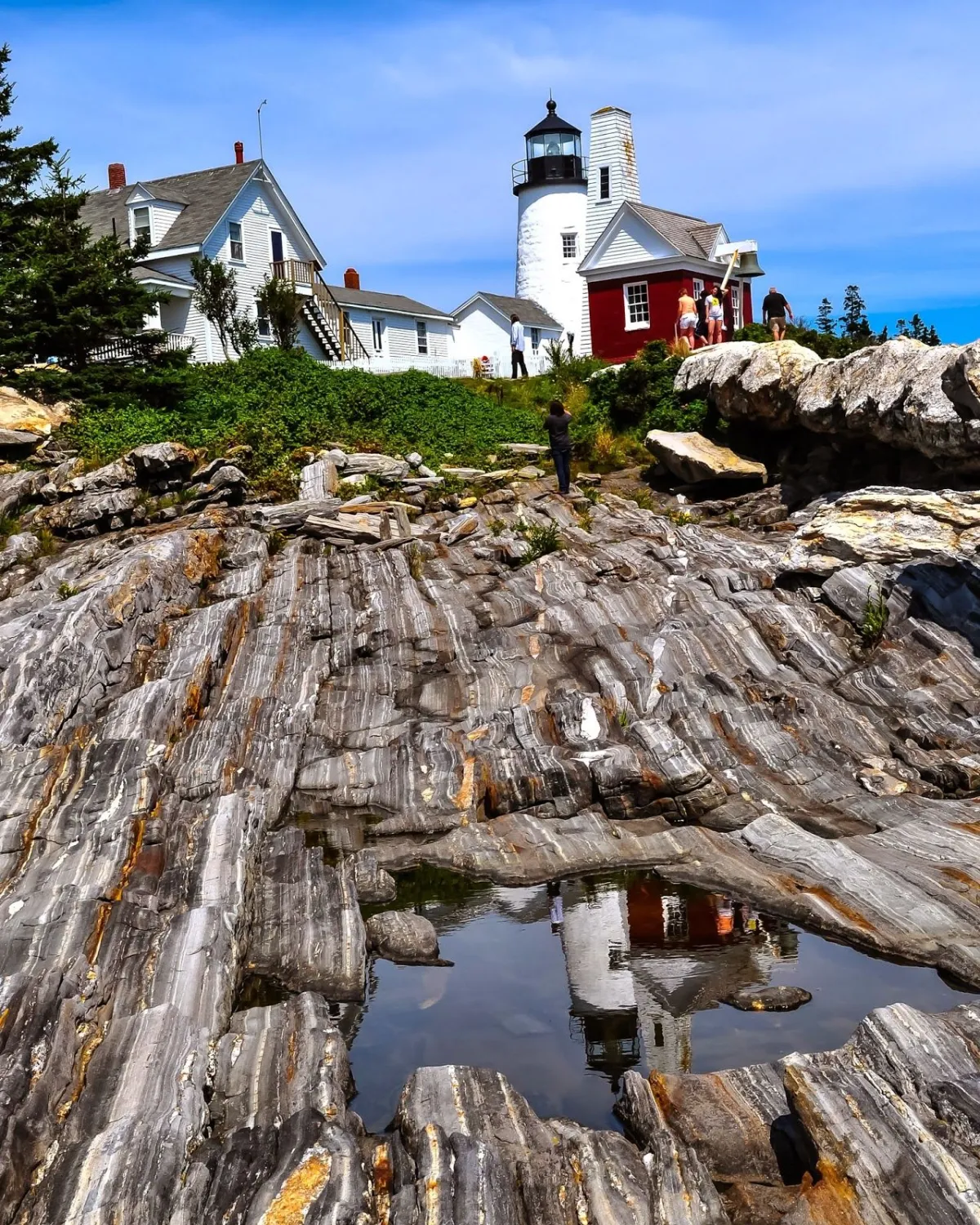 Photo: Pemaquid Point Lighthouse, via i.pinimg.com
In Michigan, the Big Bay Point Lighthouse operates as a full-service inn. The original keeper's quarters have been converted into seven guest rooms, each with period furnishings and stunning Lake Superior views. Guests can climb the lighthouse tower, explore miles of undeveloped shoreline, and experience the profound quiet that once defined lighthouse life.
The Economics of Solitude
What makes lighthouse lodging particularly appealing today is the value. While luxury resorts charge hundreds of dollars for ocean views, lighthouse accommodations typically cost between $150-300 per night. Some lighthouse vacation rentals sleep up to eight people, making them incredibly affordable for families or groups seeking unique experiences.
The trade-off is comfort and convenience. Lighthouse lodging rarely includes modern amenities like televisions, room service, or concierge services. What you get instead is something increasingly rare: genuine solitude, unfiltered nature, and the chance to experience America's maritime heritage firsthand.
Booking Your Light
Finding available lighthouse lodging requires patience and planning. Most lighthouse accommodations book solid during summer months, often a year in advance. The best strategy is to plan for shoulder seasons — late fall and early spring offer lower rates, smaller crowds, and dramatic weather that many guests find even more appealing than perfect summer conditions.
Several lighthouse preservation societies maintain lists of lighthouse lodging options. The American Lighthouse Foundation's website includes a regularly updated directory of lighthouse accommodations across all coastal states. Some lighthouse lodgings require advance deposits and have strict cancellation policies due to their remote locations and limited availability.
The Night Watch Continues
Staying in a lighthouse connects guests to a uniquely American tradition of maritime hospitality. For over a century, lighthouse keepers served as unofficial innkeepers, sharing their extraordinary workplace with travelers seeking something beyond ordinary hotel experiences.
Today's lighthouse lodging preserves that tradition while offering modern travelers access to some of America's most spectacular and isolated locations. Whether you're seeking creative inspiration, family adventure, or simply a break from digital connectivity, lighthouse accommodations provide experiences that no conventional hotel can match.
The next time you're planning a getaway, consider spending a night where ships once looked for safe harbor. You might discover that the best views in America have been hiding in plain sight all along, waiting for travelers willing to climb a few extra stairs for the privilege of sleeping where the lighthouse beam still sweeps the sea.