Rolling Stores and Traveling Merchants: The Mobile Grocery Empire That Fed Rural America
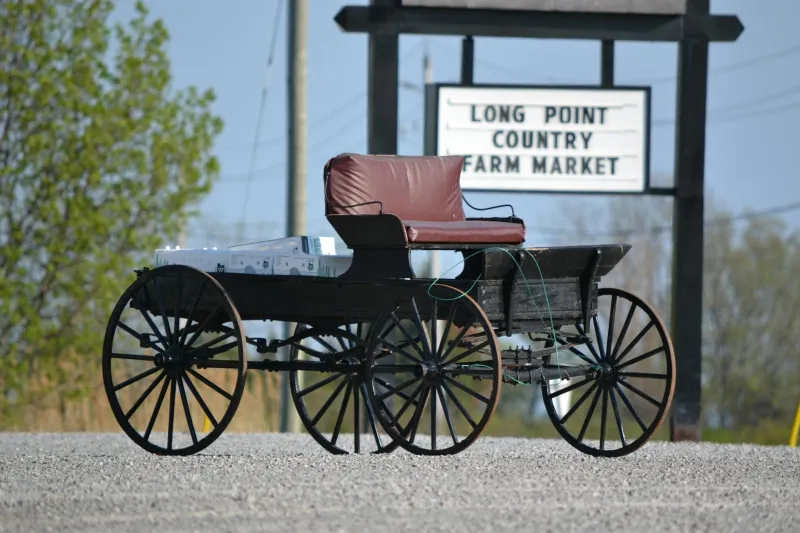
Long before anyone dreamed of ordering groceries with a smartphone app, the clip-clop of horse hooves and the jingle of harness bells announced the arrival of something just as convenient: the traveling grocery wagon.
For nearly a century, from the 1850s through the 1940s, these mobile merchants formed the commercial backbone of rural America. They brought civilization to isolated farmsteads, extended credit to families between harvests, and maintained personal relationships that modern retail giants can only dream of replicating.
The Wagon Train Economy
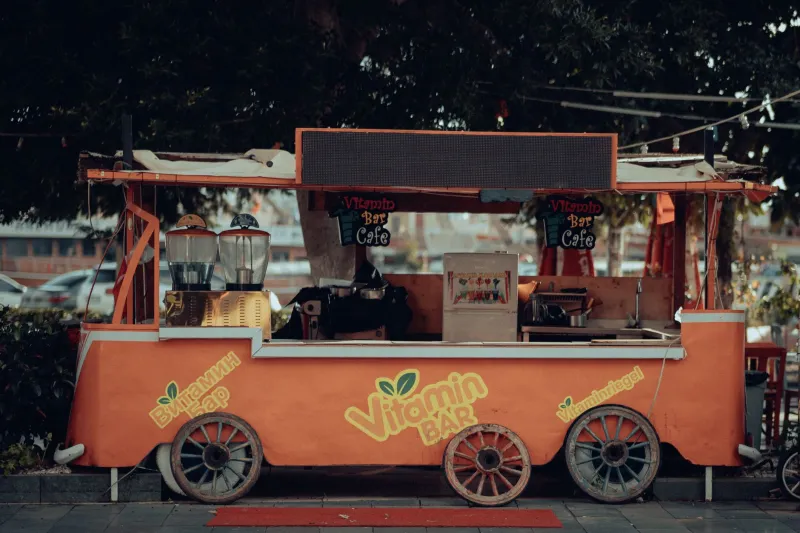
Imagine your entire shopping experience condensed into a wagon the size of a modern food truck. These rolling general stores carried an astounding variety of goods: flour and sugar in large barrels, bolts of fabric, patent medicines, coffee beans, nails, thread, soap, and even small luxury items like ribbons and candy for the children.
The most successful wagon operators understood their territory with scientific precision. They knew exactly when Mrs. Thompson would need more flour for her weekly bread baking, when the Johnson farm would run low on coffee, and which families preferred which brands of soap. Routes were planned months in advance, with regular stops scheduled like clockwork.
Customers could count on their merchant appearing every Tuesday afternoon or every other Thursday morning. This reliability wasn't just convenient — it was essential for families who might live twenty miles from the nearest town and couldn't afford to make frequent trips for supplies.
Credit, Trust, and Handshake Deals
Perhaps the most remarkable aspect of the traveling merchant system was its sophisticated credit network. These weren't cash-and-carry operations. Merchants extended credit for months at a time, often accepting payment in produce, livestock, or labor instead of money.
A typical transaction might involve trading a bolt of fabric for three dozen eggs, a bag of flour, and a promise to help with the merchant's own hay harvest. Account books from surviving operations reveal intricate webs of debt, credit, and barter that would make modern accountants dizzy.
Trust formed the foundation of these relationships. A merchant's reputation could make or break his business across hundreds of square miles. Customers who felt cheated would spread word quickly through rural communities, while honest dealers earned loyalty that lasted generations. Some families maintained relationships with the same traveling merchant families for decades.
The Motor Age Revolution
The introduction of motorized vehicles around 1910 transformed the traveling merchant business almost overnight. Trucks could carry larger inventories, cover greater distances, and maintain more reliable schedules than horse-drawn wagons. Some operators made the transition successfully, while others clung to traditional methods and gradually lost customers.
Motorized grocery trucks introduced new possibilities: ice cream in summer, fresh produce from distant markets, and specialty items that would have been impossible to transport by wagon. The famous Watkins Company, which sold spices and household products door-to-door, built a fleet of distinctive trucks that became familiar sights across rural America.
 Photo: Watkins Company, via d2q79iu7y748jz.cloudfront.net
But mechanization also marked the beginning of the end. As roads improved and automobiles became affordable for farm families, the isolation that made traveling merchants essential began to disappear. Families could drive to town for shopping trips, and permanent stores offered greater selection and often better prices.
The Survivors
While most traveling merchant operations disappeared by the 1950s, a surprising number never fully vanished. In remote areas of Alaska, traveling stores still serve communities accessible only by boat or small plane. Some Amish communities maintain horse-drawn delivery routes that operate much as they did 150 years ago.
Schwan's, the frozen food delivery company, represents perhaps the most successful modern descendant of the traveling merchant tradition. Their distinctive yellow trucks still follow regular routes, maintaining personal relationships with customers and extending informal credit arrangements.
In recent years, mobile grocery services have experienced an unexpected renaissance. Food trucks serving remote construction sites, mobile markets bringing fresh produce to urban food deserts, and specialized delivery services for rural areas all echo the traveling merchant model.
Lessons from the Road
The traveling merchant system offers insights that modern retailers are only beginning to rediscover. These operators understood that convenience wasn't just about product availability — it was about relationship, trust, and understanding individual customer needs.
They practiced what we now call "customer relationship management" decades before the term was invented. Every successful traveling merchant kept detailed mental notes about customer preferences, family situations, and payment patterns. They knew which families preferred their coffee strong, who had dietary restrictions, and which children had birthdays coming up.
Perhaps most importantly, traveling merchants understood the value of consistency and reliability. In an uncertain world of crop failures, harsh weather, and economic instability, the regular appearance of the grocery wagon provided stability and connection to the broader commercial world.
The Personal Touch
Modern grocery delivery services focus on speed and efficiency, but traveling merchants offered something more valuable: genuine human connection. They brought news from other farms, gossip from town, and a friendly face to families who might not see other adults for weeks at a time.
Children would wait excitedly for the merchant's arrival, knowing he might have penny candy or small toys. Adults valued the opportunity to discuss crop prices, weather predictions, and local politics with someone who traveled widely and heard news from across the region.
These interactions weren't just social pleasantries — they were essential information networks that kept rural communities connected before radio, television, or telephone service reached remote areas.
While we can't return to the era of horse-drawn grocery wagons, the traveling merchant tradition reminds us that commerce at its best involves more than mere transactions. It's about building relationships, serving communities, and understanding that sometimes the most valuable thing you can deliver isn't a product — it's connection.