America's First Same-Day Delivery Empire Was Run by Teenagers on Bicycles
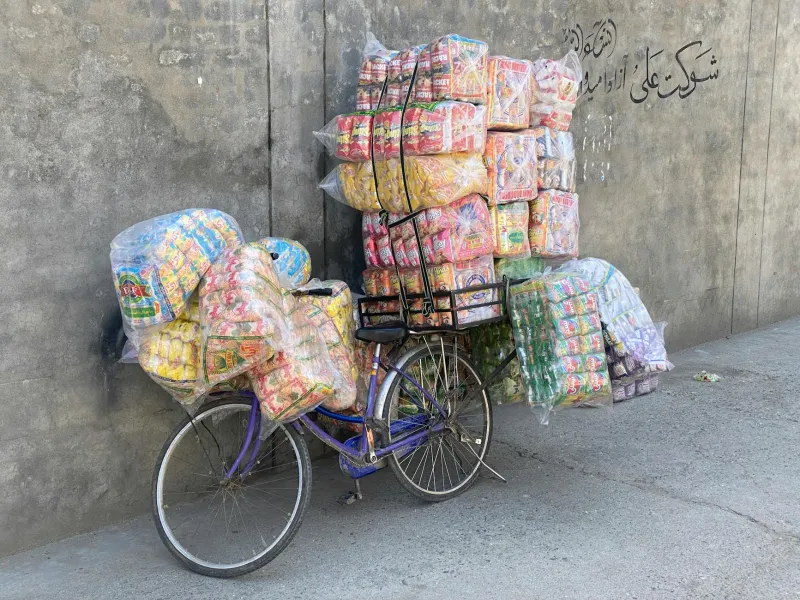
The Original Delivery Revolution
While tech executives debate the future of same-day delivery, they're reinventing something that worked perfectly for nearly a century. From the 1880s through the 1960s, millions of American families never set foot in a grocery store — because groceries came to them.
This wasn't some luxury service for the wealthy. It was how most middle-class Americans shopped, supported by an intricate network of traveling merchants, neighborhood grocers, and delivery boys who could navigate any city block blindfolded.
The Wagon Men Who Started It All
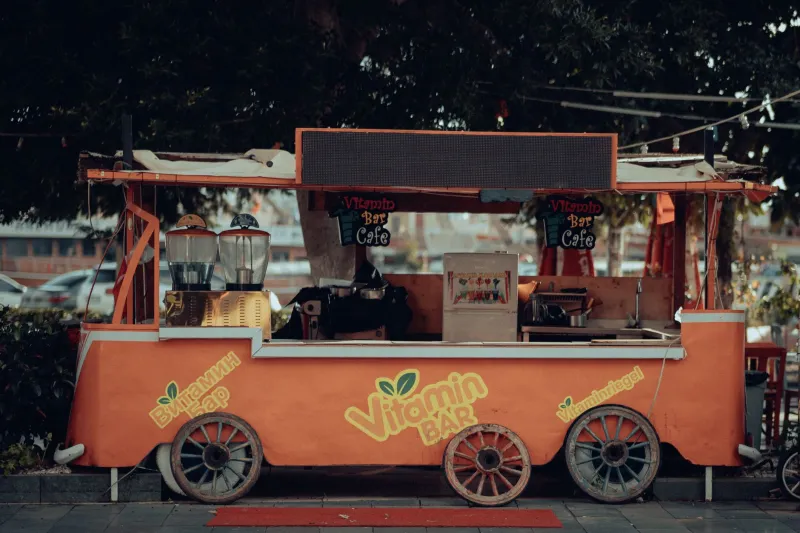
Before refrigeration changed everything, traveling merchants in horse-drawn wagons served as mobile grocery stores. These weren't random peddlers — they were sophisticated businessmen who understood logistics better than most modern supply chain experts.
The "huckster" wagons, as they were known, followed precise routes through residential neighborhoods. Each merchant specialized in specific products: the bread man, the milk man, the ice man, the vegetable man. They knew exactly when Mrs. Johnson needed her weekly butter delivery and which families preferred their milk bottles left on the back porch versus the front step.
What made this system remarkable was its efficiency. A single wagon could serve 50-100 households in a morning, carrying exactly what customers had pre-ordered plus a small selection of impulse purchases. No wasted inventory, no overstock, no complex warehousing.
The Neighborhood Grocery Revolution
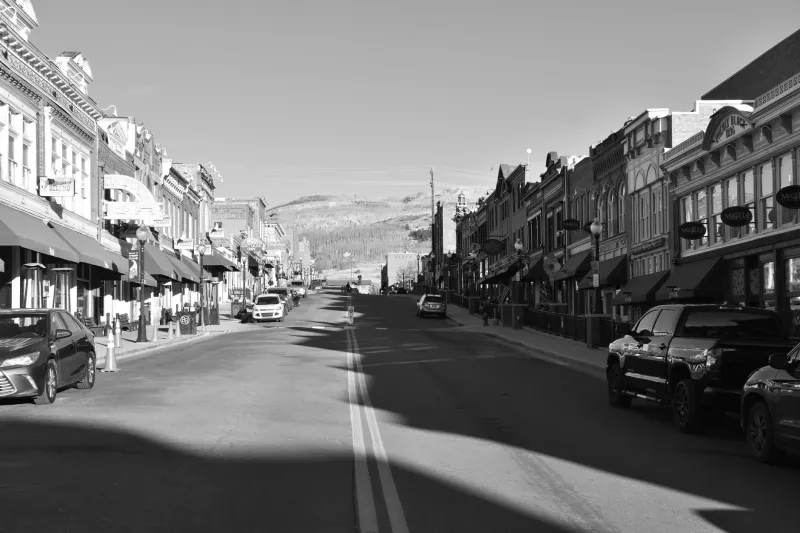
By the 1920s, corner grocery stores had evolved this model into something even more sophisticated. Small neighborhood grocers offered daily delivery service within a few-block radius, often employing local teenagers who knew every family's preferences.
These delivery boys — and they were almost always boys — developed an encyclopedic knowledge of their routes. They knew which households needed groceries delivered to the back door because grandmother couldn't climb the front steps. They remembered that the Miller family always needed extra milk on Sundays for their big family breakfasts.
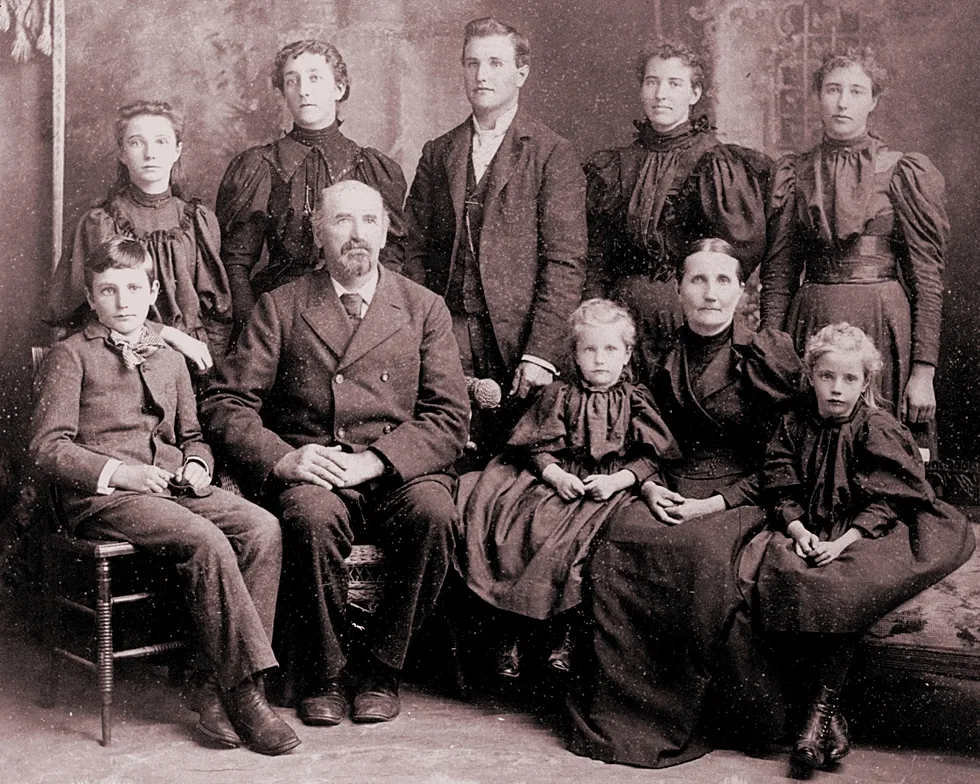 Photo: Miller family, via frontierfamilies.net
The system was so efficient that many families placed standing orders. The grocer would automatically deliver a family's usual weekly groceries unless told otherwise. Imagine Amazon's subscription service, but with personal relationships and local knowledge that no algorithm could match.
The Science of the Personal Touch
What modern delivery services struggle to replicate is the human intelligence these systems relied on. Delivery boys didn't just drop packages — they were customer service representatives, inventory managers, and neighborhood intelligence networks rolled into one.
They noticed when elderly customers didn't answer the door and alerted family members. They adjusted delivery times based on work schedules and family routines. They even served as informal credit systems, allowing trusted customers to pay weekly or monthly rather than cash-on-delivery.
This wasn't just convenience — it was community infrastructure. The delivery network connected isolated households to the broader neighborhood economy and social fabric.
Why It All Disappeared
The decline wasn't gradual — it was swift and decisive. Post-World War II suburban development, widespread car ownership, and the rise of supermarkets created a perfect storm that dismantled this delivery ecosystem almost overnight.
Supermarkets offered lower prices through volume purchasing and self-service efficiency. Cars gave families the mobility to shop anywhere. Suburban sprawl made delivery routes less economical. By the 1960s, the dense neighborhood networks that supported delivery had largely evaporated.
But the real killer was cultural. Shopping became recreation. Families enjoyed the experience of wandering supermarket aisles, comparing products, and making impulse purchases. The convenience of delivery seemed less appealing when shopping itself became a leisure activity.
What Today's Delivery Services Borrowed
Modern grocery delivery services have quietly adopted many techniques from this forgotten era, though few acknowledge the connection. Subscription models, route optimization, customer preference tracking, and even the emphasis on speed and reliability all echo the systems that neighborhood grocers perfected decades ago.
The main difference is scale and technology. Where delivery boys relied on personal memory and handwritten notes, today's services use algorithms and data analytics. Where horse-drawn wagons followed predictable neighborhood routes, modern delivery uses GPS optimization and real-time tracking.
The Human Element We Lost
What no app can replicate is the social intelligence that made the old system work. Those delivery boys weren't just fulfilling orders — they were maintaining relationships. They provided a human connection that many isolated families, especially elderly ones, depended on for more than just groceries.
In an era when loneliness has become a public health crisis, perhaps the most valuable thing we lost wasn't the convenience of delivery, but the daily human interaction it provided. The teenager on a bicycle who knew your name, remembered your preferences, and checked on your wellbeing wasn't just delivering groceries — he was delivering community.
The next time you tap "order now" on your phone, remember that you're participating in a tradition that's over 140 years old. The technology has changed, but the fundamental human desire for convenience and connection remains exactly the same.