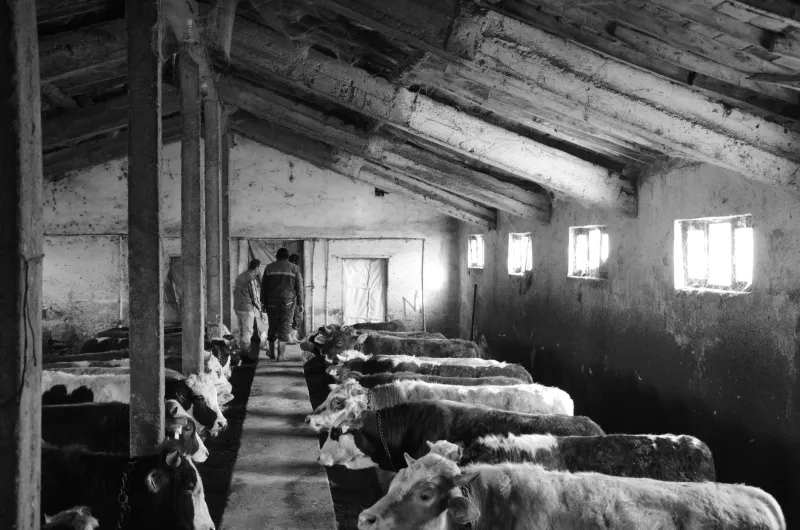
Sleeping with Strangers and Paying by the Story: The Bizarre Rules of America's First Hotels

Sleeping with Strangers and Paying by the Story: The Bizarre Rules of America's First Hotels
Imagine checking into a hotel where you're assigned a bed partner you've never met, served whatever the innkeeper decides to cook, and charged based on how entertaining your dinner conversation was. Welcome to the hospitality industry of colonial America, where the customs would make modern travelers flee in horror — yet somehow created a social fabric that many communities still miss today.
The Great Bed Lottery
In 18th and early 19th century America, privacy was a luxury that simply didn't exist in public accommodations. Travelers routinely shared beds with complete strangers, and innkeepers made these arrangements with all the casual efficiency of a modern hotel desk clerk assigning rooms.
The system wasn't random chaos. Experienced innkeepers developed sophisticated bed-pairing strategies based on social class, apparent cleanliness, and traveling purpose. Merchants might be paired with other merchants, while laborers shared space with their peers. Women travelers, though rare, received priority for private accommodations or shared space only with other women.
What seems appalling today actually served important social functions. Shared sleeping arrangements created instant traveling companions and informal networks of mutual protection. Solo travelers gained temporary allies, and business relationships often began between bedmates who discovered common interests or complementary trades.
The Democracy of the Dinner Table
Colonial inns operated on a communal dining model that would bewilder modern restaurant-goers. There were no menus, no ordering, and certainly no customization. The innkeeper's wife prepared a single meal for everyone, served family-style at long communal tables where strangers sat elbow-to-elbow.
You ate what appeared, when it appeared, or you went hungry. Meals typically consisted of whatever local ingredients were available — stewed meats, root vegetables, cornbread, and ale or cider. Dietary restrictions were personal problems, not hospitality concerns.
Yet this system created unexpected social benefits. The communal dining forced interaction between travelers from different backgrounds, creating a democratic space where merchants, farmers, craftsmen, and occasional gentry shared both food and conversation. Information flowed freely across these tables — news, business opportunities, warnings about road conditions, and local gossip.
Paying for Personality
Perhaps the strangest aspect of colonial inn culture was the pricing system. While basic accommodation had standard rates, your final bill often depended on intangible factors like your entertainment value, social standing, and contribution to the evening's atmosphere.
Innkeepers charged premium rates for guests who monopolized conversation, complained about accommodations, or failed to participate in the social life of the establishment. Conversely, travelers who told good stories, shared news from distant places, or contributed to communal entertainment often received discounted rates.
This wasn't arbitrary pricing — it was economic incentive for social behavior that benefited everyone. A skilled storyteller or musician might earn free lodging by providing entertainment that enhanced the experience for all guests. The system encouraged travelers to become active participants in temporary communities rather than passive consumers of services.
The Survival of Strange Customs
Most of these colonial hospitality customs vanished as America developed modern hotel infrastructure, but a few eccentric traditions survived in unexpected places. Today, a handful of establishments still operate under modified versions of these old rules.
The Publick House in Sturbridge, Massachusetts, maintains communal dining traditions where guests share tables with strangers and eat from a limited, seasonally-determined menu. While private rooms are available, the establishment encourages social interaction through shared spaces and group activities that echo colonial inn culture.
 Photo: Sturbridge, Massachusetts, via c8.alamy.com
Several bed-and-breakfasts throughout New England preserve the tradition of communal breakfast tables where guests must interact with fellow travelers. Some hosts still adjust pricing based on guest behavior, offering discounts to visitors who contribute positively to the social atmosphere while charging premium rates for those who remain antisocial.
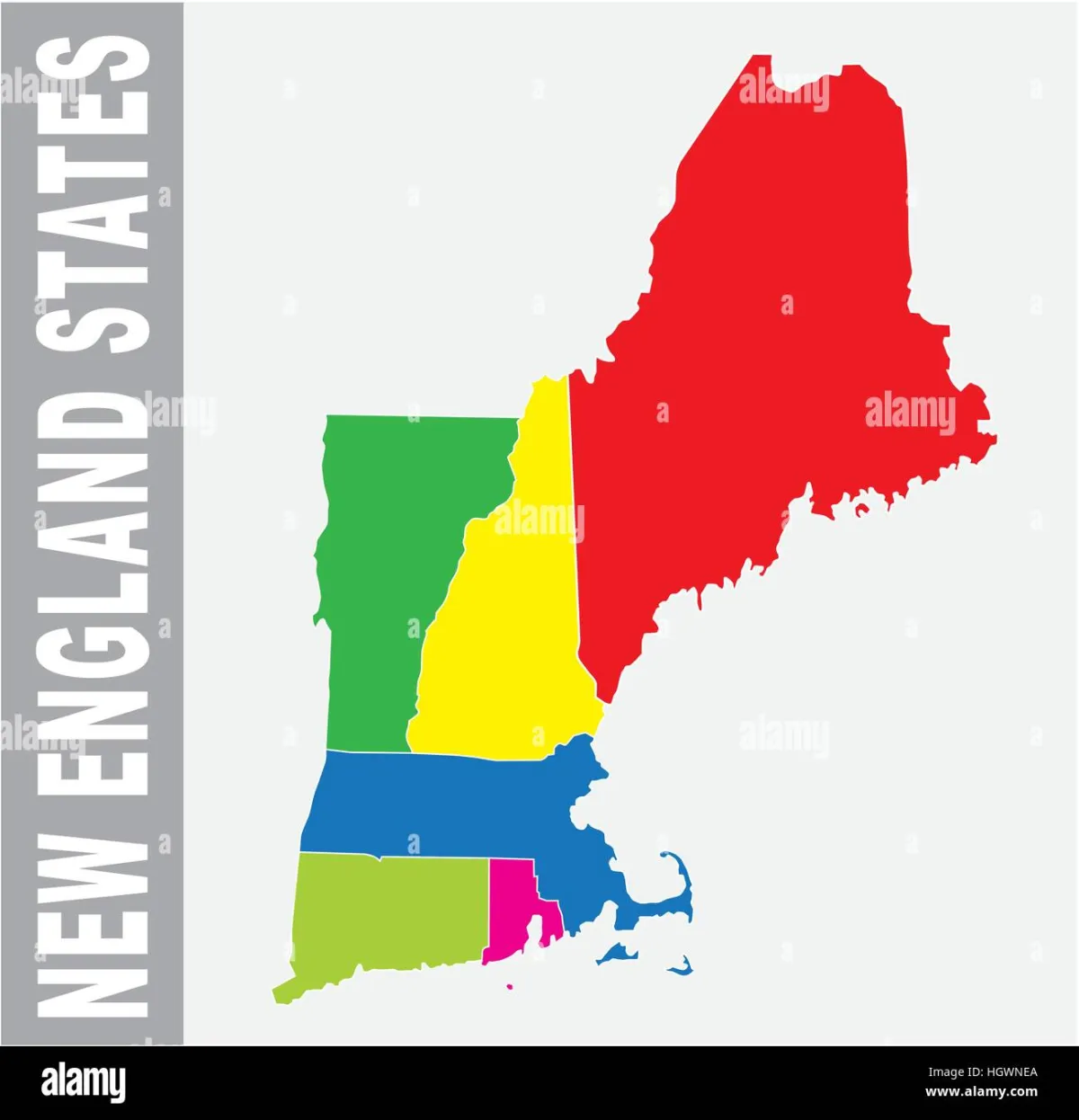 Photo: New England, via c8.alamy.com
The Wisdom Behind the Weirdness
These seemingly bizarre customs addressed real challenges of pre-industrial travel. Roads were dangerous, communication was limited, and travelers needed more than just shelter — they needed information, protection, and social connection.
Shared accommodations created informal security networks. Communal dining ensured that news and warnings spread quickly among travelers. The personality-based pricing system incentivized behavior that strengthened these temporary communities.
Modern research on social capital and community resilience suggests that colonial inns accidentally created optimal conditions for building trust and cooperation among strangers. The forced intimacy and shared experiences generated social bonds that often lasted long after travelers reached their destinations.
What We Lost in Translation
The evolution from colonial inns to modern hotels represents more than improved comfort and privacy — it reflects a fundamental shift in how Americans think about hospitality and community.
Colonial inns treated travelers as temporary family members who contributed to a collective experience. Modern hotels treat guests as customers purchasing private services. We gained comfort and convenience but lost the social infrastructure that turned every journey into an opportunity for human connection.
Some hospitality experts argue that this shift contributes to modern travel's increasing isolation and commodification. Business travelers check into identical hotel rooms in different cities, eat alone while staring at screens, and interact minimally with fellow humans throughout their journeys.
The Unexpected Modern Revival
Interestingly, elements of colonial inn culture are quietly returning through new hospitality models. Hostels bring back shared accommodations, though usually without the forced bed-sharing. Co-working and co-living spaces recreate communal environments where strangers become temporary communities.
Restaurants featuring communal tables and chef's choice menus echo the no-choice, shared dining of colonial inns. These establishments often charge premium prices for the authentic social experiences that colonial travelers got by default.
Lessons from the Tavern Floor
The bizarre customs of America's first hotels reveal something profound about human nature and community building. When comfort and privacy are scarce, people develop remarkable systems for creating safety, connection, and mutual benefit among strangers.
The next time you check into a sterile hotel room and eat alone while scrolling your phone, consider what those colonial travelers understood instinctively: sometimes the best part of a journey isn't reaching your destination, but the unexpected human connections you make along the way. They just happened to make those connections while sharing beds with strangers and paying their bills with good stories.