The Living Compass: How Tree Bark Reveals Nature's Hidden Navigation System
The Living Compass: How Tree Bark Reveals Nature's Hidden Navigation System
Next time you're hiking through a forest, take a closer look at the trees around you. What appears to be random bark patterns and moss growth is actually nature's own GPS system — one that guided countless Americans through uncharted wilderness long before satellites existed.
The Bark Tells All
Early American frontiersmen and Native guides developed an intricate understanding of how trees respond to their environment. The secret lies in recognizing that trees are living compasses, constantly recording environmental data in their growth patterns.
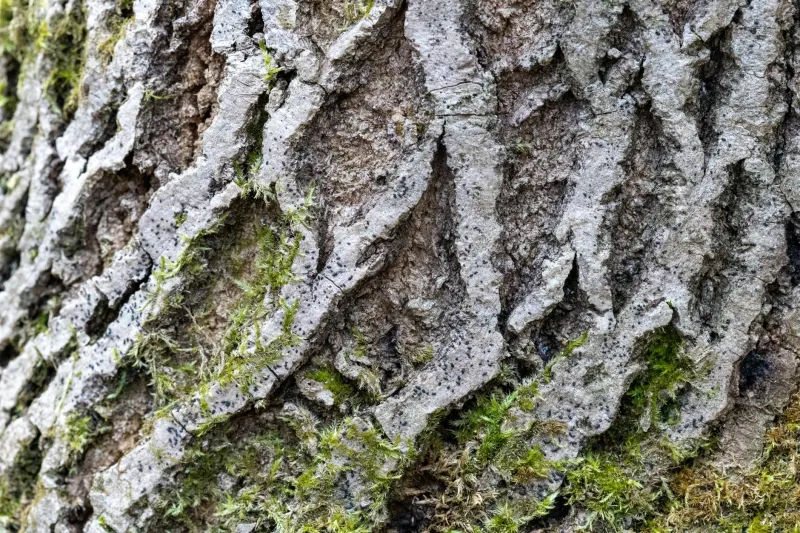
On the northern side of trees in the Northern Hemisphere, bark tends to be smoother and lighter in color. This happens because the north side receives less direct sunlight, creating cooler, more humid conditions. The south side, bombarded by intense afternoon sun, develops thicker, darker, more deeply furrowed bark as protection against heat and UV damage.
Moss provides another reliable indicator. Contrary to popular belief, moss doesn't always grow on the north side of trees. Instead, experienced navigators looked for the thickest, most vibrant moss growth, which typically appears where moisture lingers longest — usually the north and northwest sides in most American forests.
Reading the Forest's Body Language
Beyond bark and moss, trees communicate direction through their overall shape and branch patterns. Branches on the south side of a tree often grow longer and fuller, reaching toward the abundant sunlight. Meanwhile, the north side may appear more sparse and compact.
Wind patterns also sculpt trees into natural weather vanes. In areas with prevailing winds, trees develop a distinctive lean away from the wind direction. Experienced woodsmen could determine not just direction, but seasonal weather patterns by observing how wind had shaped entire groves over decades.
Snow patterns around tree bases provided additional clues. Snow typically melts faster on the south side due to increased sun exposure, creating telltale patterns that persist well into spring in northern climates.
The Science Behind the Wisdom
Modern research has validated many of these traditional techniques. Studies show that trees in the Northern Hemisphere do indeed develop measurably different bark characteristics based on sun exposure. Phototropism — the tendency of plants to grow toward light sources — creates the predictable branching patterns that early Americans learned to read.
Dendrologists have confirmed that annual ring growth varies significantly between the north and south sides of trees, with the south side typically showing wider growth rings due to increased photosynthesis from greater sun exposure.
Lost Knowledge in Plain Sight
What makes this navigation system remarkable is how it hides in plain sight. Every hiking trail in America is lined with these natural compasses, yet most modern hikers walk past them completely unaware of the directional information surrounding them.
The techniques require no equipment, work in any weather, and become more accurate with practice. Unlike GPS devices, trees never run out of battery power or lose signal in deep canyons.
Putting Ancient Wisdom to Modern Use
Survival experts and outdoor educators are quietly reviving these skills. Military training programs now include natural navigation techniques as backup systems when electronic equipment fails.
To start reading your own forest compass, begin by comparing bark texture and color on different sides of isolated trees in open areas, where sun exposure differences are most pronounced. Look for patterns across multiple trees rather than relying on a single specimen.
Practice in familiar areas first, then test your observations against a traditional compass. Most people discover they can determine general direction within 15-30 degrees of accuracy after just a few practice sessions.
The Wisdom We Left Behind
The decline of natural navigation skills represents more than just technological progress. Early Americans possessed an intimate relationship with their environment that modern life has largely abandoned. They understood that nature provides abundant information to those who know how to listen.
In our rush toward digital solutions, we've overlooked a navigation system that's been operating reliably for millions of years. The trees are still talking — we've simply forgotten how to hear them.
Next time you venture into the woods, try leaving the GPS behind for a short walk. Look up at the bark patterns, notice the moss distribution, observe how branches reach for light. You might discover that getting lost was never really the problem — we just stopped paying attention to the signs that were always there.