When Doctors Prescribed Mountain Water Instead of Medicine — America's Lost Healing Springs
When Doctors Prescribed Mountain Water Instead of Medicine — America's Lost Healing Springs
In 1885, a railroad executive suffering from chronic kidney problems didn't head to a hospital. Instead, his doctor handed him a train ticket to Saratoga Springs, New York, with specific instructions: drink three glasses of Congress Spring water daily, take the baths twice weekly, and stay for six weeks minimum.
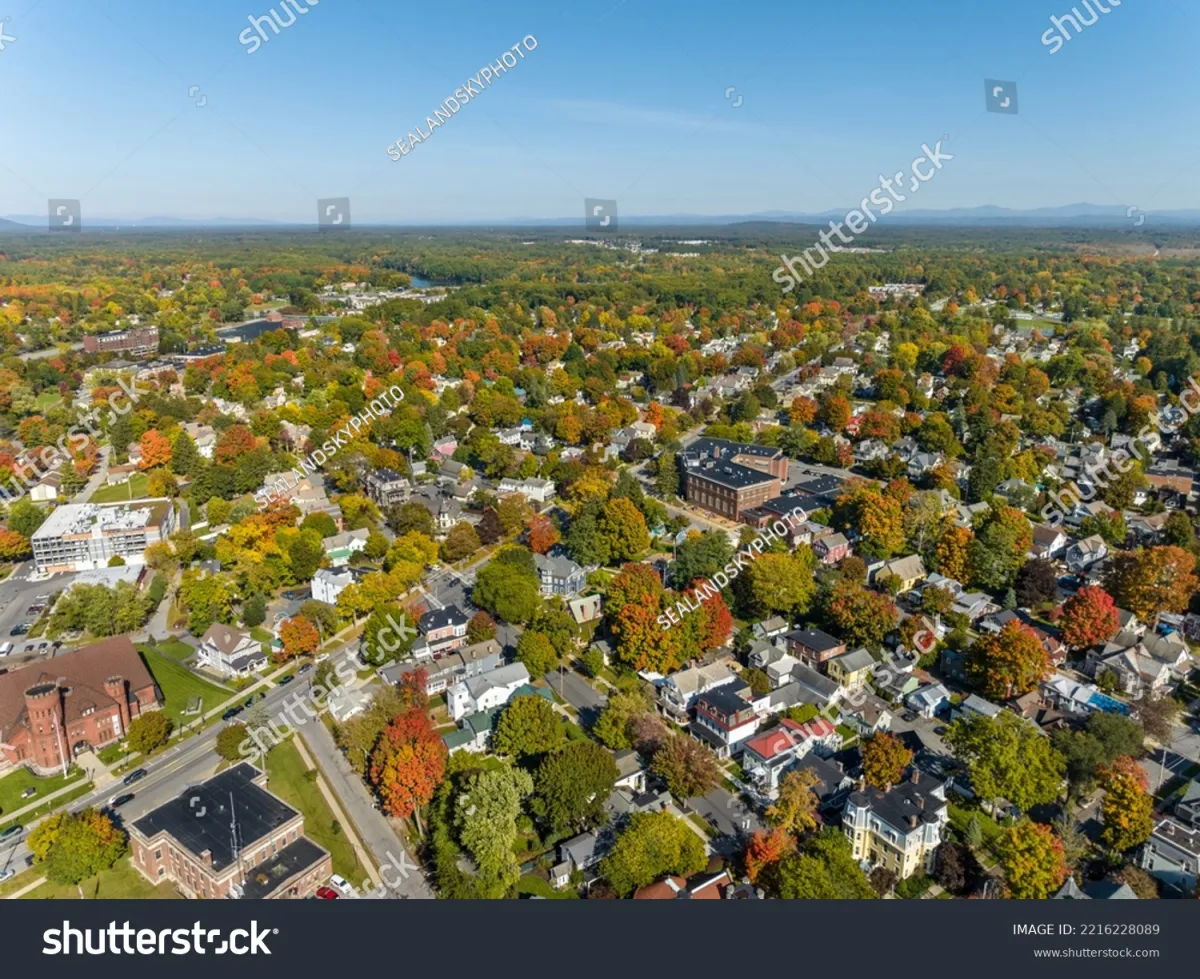 Photo: Saratoga Springs, New York, via www.shutterstock.com
This wasn't quackery — it was standard American medical practice.
The Water Cure That Built Towns
For nearly a century, from the 1820s through the 1920s, American physicians routinely prescribed mineral spring water for everything from digestive disorders to nervous conditions. These weren't casual recommendations. Doctors studied the mineral content of different springs, published detailed analyses of their therapeutic properties, and sent patients to specific locations based on their chemical composition.
The result? Entire resort towns sprouted around natural springs across America. Saratoga Springs became the "Queen of Spas." Hot Springs, Arkansas, grew so renowned that it became a national park. French Lick, Indiana, hosted presidents and millionaires who came for the lithium-rich water.
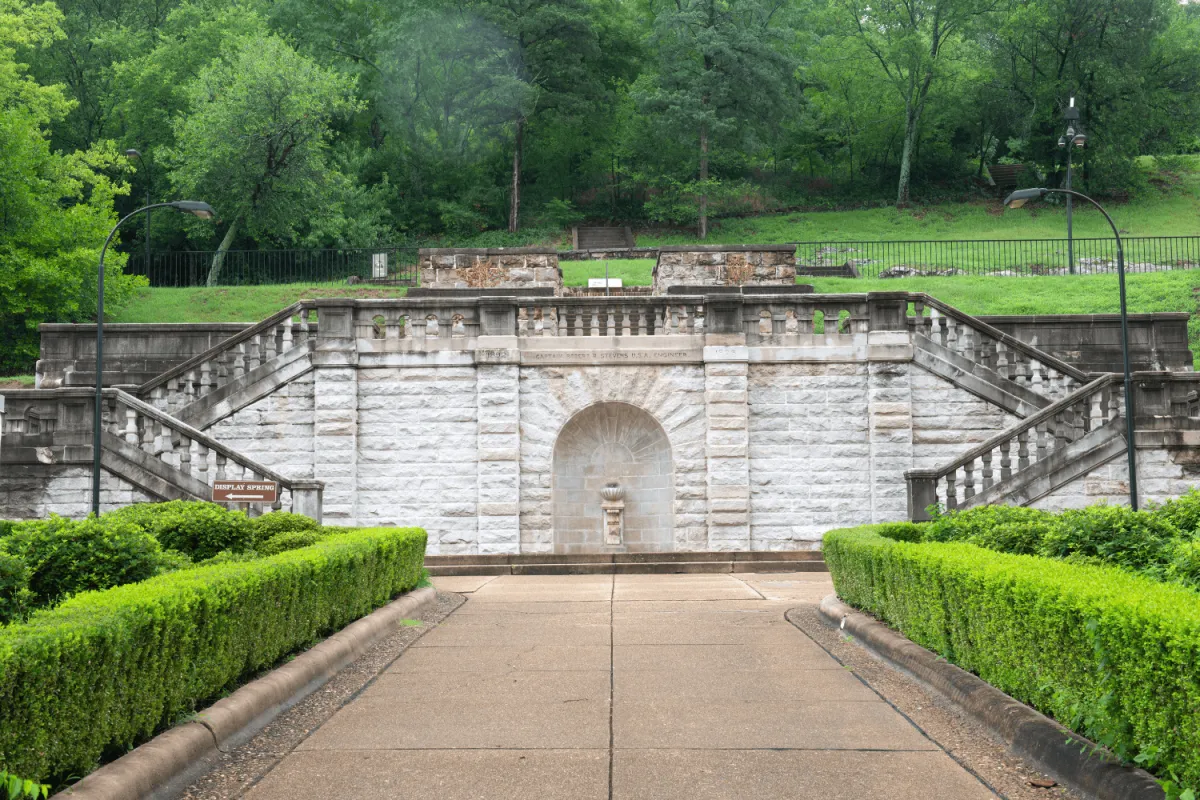 Photo: Hot Springs, Arkansas, via somewhereinarkansas.com
These weren't just fancy vacation spots. They were America's first specialized medical facilities, complete with resident physicians, regulated treatment schedules, and detailed patient records tracking recovery rates.
The Science Nobody Remembers
Here's what modern medicine forgot to mention: some of those water cures actually worked.
Recent research has validated several mineral spring treatments that American doctors prescribed 150 years ago. Sulfur springs, popular for skin conditions, contain compounds now proven to reduce inflammation and promote healing. Lithium springs, once prescribed for "nervous disorders," are being studied today for their mood-stabilizing properties — the same lithium used in modern psychiatric medication, just in naturally occurring doses.
Magnesium-rich springs, prescribed for digestive issues and muscle problems, deliver the same mineral that doctors today recommend for exactly those conditions. The difference? Victorian-era patients soaked in it and drank it directly from the source, while we pop pills manufactured in laboratories.
The Boom Towns That Vanished
By the 1890s, America had over 2,000 documented mineral springs with medical reputations. Railroad companies built entire lines to service these health resorts. Grand hotels with 300-room capacities rose around remote mountain springs. Small farming communities transformed overnight into sophisticated resort towns complete with golf courses, concert halls, and luxury shopping.
Then modern medicine arrived, and it all disappeared.
Antibiotics, surgical advances, and pharmaceutical drugs offered faster, more dramatic results than slow water treatments. The FDA began regulating health claims. Insurance companies stopped covering spring treatments. By 1950, most of America's healing springs had closed their doors, their grand hotels abandoned or converted to other uses.
The Springs Still Flowing
But here's the secret most travelers never discover: dozens of these mineral springs still exist, still flowing with the same therapeutic waters that once drew thousands.
Berkeley Springs, West Virginia, continues operating the same warm springs that George Washington visited for his rheumatism. The town maintains the original bathhouses, and locals still drink from the public spring taps installed in the 1700s.
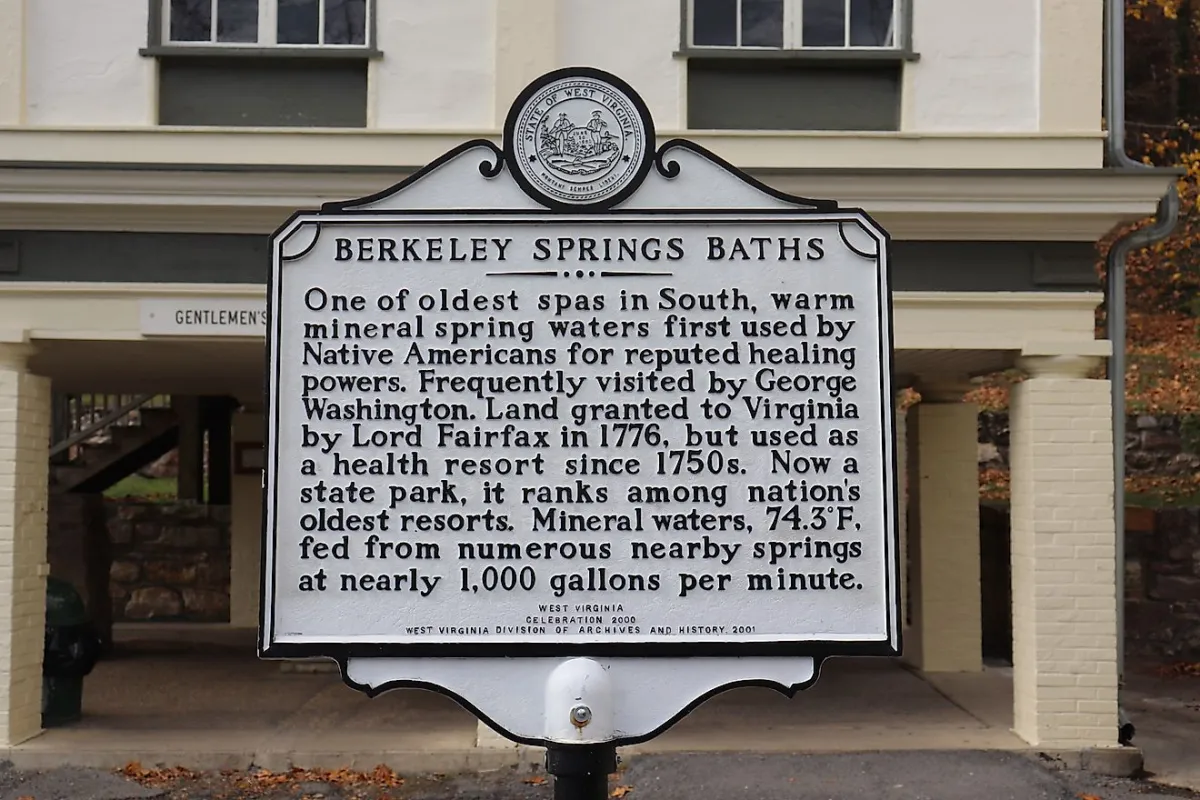 Photo: Berkeley Springs, West Virginia, via www.worldatlas.com
In Colorado, the tiny town of Pagosa Springs sits atop some of the world's deepest hot springs. While most tourists rush past toward bigger ski resorts, the springs still bubble at a constant 144 degrees, rich with the same sulfur and minerals that once treated arthritis and skin conditions.
Desert Hot Springs, California, remains one of the few places where you can still drink naturally carbonated mineral water straight from artesian wells — the same springs that drew health seekers in the 1920s.
What We Lost When We Stopped Looking
The decline of America's spring culture represents more than just medical history. It marked the end of slow healing, of taking time for recovery, of trusting natural processes over manufactured solutions.
Those Victorian patients didn't just gulp down mineral water and leave. They spent weeks in spring communities, walking mountain trails, eating fresh local food, sleeping in clean air, and socializing with other people focused on health and recovery. The water was just one piece of a comprehensive approach to wellness that modern medicine fragmented into separate specialties.
The Hidden Springs Map
Today, most Americans drive past active mineral springs without knowing they exist. Many flow freely beside highways, marked only by small historical plaques or local signs that GPS systems ignore.
Some have been quietly rediscovered by locals who never stopped believing in their benefits. Others flow untouched in national forests, accessible only to hikers willing to follow old trail maps.
The next time you see a roadside historical marker mentioning a "famous spring," it might be worth stopping. You might find more than just history — you might discover a piece of America's forgotten approach to health that was far more sophisticated than anyone remembers.
Those old doctors were onto something. They just didn't have the marketing budget that modern medicine does.