The Secret Signals That Guided America's First Road Trips — Before Motels Existed
The Language of Lights
In 1923, Harold and Mildred Thornton packed their Model T Ford and set out from Chicago for a cross-country adventure to California. They carried no hotel reservations, no restaurant guides, and no roadside assistance plan. Instead, they relied on something far more mysterious: their ability to read the subtle signals that American households used to communicate with traveling strangers.
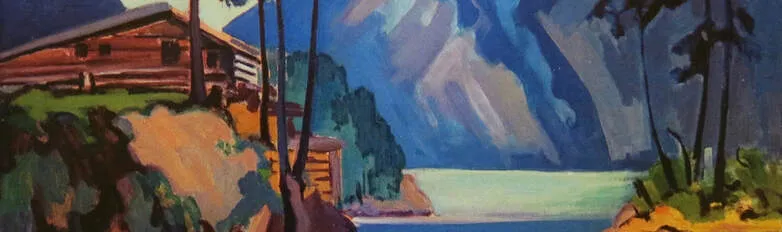 Photo: Harold and Mildred Thornton, via www.artopenings.ca
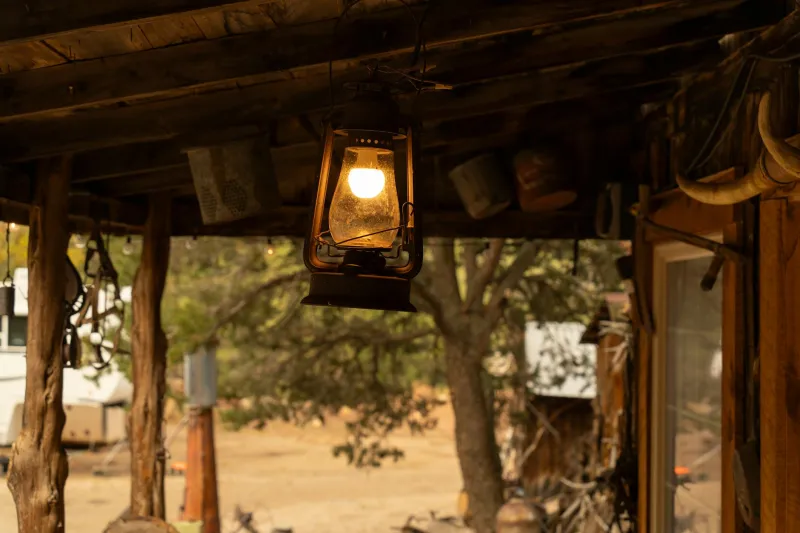
A porch light burning during daylight hours might mean rooms available. A red lantern by the mailbox could indicate a hot meal for travelers. White rags tied to fence posts sometimes marked houses that would sell gasoline from private pumps. This wasn't tourism infrastructure — it was an improvised social network that emerged organically as automobile ownership exploded faster than the hospitality industry could adapt.
The Gap Between Wheels and Beds
When Henry Ford's assembly line made cars affordable for middle-class Americans, it created an unexpected problem. By 1920, there were over 8 million automobiles on American roads, but the hotel industry was still designed for railroad travelers. Hotels clustered around train stations in city centers, often miles from the primitive highways that early motorists followed.
Motels wouldn't become common until the 1930s, and even then, they were concentrated on major routes. For the millions of Americans discovering automobile travel in the 1910s and 1920s, finding a place to sleep, eat, or get help meant relying on the kindness of strangers — and knowing how to identify which strangers were willing to help.
The Unwritten Rules
What emerged was a loose but surprisingly consistent system of household signals that varied by region but followed recognizable patterns. Travel diaries from the period, preserved in historical societies across the country, reveal how quickly motorists learned to decode these visual cues.
In New England, a lit lantern on a gatepost often meant the household would provide meals to travelers for a modest fee. In the Midwest, farmers began hanging specific colored cloths on their mailboxes: white for gasoline sales, blue for overnight camping permission, red for home-cooked meals available.
The system worked because it solved problems for both sides. Rural households, especially during the economic uncertainty following World War I, welcomed the extra income from feeding and housing travelers. Motorists, meanwhile, often found these impromptu accommodations more comfortable and affordable than the formal hotels in distant town centers.
Regional Variations and Local Customs
The hospitality signals evolved differently across American regions, reflecting local customs and needs. In the Southwest, where water was precious and distances vast, households that would sell water to travelers marked themselves with blue bottles or blue cloth hung prominently near the road.
Along the early transcontinental routes through the Rocky Mountains, some homesteaders developed elaborate systems. A 1925 travel diary from the Colorado Historical Society describes a ranch that used different combinations of lantern colors to indicate what services were available: red and white for lodging, white only for meals, green for mechanical help with automobiles.
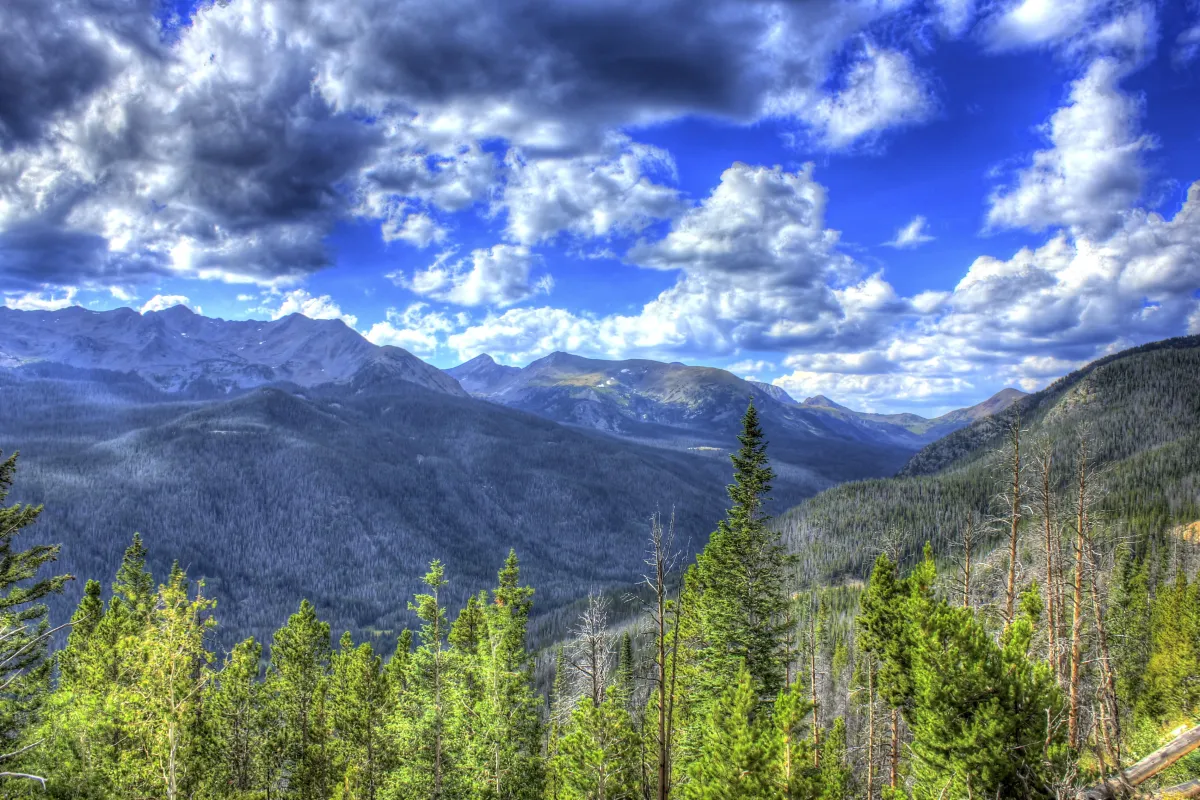 Photo: Rocky Mountains, via www.goodfreephotos.com
In the South, the signals often incorporated existing social customs. Households that would welcome travelers typically left their front porches well-lit and visible from the road, extending the regional tradition of porch-sitting and hospitality to include strangers in automobiles.
The Economics of Improvised Hospitality
For many rural American families, especially in the economically challenging years of the early 1920s, accommodating travelers became a crucial source of supplemental income. A typical arrangement might involve 50 cents for a hot meal, 25 cents for permission to camp on the property, or $1 for a spare bedroom — significant money when farm laborers earned $2-3 per day.
Some households became so successful at traveler hospitality that they eventually formalized their operations, building additional rooms or expanding their dining facilities. Many of America's first motor courts and roadside restaurants began as informal arrangements that grew organically from this signal-based system.
The Decline and Disappearance
The hospitality signal system began declining in the late 1920s as purpose-built motor courts and roadside restaurants proliferated. The Great Depression paradoxically accelerated the system's demise — while more households needed extra income, fewer people could afford recreational automobile travel.
By the 1940s, the network had largely vanished, replaced by standardized roadside businesses with prominent commercial signage. The informal, household-based system couldn't compete with the convenience and predictability of professional hospitality services.
World War II essentially finished off what remained. Gas rationing severely limited recreational travel, and post-war prosperity meant fewer households needed to supplement their income by hosting strangers.
The Lost Art of Reading the Road
What makes this forgotten system particularly fascinating is how completely it disappeared from American cultural memory. Unlike other aspects of early automobile culture — vintage gas stations, classic diners, historic motels — the household hospitality signals left almost no physical traces.
The knowledge was transmitted orally and through experience, recorded mainly in personal travel diaries and letters that remained in family collections rather than public archives. When the system became obsolete, the knowledge simply evaporated.
Traveling guidebooks from the 1920s occasionally mention the practice in passing, but they rarely explained the specific signals, assuming readers would learn them through experience or word-of-mouth from other travelers.
Echoes in Modern Travel
Interestingly, elements of this signal-based hospitality system have reemerged in modern forms. Airbnb and other home-sharing platforms essentially recreate the same dynamic — private households offering lodging to traveling strangers — but with digital rather than visual signals.
Some long-distance bicycle tourists and motorcycle travelers report encountering remnants of signal-based hospitality in remote areas, where households still use informal indicators to show they're willing to help stranded travelers.
The Social Infrastructure We Lost
The household hospitality signal system represented something unique in American culture: a large-scale social infrastructure that operated entirely through informal cooperation and shared understanding. No government agency regulated it, no corporation profited from it, and no official organization promoted it.
Yet for nearly two decades, it functioned well enough to enable millions of Americans to explore their country by automobile, often on modest budgets and with minimal advance planning. The system created connections between urban travelers and rural households, fostering a type of cross-cultural exchange that the standardized hospitality industry that replaced it never quite matched.
In our age of GPS navigation and online reviews, it's hard to imagine trusting such an informal, improvised system. But for a generation of early motorists, reading the subtle signals of American hospitality was simply part of the adventure of the open road.