When Small Towns Bet Everything on a Name Change — And Won Big
The Day Hell Froze Over (And Made Headlines)
On December 31, 1999, the residents of Hell, Michigan, had the last laugh. While Y2K panic gripped the nation, this tiny unincorporated community of 266 people was fielding interview requests from CNN, NBC, and newspapers worldwide. The reason? Hell had literally frozen over, and everyone wanted the story.
 Photo: Hell, Michigan, via www.justwatch.com
What most reporters didn't realize was that Hell's name wasn't some colonial-era accident or Native American translation gone wrong. The community had deliberately chosen one of the most provocative names in America — and it had been paying dividends for decades.
The Accidental Economics of Absurd Names
Across the American landscape, dozens of small towns have discovered something that business consultants charge thousands to explain: sometimes the most counterintuitive branding decision is the smartest one. While most communities spend fortunes trying to rebrand themselves as "historic" or "charming," a handful of places went the opposite direction — and accidentally stumbled into tourism gold.
Take Boring, Oregon. This unincorporated community of about 8,000 people southeast of Portland didn't choose its name ironically. It was named after William H. Boring, an early resident and Union Civil War veteran who settled there in 1874. But when Boring's residents embraced the joke rather than fighting it, something unexpected happened.
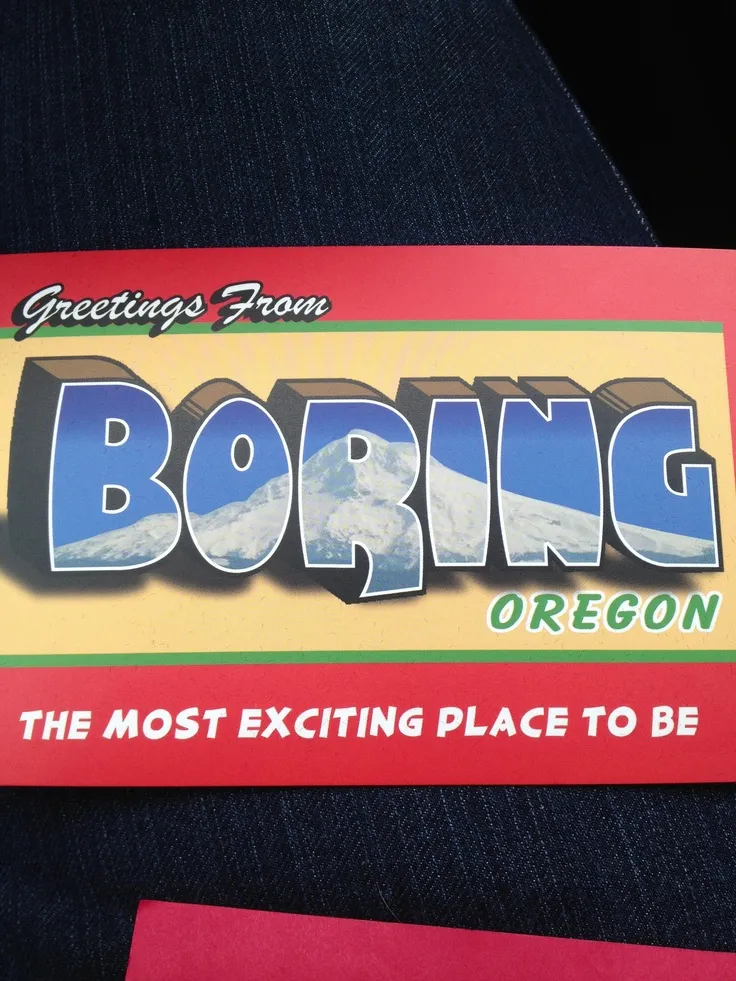 Photo: Boring, Oregon, via i.pinimg.com
In 2012, Boring officially "twinned" with Dull, Scotland, creating an international partnership that generated more media coverage than most major cities receive in a year. The story spread across social media, late-night talk shows picked it up, and suddenly Boring found itself on bucket lists worldwide. Local businesses started capitalizing: the Boring Store began selling "Boring" merchandise, and the annual Boring and Dull Day celebration now draws visitors from multiple continents.
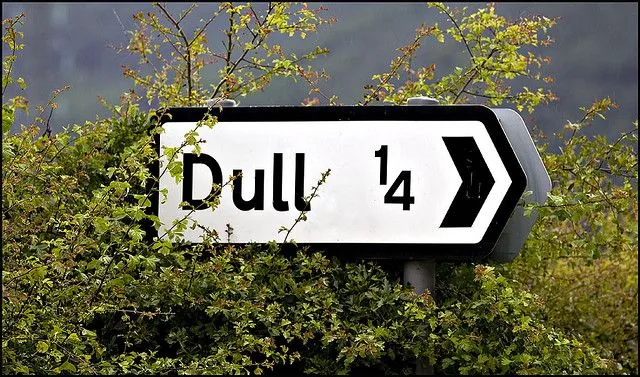 Photo: Dull, Scotland, via i.pinimg.com
The Science Behind the Silly
What these towns discovered accidentally, marketing researchers have spent decades trying to understand. The psychology is surprisingly simple: unusual names create what academics call "cognitive interruption" — they force your brain to stop and pay attention in a way that generic place names never could.
French Lick, Indiana, learned this lesson the hard way. The town, famous as Larry Bird's hometown, had always been slightly embarrassed by its name (which actually comes from French traders and a salt lick). But when they stopped apologizing for it and started leaning into the quirk, tourism numbers jumped. The French Lick Resort, which had been struggling, found that guests were booking specifically to say they'd stayed in French Lick.
Hot Coffee, Mississippi, took a different approach. This tiny community got its name from a country store that served particularly good coffee to travelers in the 1800s. When the store closed, the name stuck. For decades, it was just another forgettable dot on the map. Then someone had the idea to put up a sign reading "Hot Coffee: The Town That Never Sleeps" (even though it definitely does). The photo opportunities alone turned a non-place into a social media phenomenon.
The Unintended Consequences
Not every name change story has a happy ending, though. Monkeys Eyebrow, Kentucky, and Intercourse, Pennsylvania, both struggle with the line between tourism and becoming a punchline. Some residents worry about being taken seriously when their address becomes a joke.
But for many small communities facing economic decline, a little ridicule is a small price to pay for survival. Peculiar, Missouri (population 4,608) has embraced its oddness so thoroughly that the town motto is "Where the 'odds' are with you." Local businesses have names like Peculiar Antiques and the Not So Peculiar Cafe. The strategy works: Peculiar consistently outperforms neighboring towns in retail revenue per capita.
The Strategy That Wasn't a Strategy
What's remarkable about these success stories is how accidental most of them were. Unlike modern rebranding efforts that cost millions and involve focus groups, these name changes happened organically — often decades or centuries ago. The towns that succeeded were simply the ones that learned to embrace their weirdness instead of hiding from it.
Worms, Nebraska, could have changed its name a dozen times over the years. Instead, they installed a giant earthworm sculpture and now host an annual Worm Festival. Population: 72. Annual visitors: thousands.
The Lesson for Everywhere Else
The real discovery here isn't that funny town names attract tourists — it's that authenticity, even awkward authenticity, resonates more powerfully than manufactured charm. While countless communities spend decades trying to craft the perfect image, these places succeeded by simply being themselves, quirks and all.
For travelers, these towns offer something increasingly rare: places that don't take themselves too seriously. In an Instagram world of perfectly curated destinations, there's something refreshing about a town that's willing to be the butt of the joke — and confident enough to invite you to laugh along.
The next time you're planning a road trip, consider adding a stop that makes you chuckle just thinking about the address. You might discover that the places with the silliest names often have the most genuine stories to tell.