The Honor System That Kept Main Street Alive When Cash Was Scarce
Walk into Murphy's General Store in any small American town circa 1950, and you'd witness something that would baffle modern economists: customers loading up carts, walking out without paying, and everyone acting like this was perfectly normal.
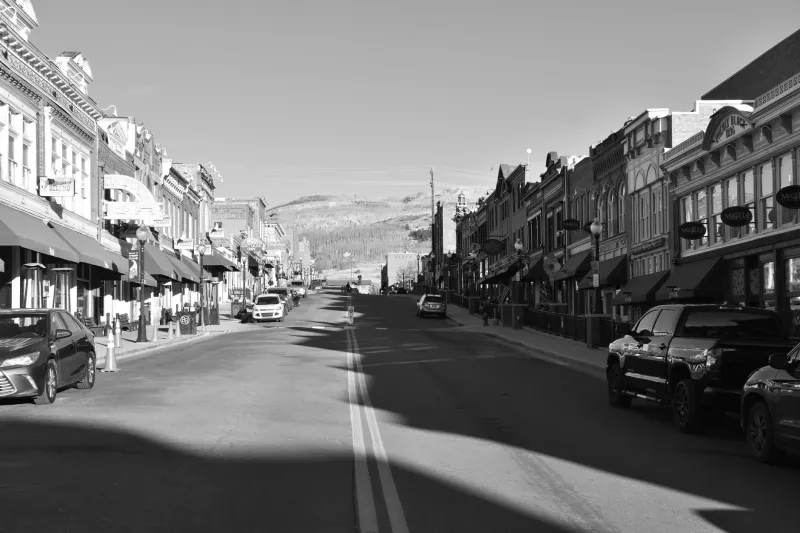
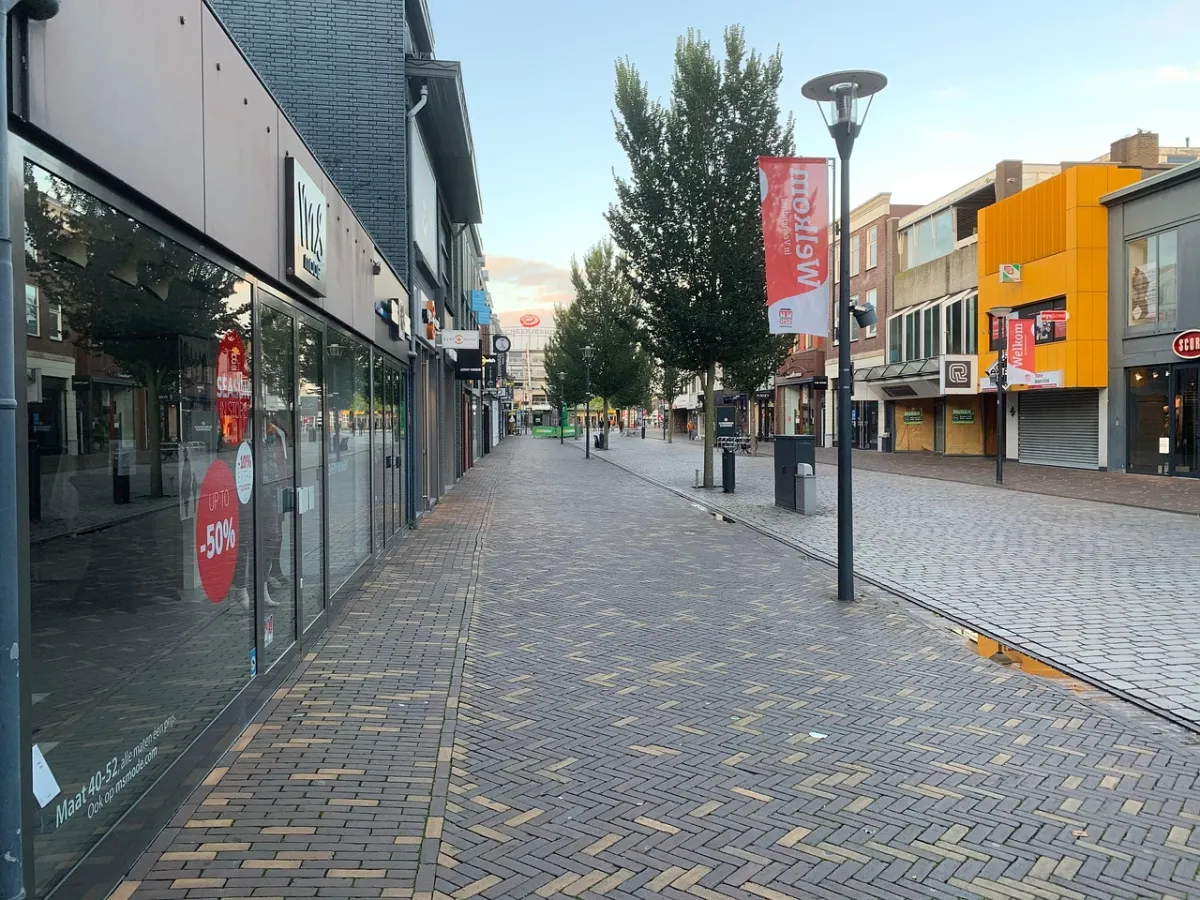 Photo: Main Street, via cdn.pixabay.com
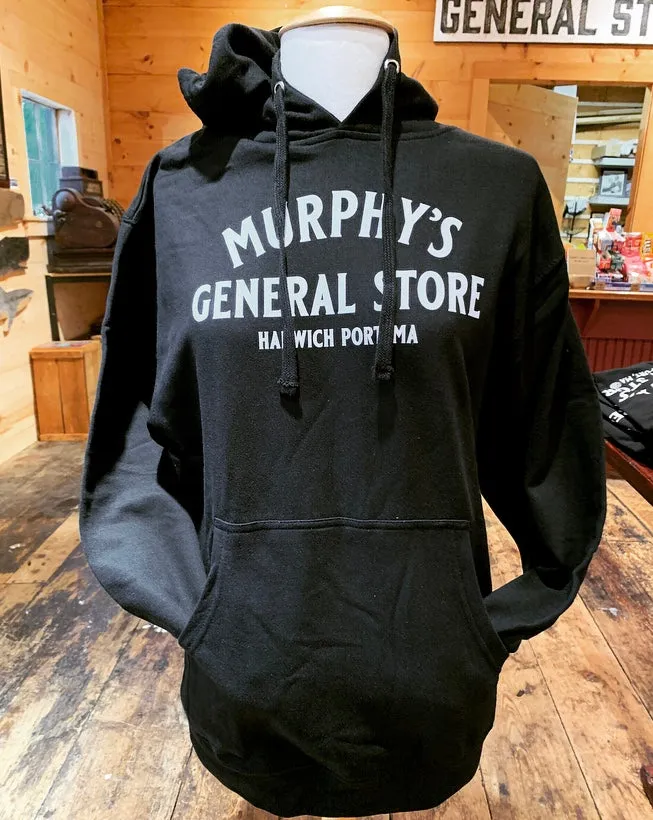 Photo: Murphy's General Store, via murphysgeneralstore.com
They weren't stealing. They were participating in America's most successful — and most forgotten — economic system.
When Your Word Was Worth More Than Your Wallet
Before credit cards existed, before banks offered small business loans, before anyone had heard of a credit score, American communities ran on something economists barely acknowledge: trust-based commerce.
The "tab system" wasn't just about convenience. It was the financial backbone that kept small towns functioning through seasonal work, crop failures, factory layoffs, and family emergencies. Customers ran accounts at the grocery store, the pharmacy, the hardware store, and the gas station. Payment came when it could — after harvest, after payday, sometimes after months of accumulated debt.
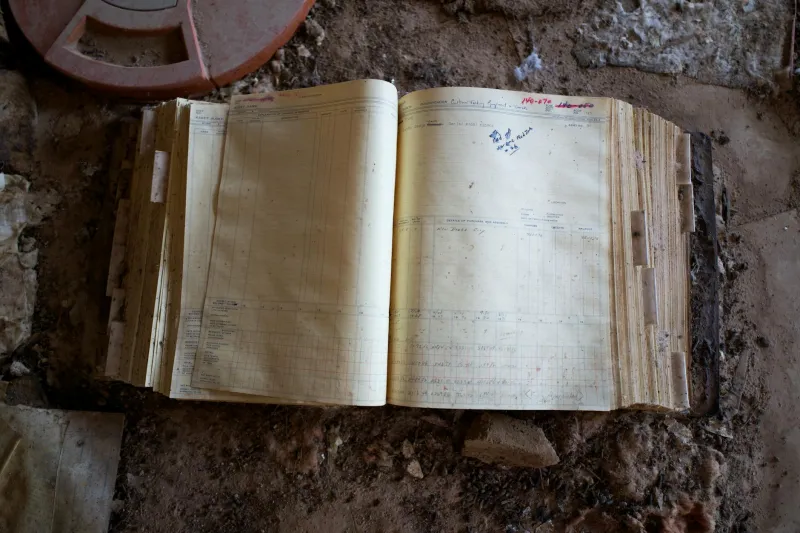
Store owners kept detailed ledgers, tracking not just purchases but family circumstances, work schedules, and community standing. These weren't just business records — they were social documents that mapped the economic life of entire communities.
The Mathematics of Trust
Here's what sounds impossible to modern business logic: the system worked better than cash transactions.
Recent research into historical small business records reveals that tab-based stores had lower overall losses than cash-only businesses. Default rates rarely exceeded 2-3%, even during economic downturns. Community pressure, social relationships, and long-term thinking created a more stable economic environment than immediate payment systems.
Customers who ran tabs spent more consistently, supporting local businesses through slow periods. Store owners, knowing their customers' financial situations intimately, could adjust credit terms to match seasonal income patterns. Farmers bought seed on credit in spring, paid after harvest. Factory workers stocked up during good times, carried balances during strikes or layoffs.
The Social Credit Score
Long before Experian or TransUnion existed, American communities had their own credit rating system — and it was far more nuanced than today's algorithms.
Your creditworthiness wasn't determined by mathematical formulas applied to anonymous data. It was based on personal relationships, family history, work ethic, and community contribution. The store owner knew if you'd lost your job, if your spouse was sick, if you'd helped neighbors during emergencies, if you'd always honored previous debts even when it took time.
This social credit system rewarded character over income, stability over wealth, and community connection over individual financial metrics. A struggling farmer who'd helped fight a neighbor's barn fire might get more credit than a wealthy newcomer with no local ties.
The Web That Held Towns Together
The tab system created economic webs that strengthened entire communities. When the textile mill laid off workers, the grocery store extended credit. When farmers had bad seasons, the hardware store carried them through. When the grocery store needed supplies, the distributor who'd grown up in town offered payment terms.
These weren't just business relationships — they were community insurance policies. Everyone understood that keeping local businesses alive meant keeping the town alive. Store owners who extended credit during hard times earned customer loyalty that lasted generations.
Why Economists Missed the Story
Academic economists largely ignored the tab system because it didn't fit standard economic models. It involved too many unmeasurable variables: personal relationships, community reputation, social obligations, informal agreements that were never written down.
But recent studies in behavioral economics and social capital are revealing what small-town merchants always knew: trust-based systems can be more efficient than formal financial structures. They reduce transaction costs, increase customer loyalty, strengthen community bonds, and create economic resilience that survives individual business failures.
The Death of the Tab
Several forces killed America's trust-based commerce system. Chain stores with standardized policies replaced locally-owned businesses. Credit cards offered instant, anonymous transactions. Federal regulations made informal lending more legally complex. Increased mobility meant customers could disappear without paying debts.
Most significantly, the cultural shift toward individual financial independence made community-based credit feel outdated. People preferred the anonymity of bank loans over the social obligations of local tabs.
The Hidden Cost of Going Cashless
What we gained in efficiency, we lost in community resilience. Modern small businesses operate with razor-thin margins, unable to extend credit during customer hardships. Economic downturns hit harder because there's no informal safety net of deferred payments and community support.
Customer relationships became transactional rather than relational. Store owners stopped knowing their customers' lives, work situations, and family circumstances. The social fabric that once held small towns together through economic storms began fraying.
The Holdouts Still Running Tabs
Drive through rural America today, and you'll still find a few businesses operating on modified tab systems. Small-town diners where regulars eat now and pay on Friday. Feed stores that carry farmers through planting season. Corner groceries in tight-knit neighborhoods where everyone knows everyone.
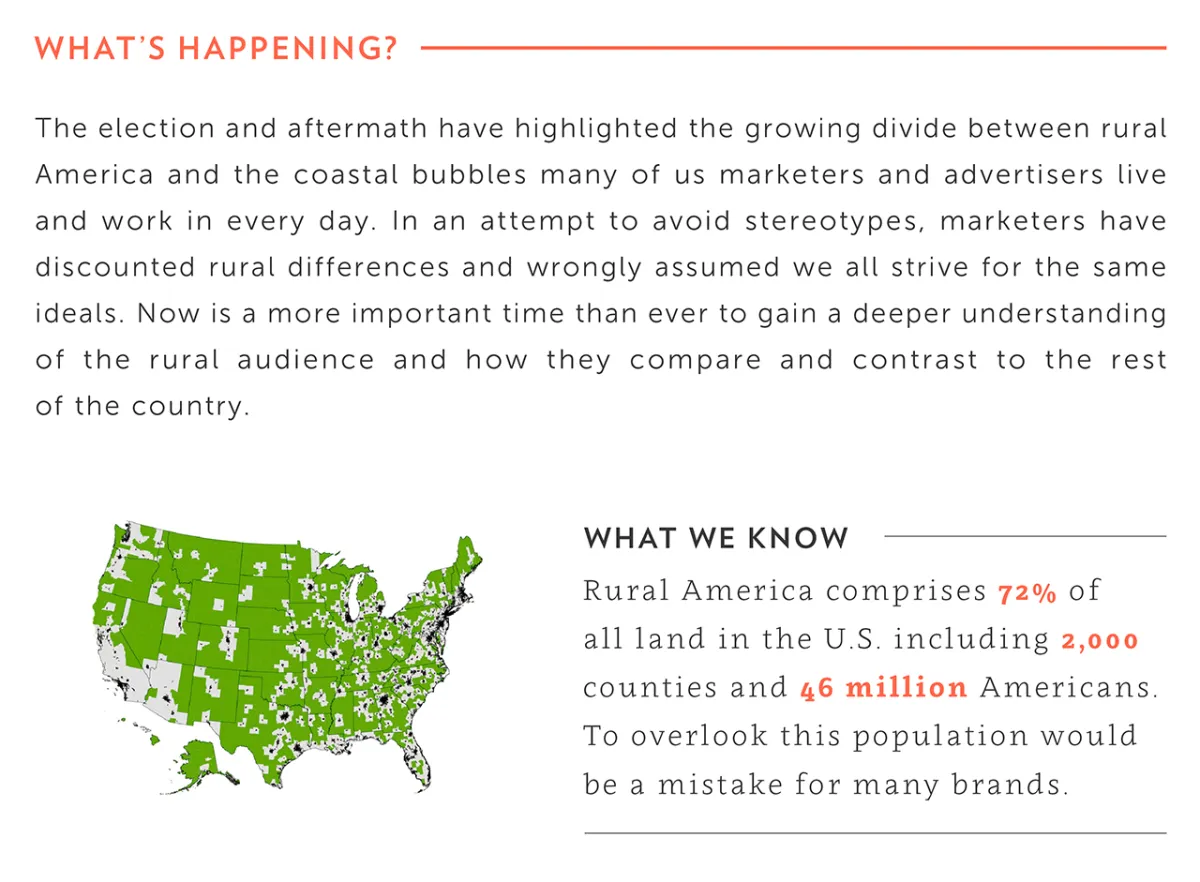 Photo: rural America, via images.ctfassets.net
These businesses often outlast their cash-only competitors, supported by customer loyalty that transcends price competition. They prove that America's old trust-based commerce system wasn't primitive — it was sophisticated social technology that modern business has forgotten how to replicate.
The next time you see a hand-written "We Trust Our Customers" sign in a small-town store, you're looking at more than quaint nostalgia. You're seeing the remnants of an economic system that built stronger communities than any algorithm ever could.