Before Kickstarter, Small-Town America Was Already Funding Its Own Future — One Pledge at a Time
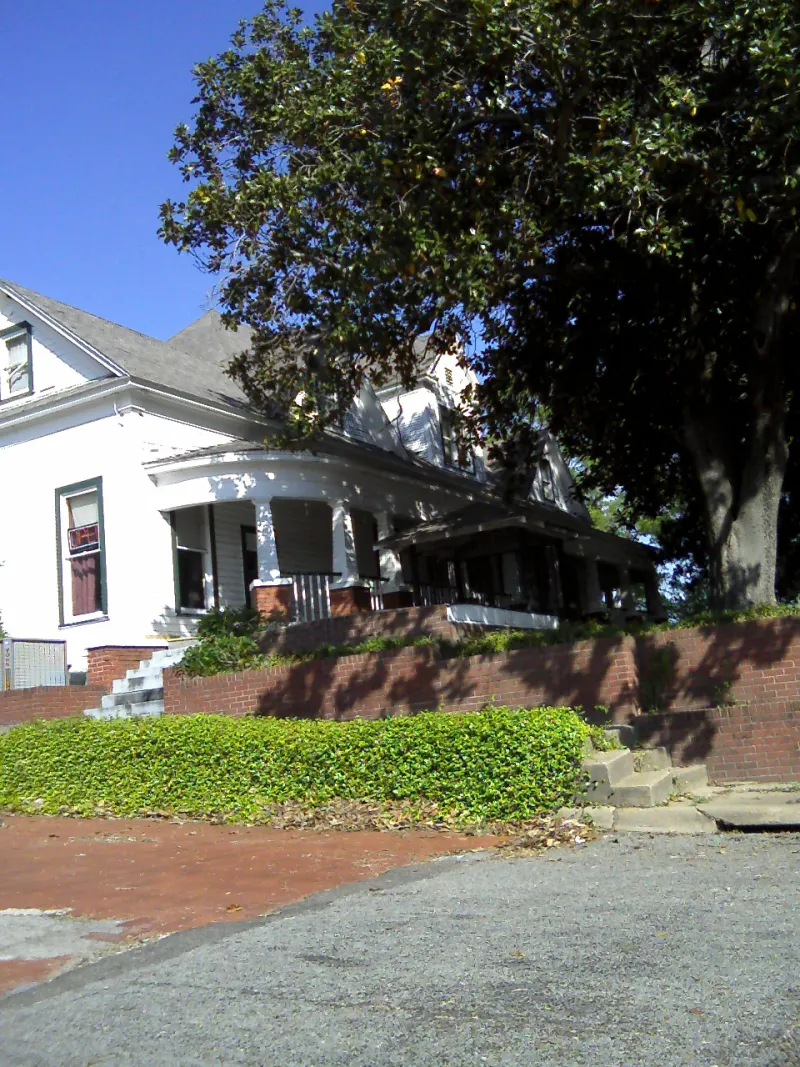
Photo: AudreyIski, CC BY-SA 3.0, via Wikimedia Commons
Somewhere in a county historical society in rural Kansas, there's probably a ledger. It's water-stained and handwritten, and if you squint at the columns, you'll find names — farmers, dry goods merchants, schoolteachers, a blacksmith — each with a dollar amount penciled beside them. Together, those amounts add up to something that shouldn't have been possible: a hospital, a grain elevator, a public library, built by people who had very little, because they decided that together they had enough.
This was not unusual. It was, for much of the 19th and early 20th centuries, simply how small-town America built things that needed building.
The Subscription Drive: America's Original Campaign Page
The mechanics were straightforward in a way that would feel immediately familiar to anyone who's ever backed a project on Kickstarter. A community identified a need — a water tower, a school building, a rail depot, an opera house — and someone, usually a respected merchant or civic figure, started circulating a subscription sheet. Residents pledged what they could. Some gave cash. Others offered labor, lumber, or the use of their wagon for hauling stone. When enough pledges accumulated, the project began.
No platform fee. No algorithm. No stretch goals. Just a piece of paper and a community's collective bet on itself.
This model funded an extraordinary range of projects across rural America. In the 1870s and 1880s, dozens of small Midwestern towns built grain elevators through cooperative subscription drives because they were tired of being at the mercy of railroad-affiliated warehouses that set their own rates. The elevator belonged to the farmers who funded it. The profits stayed local.
The Opera Houses Nobody Talks About
One of the more surprising things these subscription campaigns built was culture. Hundreds of small American towns — places with populations under two thousand — constructed genuine opera houses in the late 1800s through community pledges. Iowa alone had over a thousand opera houses by 1900, the vast majority funded not by wealthy patrons but by pooled community contributions.
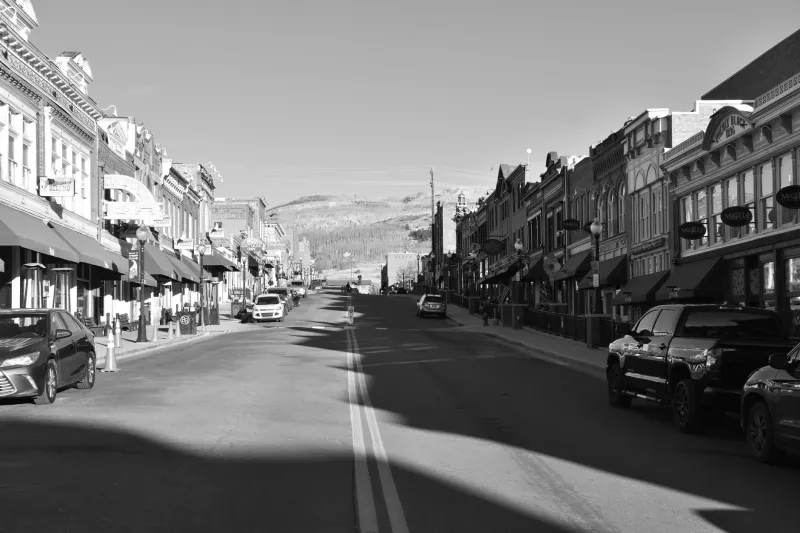
These weren't vanity projects. They were community anchors. The Majestic in Chillicothe, Ohio. The Tabor Opera House in Leadville, Colorado, partially funded through community mining investment. Traveling theater companies, lecturers, and musicians booked circuits through these small-town venues, and the subscription model meant that ordinary residents had genuine ownership stakes in the cultural life of their towns.
 Photo: Leadville, Colorado, via i.pinimg.com
When a community had literally helped pay for the building, they showed up. The opera house wasn't something that existed for other people. It was theirs.
When Towns Funded Their Own Hospitals
Perhaps the most striking example of community subscription financing was in healthcare. Before rural hospital networks, before Medicare, before health systems absorbed every small-town clinic into a regional brand, dozens of rural American communities built their own hospitals through subscription campaigns.
In the early 1900s, towns across the Great Plains and Appalachia organized drives where residents pledged annual amounts — sometimes as little as a dollar or two — to fund the construction and operation of a local hospital. The Elk City Community Hospital in Elk City, Oklahoma, founded in 1929 by Dr. Michael Shadid, is one of the most documented examples. Shadid persuaded local farmers to pay annual dues in exchange for medical care, building what became one of America's earliest cooperative health plans. The American Medical Association hated it. The farmers loved it.
 Photo: Elk City Community Hospital, via marvel-b1-cdn.bc0a.com
Shadid faced enormous professional resistance for the idea. His medical license was challenged. He was called a radical. The farmers who funded his cooperative kept showing up anyway, because the hospital worked, and it was theirs.
The Psychology of Skin in the Game
What made these subscription-funded projects different from charity or government programs wasn't just the financing mechanism. It was ownership. When residents had pledged their own money — even small amounts — toward a community project, they had a personal stake in its success. They maintained it. They defended it. They showed up to use it.
This dynamic is something behavioral economists now have a name for: the endowment effect. We value things more when we've contributed to them. Small-town America had been running this experiment for generations before anyone wrote a paper about it.
The towns that built their own infrastructure through community subscription also tended to develop stronger civic cultures around those projects. The grain elevator required a board of directors drawn from the community. The hospital needed a governing committee. The opera house needed someone to manage bookings. These structures created ongoing webs of civic engagement that extended well beyond the original fundraising campaign.
What Rural America Is Quietly Rediscovering
Here's the part of the story that's still being written. Across rural America today, a growing number of small towns are experimenting with community ownership models that would have felt familiar to a 19th-century farmer on a subscription drive.
In places like Ely, Minnesota, and Fairfield, Iowa, residents have pooled money to purchase and operate local grocery stores that corporate chains abandoned. In rural Vermont and the Ozarks, community broadband cooperatives are funding their own internet infrastructure rather than waiting for telecom companies to find them profitable enough to serve.
The language is different. The platforms are digital. But the underlying logic — that a community willing to bet on itself can build things no outside investor will bother to build — is the same logic that put grain elevators on the Kansas horizon a hundred and fifty years ago.
Somewhere in that water-stained ledger, the names are still legible. They were onto something.