Where Everyone Knows Your Mail: The One-Room Post Offices That Still Run America's Forgotten Towns
The Postmaster Who Knows Everything
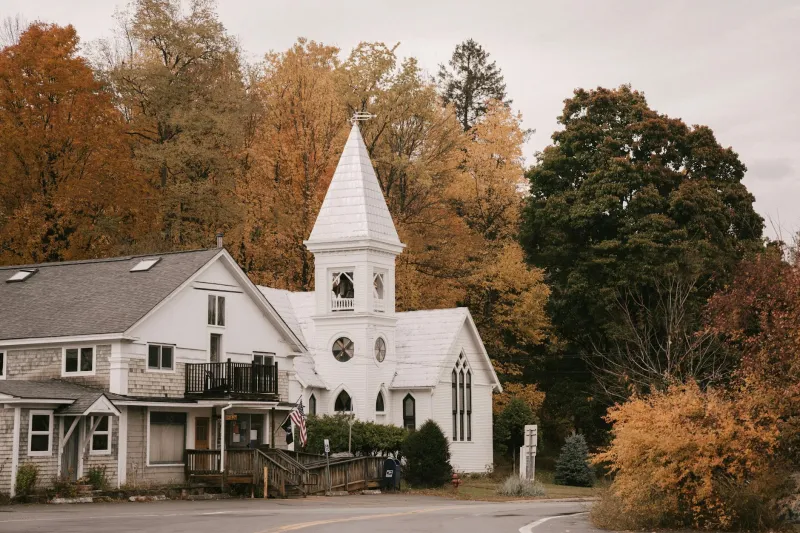
In Ochopee, Florida, population 11, the post office measures exactly 7 feet by 8 feet. It's smaller than most walk-in closets, yet it serves as the unofficial town hall, gossip center, and community bulletin board for everyone within a 20-mile radius. The postmaster here doesn't just sort mail—she knows who's expecting a baby, whose crops are struggling, and which teenager just got accepted to college.
 Photo: Ochopee, Florida, via www.123-stickers.com
This isn't unusual. It's how thousands of America's tiniest post offices have always worked.
Before the Internet, There Was the Post Office
Long before Facebook connected communities, rural post offices served as America's original social network. In the late 1800s and early 1900s, the local postmaster was often the most connected person in town—literally. They handled not just letters and packages, but telegrams, money orders, and even early telephone calls.
More importantly, they served as the central hub for information that kept small communities alive. Job openings got posted on handwritten notes. Farmers shared crop prices and weather predictions. Young people met potential spouses through carefully orchestrated "coincidental" encounters at mail pickup time.
The postmaster became an unofficial therapist, matchmaker, news anchor, and social coordinator all rolled into one. They knew who was struggling financially (bills piling up), who might be having marital problems (separate mail delivery requests), and who was planning to leave town (forwarding address requests).
The Smallest Post Offices in America
Today, while Amazon warehouses process millions of packages, America still operates hundreds of post offices in towns with fewer than 100 residents. Some serve communities so small they don't appear on GPS maps.
In Monowi, Nebraska, population 1, Elsie Eiler runs the post office from a building that also houses the town's only tavern. She's simultaneously the mayor, bartender, and postmaster of America's smallest incorporated town.
 Photo: Monowi, Nebraska, via grusskartenshop.de
The post office in Dinosaur, Colorado (population 339) sits in a building designed to look like a dinosaur. The postmaster there reports that tourists often stop by just to mail postcards with the unique postmark, but end up staying for an hour hearing stories about local fossil discoveries.
In Supai, Arizona, the post office serves the Havasupai Tribe at the bottom of the Grand Canyon. It's the only place in America where mail still arrives by mule train, and the postmaster coordinates not just mail delivery but emergency communications for the entire isolated community.
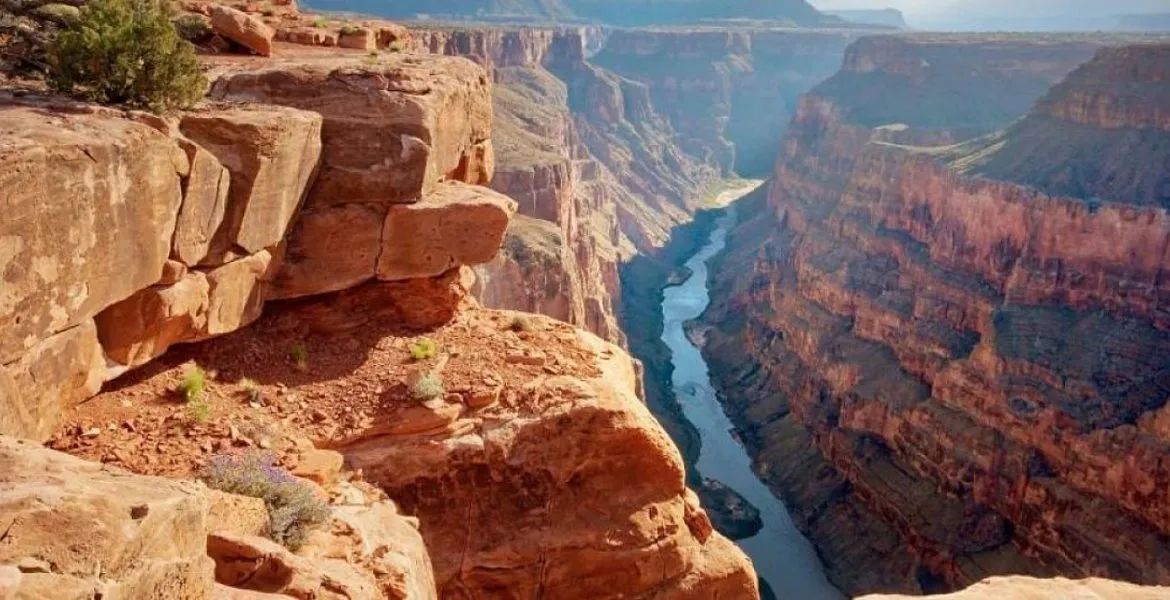 Photo: Grand Canyon, via buenavibra.es
More Than Mail: The Hidden Services
These tiny post offices provide services that go far beyond what their big-city counterparts offer. They're often the only government office within 50 miles, so postmasters help residents with everything from passport applications to voter registration.
Many serve as informal lost-and-found centers. The postmaster in Scenic, South Dakota (population 9) keeps a box of items left behind by tourists—everything from car keys to wedding rings. She's reunited dozens of visitors with their belongings over the years.
Some function as emergency communication centers. During natural disasters, when cell towers fail and internet goes down, these post offices with their landline phones and two-way radios become lifelines for entire communities.
The Art of Reading Between the Lines
Experienced rural postmasters develop an almost supernatural ability to read their community's health through mail patterns. A sudden increase in medical bills might signal someone's hiding a serious illness. Wedding invitations appearing in bulk suggest a surprise engagement. College brochures piling up hint at a family's quiet hopes for their teenager's future.
This intimate knowledge comes with responsibility. Good postmasters know when to share information ("Did you hear the Johnsons are expecting?") and when to keep secrets (unpaid bills, divorce papers, medical diagnoses).
Why They Survive
In an age of email and overnight delivery, these tiny post offices persist because they serve a function that technology can't replicate: human connection in places where neighbors might live miles apart.
For many rural residents, the daily trip to collect mail is the only guaranteed social interaction they'll have. The post office becomes a place to check on elderly neighbors, share local news, and maintain the social fabric that keeps small communities from disappearing entirely.
Finding America's Smallest Post Offices
These hidden gems exist in every state, often in towns you've never heard of. They're marked by hand-painted signs, housed in converted general stores or purpose-built buildings smaller than suburban garages.
Many welcome curious visitors, especially if you're genuinely interested in their community's story. Stop by with a postcard to mail, and you'll likely leave with directions to hidden hiking trails, recommendations for the best local pie, and stories about the town's history that you won't find in any guidebook.
The next time you're driving through rural America and spot a tiny building with a flag out front, consider stopping. You're not just visiting a post office—you're stepping into a community's living room, where America's original social network is still running strong.