The Secret Language of American Fences: What Your Neighbors' Property Lines Revealed About Everything
When Fences Spoke Louder Than Words
Driving through rural America today, you might notice the patchwork of fence styles dividing the landscape—split rail here, barbed wire there, stone walls cutting through New England forests. What looks like random property markers once formed a sophisticated communication system that revealed intimate details about land, wealth, and personality to anyone who knew how to read the signs.
For generations of Americans, fence literacy was as essential as reading weather patterns or judging horseflesh. A glance at someone's property line told you their financial situation, farming philosophy, family history, and even their plans for the future.
The Economics Written in Wood and Wire
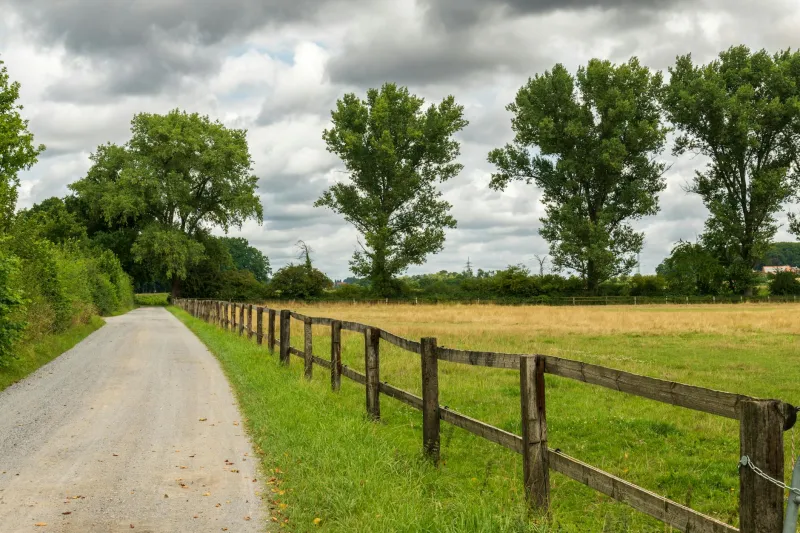
Split-rail fences, zigzagging across Appalachian hillsides, announced prosperity through abundance. Only landowners with extensive timber holdings could afford to use so much wood for boundaries. The higher the rails, the wealthier the farmer—and the more serious they were about keeping livestock contained.
Barbed wire, invented in 1873, told a different story. Its rapid adoption across the Great Plains signaled both innovation and frugality. Farmers who switched quickly were early adopters, willing to embrace new technology. But barbed wire also meant the free range was ending—serious business was replacing the casual cattle grazing that had defined the frontier.
 Photo: Great Plains, via thehill.com
Stone walls in New England revealed the most complex narratives. Perfectly fitted fieldstone suggested old money and patient craftsmanship, often built by families who'd owned the same land for generations. Rough-stacked rocks indicated newer settlers making do with what they cleared from their fields, turning the back-breaking work of stone removal into practical boundaries.
Reading the Maintenance Schedule
Fence condition functioned as a real-time financial report. Fresh paint on picket fences announced prosperity and pride. Sagging wire suggested either temporary hardship or an owner too old to maintain their property—valuable information for neighbors considering land purchases or offering help.
Gaps in fencing told seasonal stories. Farmers often removed sections during harvest to allow equipment through, then replaced them afterward. A fence left open past harvest time might indicate illness, financial trouble, or plans to sell.
The height and style of repairs revealed personality traits. Meticulous patches using matching materials suggested a perfectionist who took pride in appearance. Quick fixes with mismatched wire or wood indicated a practical person focused on function over form.
Regional Dialects in Fence Language
Different regions developed distinct fence vocabularies. In Texas, the presence of cedar posts versus metal stakes indicated local versus outsider status—cedar meant you understood the terrain and had access to traditional materials.
California's wine country developed its own fence semiotics. Wooden post-and-rail fences around vineyards weren't just boundaries—they were brand statements. The wood species, finish quality, and decorative elements communicated the winery's positioning to visitors and competitors alike.
In horse country, fence styles became tribal markers. Board fences painted white or black announced serious horse operations with money to maintain appearances. Mesh wire suggested professional training facilities focused on safety over aesthetics.
The Social Boundaries Hidden in Property Lines
Fence height often indicated social aspirations more than practical needs. Six-foot privacy fences in suburban neighborhoods announced a desire for separation, while decorative low fences suggested confidence and community engagement.
Shared fence maintenance revealed neighborhood relationships. Well-maintained property lines between neighbors indicated good relations and possibly shared costs. A fence that looked perfect on one side but neglected on the other announced ongoing disputes or antisocial tendencies.
Gate styles provided the most intimate psychological profiles. Elaborate gates with ornate hardware suggested owners who valued ceremony and first impressions. Simple wire gates indicated practical people who prioritized function. No gates at all—just gaps in the fence—announced either supreme confidence or careless disregard for security.
The Agricultural Intelligence Network
Experienced farmers could read entire agricultural philosophies from fence choices. Tight mesh wire around gardens indicated serious market gardening or someone battling persistent pest problems. Electric fence suggested modern thinking and willingness to invest in efficiency.
The spacing between fence posts revealed soil conditions. Closer spacing in certain areas indicated soft ground that required extra support, warning potential buyers about drainage issues or seasonal flooding.
Crooked fence lines often followed property surveys, but they also revealed topographical challenges. Fences that curved around seemingly empty ground usually avoided wet spots, rocky outcrops, or other hidden obstacles that only locals knew about.
Modern Fence Reading in a Digital Age
While property records now live online and GPS maps show exact boundaries, fence literacy still provides insights that databases can't capture. Drive through any American town and the fence language continues.
Vinyl fencing announces low-maintenance priorities and suburban sensibilities. Chain link suggests security concerns or rental properties. Decorative metal fencing indicates gentrification in progress.
Even in cities, fence choices reveal economic transitions. Neighborhoods where old chain link gives way to wooden privacy fences are experiencing demographic shifts. Areas where elaborate fencing appears suddenly often signal new money moving in.
Learning to Read the Lines
The next time you're exploring rural America or even suburban neighborhoods, try reading the fence stories. Notice how maintenance quality changes from property to property. Observe which neighbors share fence styles and which make dramatically different choices.
Pay attention to gates—their size, materials, and security features. Look for repairs that tell tales of storms, accidents, or changing needs. Notice how fence lines interact with topography, revealing the hidden logic of the landscape.
This forgotten American skill connects us to generations who read their world through subtle visual cues, finding stories written in the most ordinary objects. In a digital age where we often miss the physical details around us, fence literacy offers a way back to seeing the rich information hiding in plain sight along every property line.