The Victorian Prescription for Exhaustion: When Doctors Ordered Weeks of Doing Absolutely Nothing
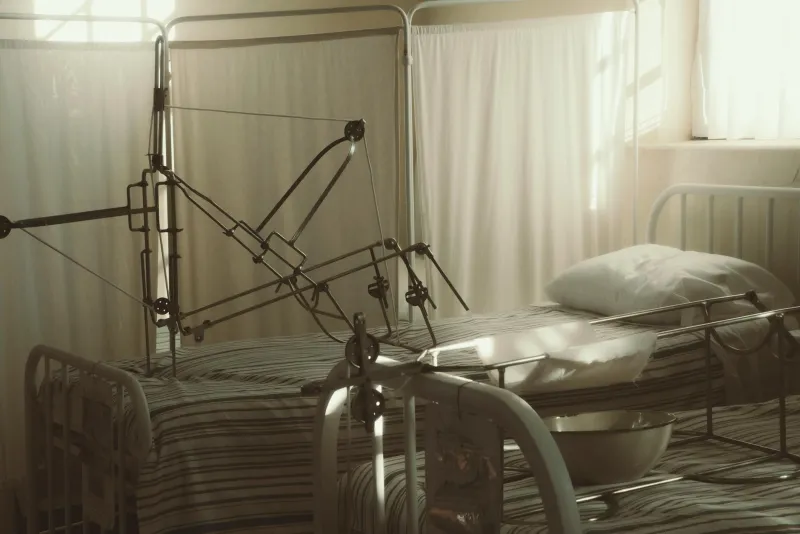
When Medicine Prescribed Stillness
Imagine visiting a doctor for anxiety or depression and receiving this prescription: six weeks of complete bed rest, no books, no visitors, no stimulation of any kind. Just lying still while nurses feed you milk and massage your muscles. This wasn't alternative medicine—it was mainstream American healthcare from the 1870s through the 1920s.
The "rest cure" represented one of the most widespread medical treatments in American history, prescribed to thousands of patients suffering from what doctors called "neurasthenia" or nervous exhaustion. The treatment promised to cure everything from depression to hysteria by forcing patients into complete physical and mental passivity.
What makes the rest cure fascinating isn't just its strangeness, but how it reveals America's longstanding struggle to understand mental fatigue—a struggle that feels surprisingly familiar today.
The Doctor Who Invented Medical Stillness
Dr. Silas Weir Mitchell, a Philadelphia neurologist, developed the rest cure during the Civil War while treating soldiers with "irritable heart"—what we'd recognize today as PTSD. Mitchell noticed that enforced rest seemed to calm agitated patients, so he expanded the concept into a comprehensive treatment system.
 Photo: Dr. Silas Weir Mitchell, via http2.mlstatic.com
Mitchell's rest cure involved several stages. First, complete isolation from family and friends. Patients were forbidden to write letters, read books, or engage in any mental activity. Second, absolute bed rest for weeks or months. Patients couldn't sit up, walk, or even feed themselves. Third, a high-fat diet designed to promote weight gain, since Mitchell believed thinness indicated nervous weakness.
The treatment also included daily massages and electrical stimulation, which Mitchell claimed would maintain muscle tone while the mind rested. Nurses monitored patients constantly, ensuring they followed the regimen precisely.
The Science Behind the Stillness
Mitchell based his treatment on prevailing theories about nervous energy. Victorian physicians believed humans possessed finite amounts of nervous force, similar to how batteries store electrical charge. Mental work, emotional stress, and physical activity all depleted this energy.
Women, according to Mitchell, had smaller reserves of nervous energy than men, making them more susceptible to depletion. He particularly targeted educated women, arguing that intellectual pursuits drained their limited nervous resources and caused hysteria.
The rest cure aimed to restore nervous energy through complete conservation. By eliminating all mental and physical activity, patients would supposedly recharge their depleted systems. The high-calorie diet would provide raw materials for energy production, while massage would maintain circulation without requiring patient effort.
Modern medicine recognizes these theories as complete nonsense, but they reflected genuine attempts to understand psychological distress using available scientific frameworks.
Who Sought the Rest Cure
The treatment attracted a surprising range of patients. Wealthy women comprised the largest group, but men suffering from business-related stress also sought rest cures. The patient list included writers, artists, society figures, and entrepreneurs—essentially anyone whose lifestyle involved mental rather than physical labor.
Many patients actively sought the treatment, viewing it as a respectable way to address psychological distress. In an era when mental illness carried enormous stigma, the rest cure offered a medical explanation for emotional problems. Patients weren't "crazy"—they simply needed to recharge their nervous systems.
The treatment was expensive, limiting it primarily to upper-class patients who could afford weeks or months of private nursing care. This exclusivity added to its appeal, making the rest cure a status symbol as much as a medical treatment.
The Dark Side of Enforced Rest
While some patients reported improvement, others found the rest cure torturous. The complete isolation and enforced passivity often worsened depression rather than curing it. Patients frequently described feeling like prisoners, trapped in their own bodies with no mental stimulation or social contact.
Charlotte Perkins Gilman, who later wrote "The Yellow Wallpaper," underwent Mitchell's rest cure in 1887. Her experience inspired her famous short story about a woman driven to madness by enforced inactivity. Gilman credited the rest cure with nearly destroying her mental health and later campaigned against the treatment.
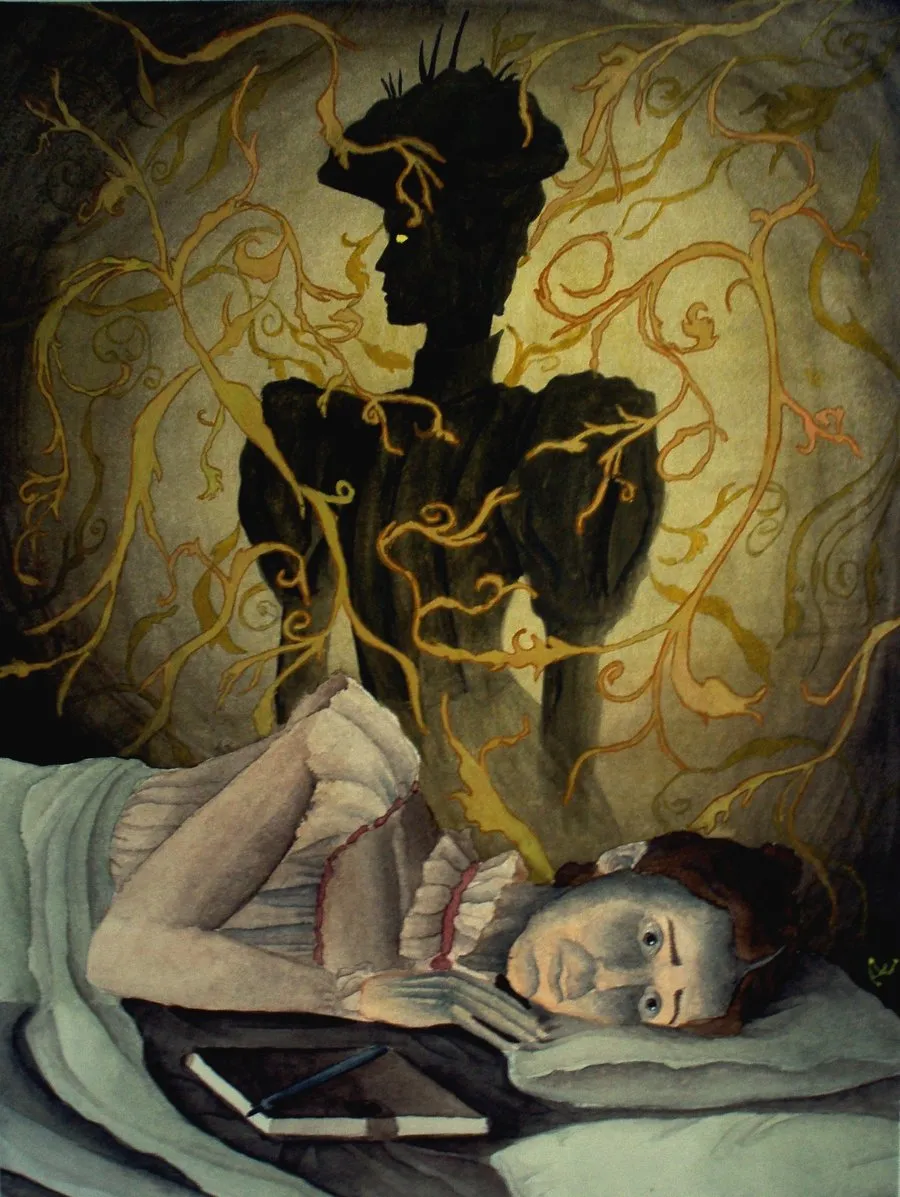 Photo: The Yellow Wallpaper, via cdn.wallpapersafari.com
 Photo: Charlotte Perkins Gilman, via images-na.ssl-images-amazon.com
The rest cure also reinforced gender stereotypes, suggesting that women who pursued education or careers were violating natural laws and damaging their health. Mitchell explicitly argued that intellectual women needed to choose between mental development and physical well-being.
Why the Rest Cure Worked (When It Did)
Despite its problematic foundation, some patients genuinely benefited from the rest cure. Modern analysis suggests several reasons why:
The treatment provided complete removal from stressful environments. Patients escaped work pressure, family obligations, and social expectations—all factors that can worsen anxiety and depression.
The enforced routine and constant medical attention created structure and support, which can help stabilize mood disorders.
For patients suffering from actual physical exhaustion (common in an era of poor nutrition and overwork), the rest and improved diet probably provided real benefits.
The placebo effect was enormous. Patients believed they were receiving cutting-edge medical treatment from respected physicians, which alone can improve psychological symptoms.
The Rest Cure's Modern Echoes
The rest cure disappeared as psychology developed more sophisticated understanding of mental health. By the 1930s, most physicians recognized that enforced passivity often worsened rather than improved psychological distress.
Yet elements of the rest cure persist in modern wellness culture. Luxury rehab facilities promote "digital detoxes" and extended retreats from normal life. Spa treatments promise restoration through passivity and pampering. The idea that mental exhaustion requires complete withdrawal from stimulation remains appealing.
More troubling, the rest cure's gender assumptions echo in modern discussions of women's mental health. The notion that women are more fragile and require protection from stress continues to influence how society treats female anxiety and depression.
What the Rest Cure Reveals About American Burnout
The rest cure's popularity reflected genuine social problems that persist today. Victorian Americans were experiencing unprecedented rates of mental exhaustion as industrialization and urbanization transformed daily life. The pace of change, work pressure, and social expectations created psychological stress that existing culture couldn't address.
Sound familiar? Modern Americans report record levels of anxiety, depression, and burnout. We've developed better treatments than enforced bed rest, but we're still struggling with the same fundamental question the rest cure tried to answer: how do you recover from mental exhaustion?
The rest cure's failure teaches important lessons about treating psychological distress. Complete withdrawal from life rarely solves mental health problems. Social connection, purposeful activity, and gradual re-engagement typically work better than isolation and passivity.
Yet the rest cure also recognized something modern medicine sometimes overlooks: mental exhaustion is real, it requires treatment, and recovery takes time. The Victorians got the methods wrong, but they understood that psychological distress deserves serious medical attention.
Perhaps most importantly, the rest cure reminds us that every generation thinks it's discovered the secret to treating mental health. Our current approaches will probably seem as strange to future physicians as the rest cure seems to us. The key is remaining humble about what we don't know while building on what we've learned.