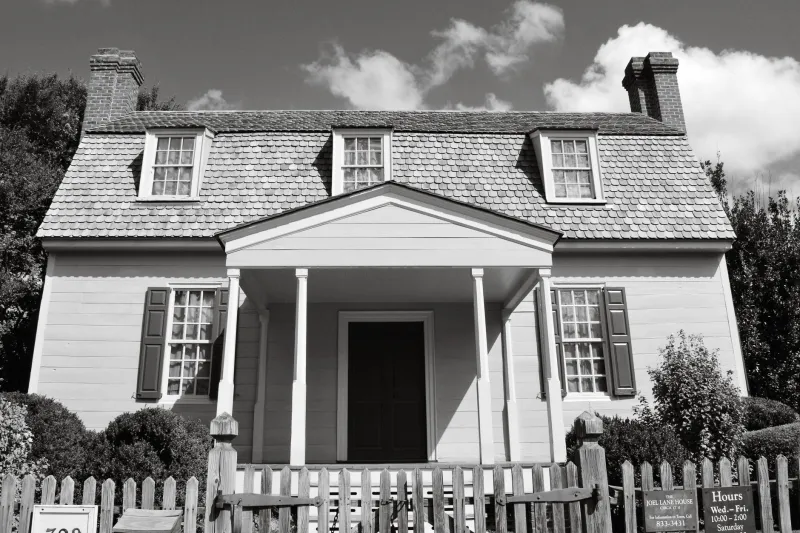
America's Best-Kept Lodging Secret: Historic Fire Towers You Can Rent for Pocket Change
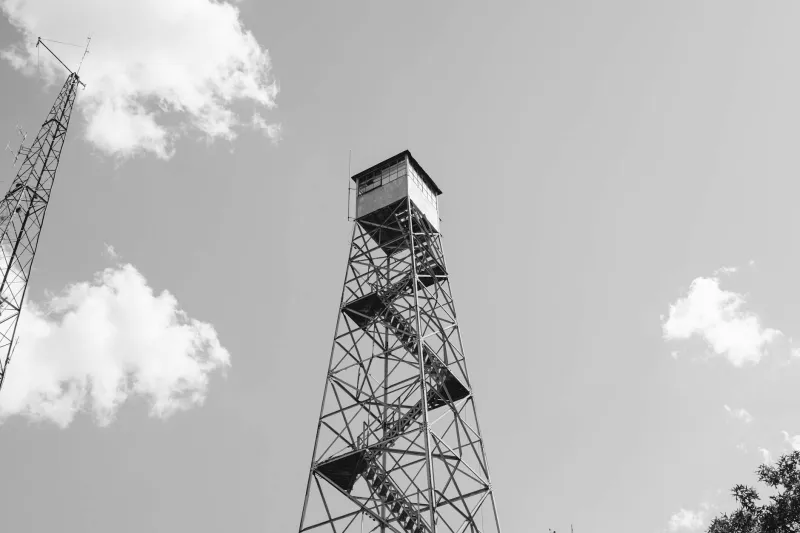
While most Americans are scrolling through expensive Airbnb listings or booking chain hotels, some of the country's most unique accommodations sit empty in plain sight. Perched on mountain peaks and hidden in forest valleys across the United States, hundreds of historic fire lookout towers and remote ranger cabins are available for public rental through a little-known federal program that charges a fraction of what you'd pay for a standard hotel room.
The Federal Government's Accidental Hotel Chain
The U.S. Forest Service and other federal agencies operate what might be the country's most unusual lodging network. These aren't luxury accommodations — they're working pieces of American history, from 80-foot fire towers with panoramic views to rustic cabins where forest rangers once lived for months at a time.
 Photo: U.S. Forest Service, via printables.space
Most of these structures were built between the 1920s and 1960s, when human spotters formed the primary defense against wildfires. As satellite technology and aerial surveillance replaced human fire watchers, many towers and remote stations faced demolition. Instead, the Forest Service decided to maintain them as public rentals, creating an off-the-grid lodging network that operates almost entirely under the radar.
Finding Your Tower in the Sky
The reservation system feels like it belongs to an earlier internet era, which partly explains why these gems remain relatively unknown. The primary booking site, Recreation.gov, doesn't prominently feature fire towers alongside its camping and cabin listings. You have to know what you're looking for and where to search.
Start by selecting "Lookouts & Cabins" from the accommodation filters, then prepare to do some detective work. Each region maintains its own inventory, and availability varies wildly by season and location. Some towers book up months in advance, while others sit empty for weeks at a time.
The Pacific Northwest offers the most options, with Washington and Oregon hosting dozens of rentable towers. California's Sierra Nevada mountains hide several spectacular options, while Montana and Idaho provide some of the most remote and pristine experiences. Even unexpected states like Missouri and Arkansas maintain a few historic lookouts available for public use.
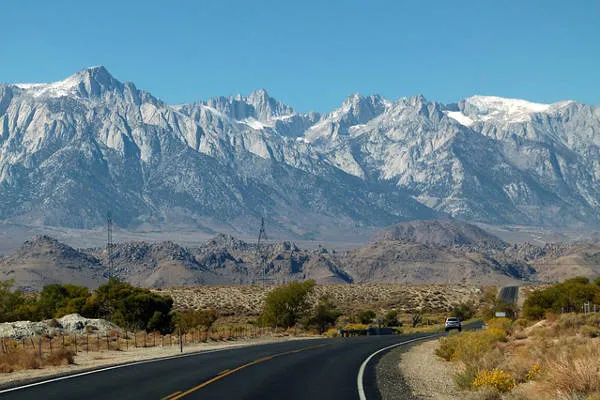 Photo: Sierra Nevada, via www.mountainiq.com
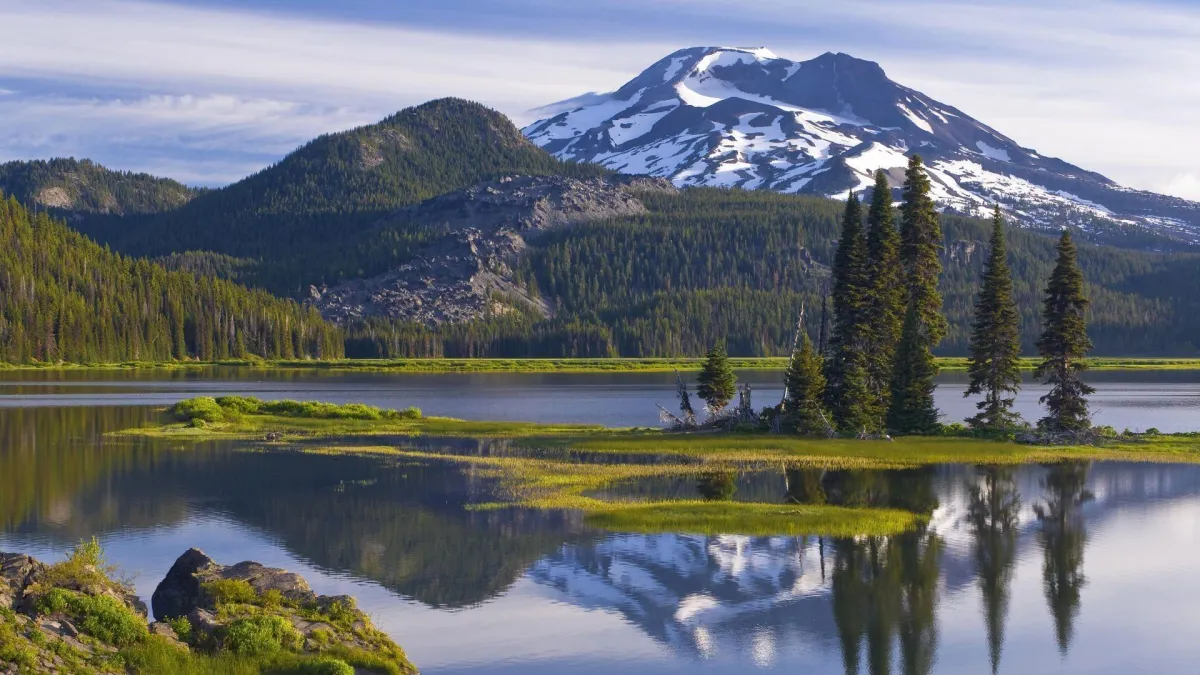 Photo: Pacific Northwest, via wallpaperaccess.com
What to Expect When You're 80 Feet Up
Fire tower accommodations range from spartan to surprisingly comfortable, but all share certain characteristics that set them apart from conventional lodging. Most feature 360-degree windows that provide stunning panoramic views — imagine waking up surrounded by nothing but mountain peaks and forest canopy stretching to the horizon.
The towers themselves are typically one or two-room structures reached by steep staircases or ladders. Many retain their original fire-spotting equipment, including the large circular maps and sighting devices once used to pinpoint smoke columns. Some even have the original logbooks where fire watchers recorded daily observations.
Utilities vary dramatically. Some towers offer electricity and basic plumbing, while others provide only the structure itself. Most fall somewhere in between, with solar power for lighting and propane for heating and cooking. Water often comes from hand pumps or must be carried in by renters.
The Ranger Cabin Alternative
For those who prefer ground-level accommodations, the program also includes hundreds of historic ranger cabins and guard stations. These range from tiny one-room shelters to substantial family-sized homes where district rangers once lived year-round.
Ranger cabins often offer more amenities than fire towers — full kitchens, multiple bedrooms, and sometimes even hot showers. They're typically located near trailheads or along historic patrol routes, providing easy access to hiking and fishing while maintaining the sense of isolation that makes these rentals special.
Some of the most popular cabin rentals sit alongside pristine mountain lakes or overlook meadows where elk and deer graze at dawn and dusk. Unlike commercial vacation rentals, these properties are maintained for historical preservation rather than maximum comfort, giving them an authentic character that money can't buy.
The $20 Mountain Resort Experience
Pricing for these accommodations seems almost absurd compared to commercial alternatives. Fire towers typically rent for $30-75 per night, with many available for under $50. Ranger cabins range from $25-150 per night, depending on size and amenities. Even the most expensive options cost less than a budget motel room, while offering experiences that five-star resorts simply cannot replicate.
The catch, of course, is that these aren't resort experiences. You'll need to bring your own bedding, food, and often water. Cell phone service is non-existent at most locations. The nearest store might be 50 miles away down winding mountain roads. But for many renters, these limitations aren't bugs — they're features.
Planning Your Historic Getaway
Successful fire tower and cabin rentals require more planning than typical vacations. Start by checking access requirements — some locations require four-wheel-drive vehicles or even hiking to reach. Winter rentals may require snowshoes or cross-country skis for the final approach.
Most rentals include basic furniture and cooking equipment, but you'll need to bring everything else: bedding, food, water (sometimes), flashlights, and any entertainment that doesn't require WiFi. Many locations provide detailed packing lists and local information to help first-time renters prepare appropriately.
Booking windows vary by location, but popular towers often open reservations exactly five months in advance. Mark your calendar and be ready to book immediately when reservations open — the best locations can sell out within hours.
Why This Matters
These historic rentals represent something increasingly rare in American travel: authentic experiences that haven't been commercialized or sanitized for mass consumption. They offer genuine solitude in an increasingly connected world, and they preserve important pieces of forest management history that might otherwise be lost.
Perhaps most importantly, they demonstrate that some of the country's best travel experiences don't require expensive marketing campaigns or luxury amenities. Sometimes the most memorable nights are spent in a 90-year-old fire tower, watching storms roll across mountain valleys while elk bugle in the darkness below.
For Americans willing to trade room service for stargazing and WiFi for wildlife watching, these hidden gems offer something no commercial accommodation can provide: the chance to sleep where forest guardians once protected millions of acres of wilderness, and to experience the landscape exactly as they saw it decades ago.