Breathe Easy: The Desert Towns America Built Just for Sick Lungs
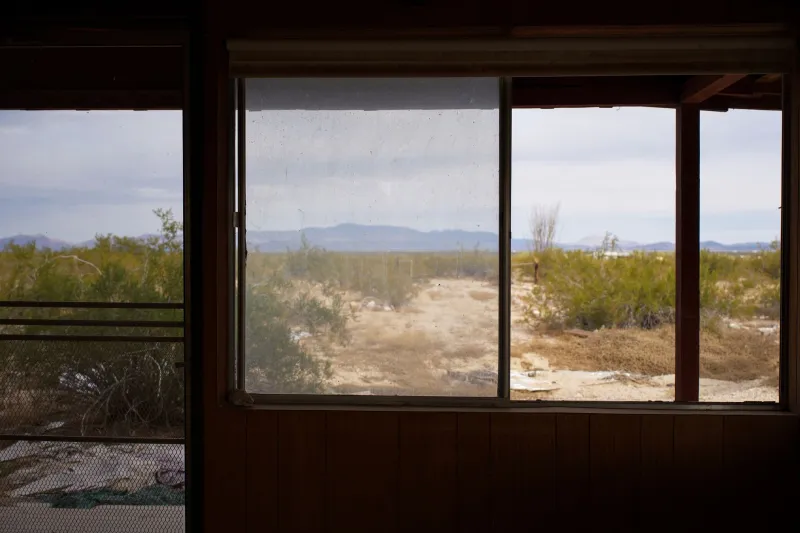
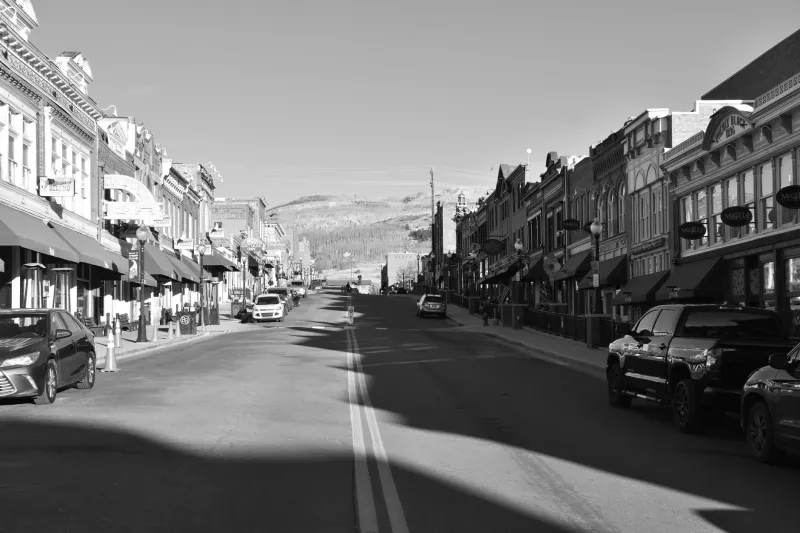
There's a particular kind of town you'll find scattered across the American Southwest — quiet, sun-bleached, with wide streets and older buildings that feel slightly too large for the population that currently lives there. Tucson. Las Cruces. Albuquerque. Prescott. These places have a charm that's hard to pin down, and most visitors assume it's just the landscape doing the work. But there's a stranger explanation hiding in plain sight.
These towns were once medical destinations. Not spas, not wellness retreats — actual places where physicians sent dying patients and told them to stay.
The Prescription Nobody Talks About
From roughly the 1880s through the 1940s, a significant portion of American medicine was built around a concept called "climate therapy" — and for patients with tuberculosis, asthma, or chronic bronchitis, the preferred climate was the dry, high-altitude air of the desert Southwest.
Tuberculosis alone killed more Americans in the 19th century than almost any other disease. Before antibiotics arrived in the late 1940s, doctors had almost nothing useful to offer. What they did notice, over decades of observation, was that patients who relocated to dry, dusty, sun-drenched regions sometimes improved dramatically. They breathed easier. Their symptoms slowed. Some recovered entirely.
So physicians started writing it down as treatment. Go west. Go dry. Stay there.
The patients who followed this advice were called "health seekers," and they arrived by the tens of thousands. Some were wealthy enough to check into dedicated sanatoriums. Many more simply rented rooms in private homes or boarded with local families. Entire neighborhoods in Tucson were built with wide porches specifically designed for patients to sleep outside in the night air — a practice doctors swore by.
Towns That Grew Up Around Sick Lungs
What's remarkable is how thoroughly these communities were shaped by their medical identity. Tucson in the early 20th century had a higher per-capita rate of sanatoriums than almost any city in the country. Local newspapers ran advertisements for "health cottages." Restaurants promoted menus designed for patients on restricted diets. The economy was, in a very real sense, built on illness.
El Paso, Texas marketed itself openly as a health destination, publishing brochures that cited its altitude, its sunshine hours, and the specific dryness of its air as selling points for the sick. Albuquerque went further, publishing data on its mortality rates — which were, counterintuitively, used as positive advertising. The argument was that so many people came there to die, and so few actually did, that the numbers proved the climate worked.
Small towns like Deming, New Mexico and Wickenburg, Arizona built entire economies around the arrival of health seekers. Hotels, boarding houses, and sanatoriums dominated their commercial strips. Local guides were trained not as tour operators but as something closer to recovery coaches.
Some of the most famous Americans to seek desert healing include Doc Holliday — yes, the gunfighter — who came to Arizona specifically because his tuberculosis had made life in the East unbearable. He died in Glenwood Springs, Colorado in 1887, but he spent years in the Southwest convinced the air was buying him time. Many historians think he was right.
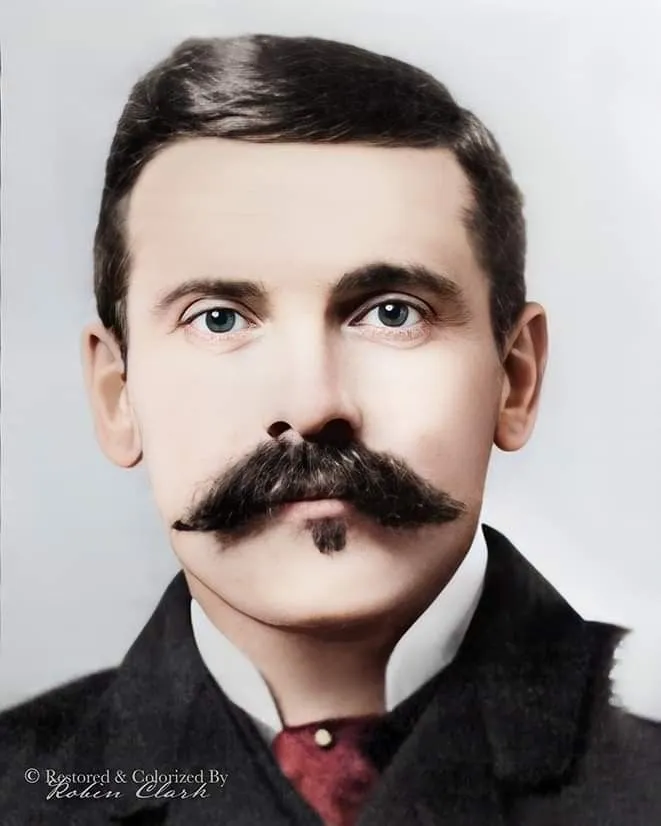 Photo: Doc Holliday, via i.pinimg.com
The Science They Were Onto
Here's the part that surprises most people: the doctors weren't entirely wrong.
Dry air genuinely reduces the airborne transmission of certain respiratory pathogens. Low humidity means mucus membranes don't become as congested. High altitude thins the air, which forces the respiratory system to work more efficiently over time. Abundant sunlight drives up vitamin D levels, which plays a real role in immune function. And the near-absence of mold, pollen, and certain allergens in desert environments provides genuine relief for asthma sufferers.
None of that cures tuberculosis. But it can absolutely slow its progression and ease symptoms in ways that made a measurable difference to patients who had no other options.
Modern pulmonologists still occasionally discuss dry-climate relocation with patients who have severe chronic asthma or certain interstitial lung diseases. The conversation is less formal than it once was — nobody's writing "move to Tucson" on a prescription pad — but the underlying logic hasn't been entirely discarded either.
What Happened to the Health Towns
Antibiotics changed everything. When streptomycin arrived in the late 1940s and proved it could actually kill Mycobacterium tuberculosis, the entire rationale for climate therapy collapsed almost overnight. Sanatoriums closed. Health seekers stopped coming. The towns that had organized themselves around sick lungs had to find new identities fast.
Most of them pivoted to retirement communities and tourism — and succeeded, largely because the same qualities that made the desert good for sick lungs also made it pleasant for healthy retirees. Tucson, Scottsdale, and Albuquerque grew into substantial cities. Smaller towns faded quietly.
The sanatorium buildings themselves are a fascinating category of forgotten architecture. Some were converted into hotels or apartments. Others were demolished. A few still stand, repurposed as office buildings or community centers, their wide porches still intact but no longer lined with reclining patients.
A Reason to Go
If you've ever dealt with chronic sinus issues, asthma, or just the grinding respiratory misery of a humid Midwestern winter, there's something quietly compelling about planning a trip to southern Arizona or New Mexico in January or February. Not as a medical treatment — but as a reminder that sometimes the oldest instincts point somewhere worth going.
The towns are still there. The air is still dry. And the porches, where they survive, are still wide enough to sleep on.
America built these places for a reason. It just forgot to mention what that reason was.