The Boarder in the Parlor: How Renting to Strangers Was Once the Most American Thing You Could Do
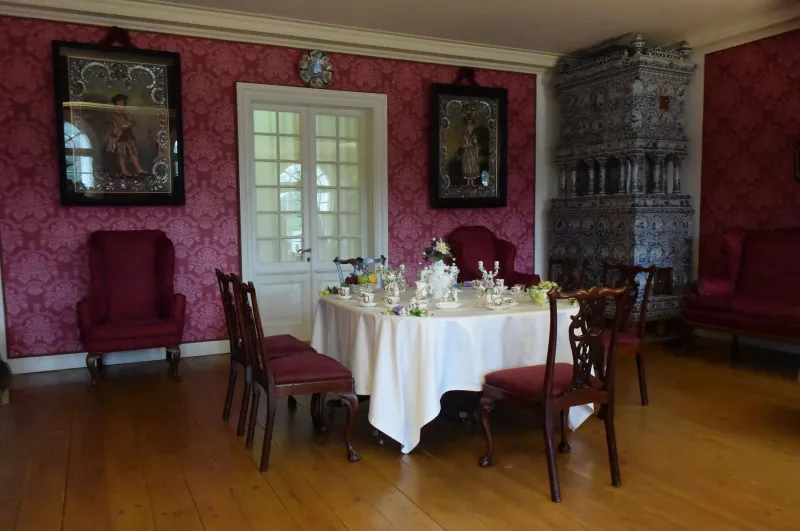
Imagine knocking on a stranger's door in 1890s Philadelphia, handing over a few dollars, and spending the next three years sleeping in their front room, eating at their table, and becoming — in some complicated, unspoken way — part of their household. No app. No star rating. No cancellation policy. Just a handshake, a shared pot of coffee, and an arrangement that half the city was running at any given moment.
This was the boarding house economy, and for roughly a century, it was one of the most widespread financial strategies in American life. Not a last resort. Not a sign of poverty. Just something ordinary people did.
A National Habit Nobody Talks About
By the late 1800s, census records suggest that somewhere between 25 and 50 percent of urban American households either took in boarders or were boarders themselves at some point in their lives. That number is staggering when you sit with it. We're not talking about a niche practice or a regional quirk — this was a mainstream economic engine that hummed quietly inside millions of homes from Boston to San Francisco.
The reasons were practical. Owning a home was expensive, and a family with a spare bedroom was sitting on untapped income. A single boarder could cover a meaningful portion of a household's monthly expenses. Two boarders could practically pay the mortgage. For widows especially, taking in boarders was often the difference between staying in the family home and losing it entirely.
But here's the part that gets overlooked: the people doing the renting weren't running mini-hotels. They were inviting strangers into the rhythms of daily life — the dinner table, the sitting room, the morning routine. And a whole invisible code of conduct developed around how that was supposed to work.
The Unwritten Rules of the Shared Parlor
Boarding arrangements came with social expectations that were rarely spelled out but universally understood. A good boarder kept reasonable hours. They didn't bring loud company home. They complimented the food even when it was questionable. A good landlady — and it was almost always a woman managing these arrangements — kept the rooms clean, the meals consistent, and maintained a careful neutrality between any boarders who didn't get along.
There were class gradations baked into the whole system. A "respectable" boarding house served hot meals at a communal table, offered a proper parlor for receiving guests, and screened tenants carefully. Lower-tier lodging houses were less particular. The distinction mattered enormously to the people involved, and a boarding house's reputation traveled fast through word of mouth in ways that would feel familiar to anyone who's ever obsessively read Airbnb reviews.
Some of the most fascinating social mixing in American history happened at these tables. A factory worker might sit across from a traveling salesman, a schoolteacher, and a recent immigrant — all paying the same weekly rate, all navigating the same household rules. Cities were segregated in countless ways, but the boarding house table had its own strange democracy.
How Boarding Houses Shaped the Neighborhoods You Know
Architects and urban historians have noted something remarkable: the physical layout of 19th-century American row houses and urban homes was often designed with boarders in mind. Front parlors that could double as private sitting rooms. Wide center hallways that allowed multiple tenants to move through the house without crossing through each other's spaces. Extra bedrooms tucked above the main floor with their own small staircases.
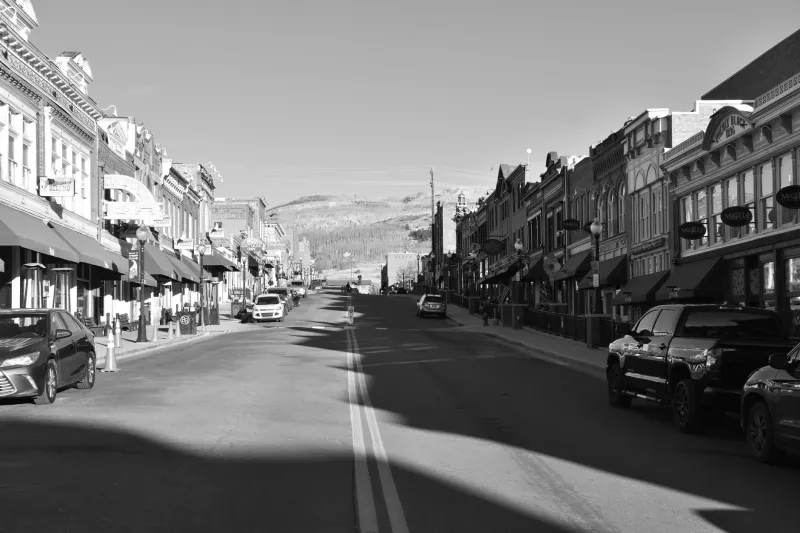
Entire neighborhoods in cities like Baltimore, Chicago, and New Orleans developed around the boarding house economy. Streets filled with three-story townhouses weren't just family homes — they were income-generating machines, and their architecture reflected that dual purpose.
 Photo: New Orleans, via c8.alamy.com
When zoning laws tightened in the mid-20th century and single-family residential designations became the norm across suburban America, this whole ecosystem quietly collapsed. The houses stayed. The economic logic that built them got zoned out of existence.
The Loneliness We Built Into Our Floor Plans
There's a social cost to this story that doesn't show up in any official record. The boarding house wasn't just an economic arrangement — it was an accidental community builder. Young people who moved to cities for work landed in households instead of apartments. They had built-in neighbors, someone who knew if they hadn't come home, someone to ask about a good doctor or a decent job lead.
Sociologists who study loneliness and urban isolation have pointed to the mid-century shift toward single-occupancy apartments and suburban single-family homes as a significant turning point in how Americans experience community. The boarding house, for all its awkwardness and lack of privacy, forced a kind of social contact that modern housing design specifically avoids.
Sound Familiar?
The rise of Airbnb, co-living spaces, and multigenerational housing arrangements in the 2010s and 2020s looks like a new idea. It isn't. It's closer to a rediscovery — a slow recognition that the model American families practiced for generations had something going for it beyond just the economics.
The difference today is that the transaction is mediated by an app and governed by corporate terms of service rather than neighborhood reputation and a landlady's personal judgment. Whether that's better or worse probably depends on which side of the arrangement you're on.
What's certain is that millions of Americans once opened their homes to strangers as a matter of course, navigated the whole complicated social experiment of sharing space with people they didn't choose, and built something — a neighborhood fabric, an informal safety net, a kind of daily community — that we've spent the last seventy years designing our homes to prevent.
Maybe the parlor boarder wasn't such a strange idea after all.