Memorize a Train Schedule, Write a Letter That Always Gets Answered: Lost Skills From America's Self-Improvement Shelf

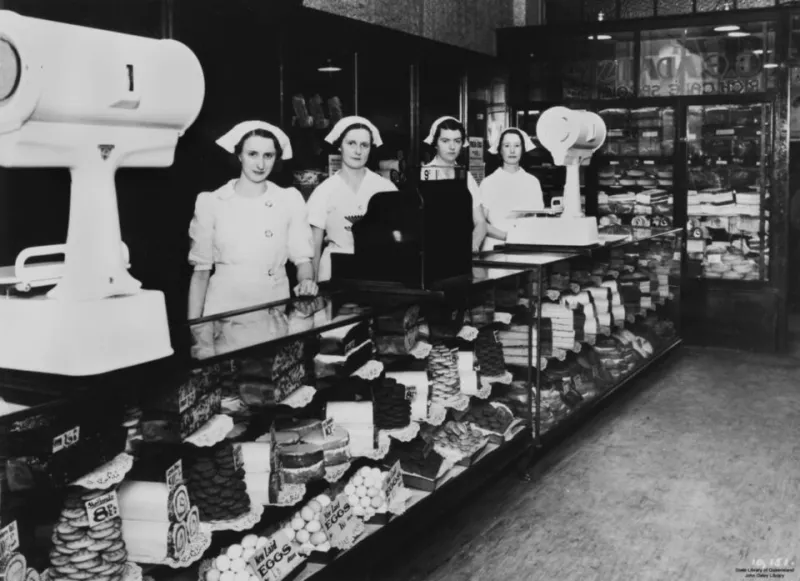
Photo: Unknown, CC BY-SA 4.0, via Wikimedia Commons
Walk into any American bookshop in the 1880s and you'd find a shelf that has mostly vanished: the self-improvement manual. These weren't general advice books. They were surgical, oddly specific, and wildly confident — slim volumes promising to teach you how to memorize anything, write letters that demanded answers, and hold your own in conversation with strangers. Most are forgotten now. But the skills inside them are not only real — several are surprisingly easy to resurrect.
1. The Memory System That Could Hold a Train Timetable
Books like William Joseph Ennis's forgotten memory manuals sold thousands of copies on a single promise: you could learn to recall entire railroad schedules, lists of dates, and pages of figures using a technique called mnemotechny. The core trick was converting numbers into vivid images — a system related to the 'major method' still used by competitive memory champions today. Each digit got a sound; each sound became a picture; and suddenly a train departure time wasn't an abstraction but a scene your brain couldn't lose.
Try it: Pick ten items to remember — a grocery list works. Convert each one into a ridiculous mental image and chain them together into a single absurd story. The stranger the story, the better it sticks. This is the same trick, minus the train schedules.
2. The Letter-Writing Formula That Guaranteed a Reply
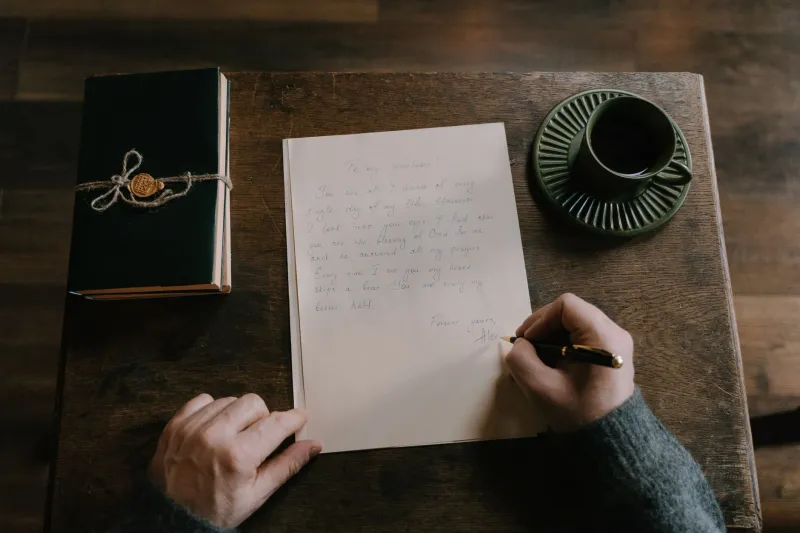
Victorian letter-writing manuals — the ancestors of every 'how to write a follow-up email' article — treated correspondence as a science. The best of them, like the popular handbooks published under titles such as The Letter-Writer's Own Book, included page after page of fill-in-the-blank templates: letters of introduction, letters of condolence, and, most cunningly, letters designed to make silence impossible. The formula was simple: open with a specific shared memory, make one concrete request, and end with a question that required an answer. Flattery was rationed. Vagueness was forbidden.
Try it: Next time you want an actual reply — not a thumbs-up emoji — open with a specific detail only the two of you would know, ask for exactly one thing, and end with a real question. It works on Victorians and on your group chat.
3. The Art of Reading a Room Before You Spoke
Self-improvement culture in the 1800s was obsessed with conversation as a learnable skill. Manuals with titles like How to Talk: A Pocket Manual of Conversation (yes, that was a real book, 1881) coached readers on the lost art of the open-ended question — drawing people out by asking about their experiences rather than stating your own opinions. The advice reads like a modern coaching seminar, except it was aimed at farmers, clerks, and young people heading to the city.
Try it: In your next conversation, count your statements versus your questions. The old manuals recommended a ratio most of us have never once achieved.
4. Penmanship as a Career Move
Before typing, handwriting was a job qualification, and penmanship manuals like the famous Spencerian copybooks — the system that gave Coca-Cola its script — were bestsellers. But the quirkier corners of the genre went further: some claimed your handwriting could be systematically improved to signal discipline and intelligence, and employers agreed. A beautiful hand could get a clerk hired on the spot.
Try it: Ten minutes of copying a sentence in slow, deliberate strokes — the actual Spencerian drill — is oddly meditative, and it's the rare skill you can watch improve within a week.
5. The 'Commonplace Book' — a Second Brain on Paper
Long before note-taking apps, students and professionals kept commonplace books: personal notebooks where they copied quotes, ideas, and observations, organized by topic rather than chronologically. Dozens of 19th-century guides explained the method, treating it as the foundation of an educated mind. The idea wasn't to save everything — it was to force yourself to decide what was worth keeping.
Try it: Start one notebook where everything you save lands in a category — ideas, phrases, questions. The act of categorizing, not saving, is where the learning happens.
6. Mental Arithmetic Without Paper
Books like How to Calculate Quickly and its many cousins taught lightning mental math using tricks most schools never mention: multiplying by 5 by halving and shifting, checking arithmetic with 'casting out nines,' and estimating totals before calculating them. These books were pitched at shopkeepers, but the methods were pure brain training.
Try it: Casting out nines — cross-summing digits to verify a calculation — is a two-minute learn and a genuinely satisfying party trick.
7. The Lost Art of the Personal Advertisement
Perhaps the strangest shelf occupant: manuals teaching Americans how to introduce themselves to strangers in a new town, write classified ads, and even respond to the era's personal ads safely. The advice was startlingly practical — verify claims, meet in public, watch for inconsistencies — basically 1880s internet-safety guidance, delivered by mail.
Try it: Write a three-sentence introduction of yourself as if answering a personal ad. Most people find it harder than expected — which is exactly why the manuals existed.
Why the Shelf Disappeared — and Why It's Worth Rebuilding
Formal schooling absorbed some of these skills, technology deleted others, and the self-help industry moved on to bigger, vaguer promises. But there's something refreshing about these old books: they assumed intelligence could be trained through specific, boring, repeatable drills. No hacks, no shortcuts — just systems.
A few of them are sitting in the public domain, scanned and free online, waiting for anyone curious enough to open one. The Victorians would be smug about that. They did tell us memory was trainable.