When Clouds Had Names and Winds Told Tomorrow's Story
When Clouds Had Names and Winds Told Tomorrow's Story
Your great-grandfather could tell you it would rain three days from Tuesday just by looking at the sky. He didn't need a weather app, satellite imagery, or even a barometer. He had something most of us have lost entirely: the ability to read the sky like a book.
For over two centuries, American farmers, sailors, and anyone whose livelihood depended on weather developed an intricate system of atmospheric observation that was surprisingly accurate. This wasn't folklore or superstition—it was practical science disguised as common sense, passed down through generations of people who couldn't afford to be wrong about tomorrow's weather.
The Language of Clouds
The foundation of traditional weather prediction lay in understanding cloud types and their behavior patterns. Farmers didn't just see "clouds"—they recognized distinct formations that told specific stories about atmospheric conditions.
Mackerel skies, those rippled clouds that look like fish scales, warned of changing weather within 24 hours. When old-timers saw these high, thin clouds stretching across the horizon, they knew a weather front was approaching. Modern meteorology confirms this: these altocumulus clouds often appear ahead of warm fronts.
Mare's tails—those wispy, streaky clouds that look like a horse's tail—signaled strong winds aloft and weather changes within 36 hours. Today's weather forecasters call them cirrus clouds, and they're still one of the most reliable indicators of approaching storm systems.
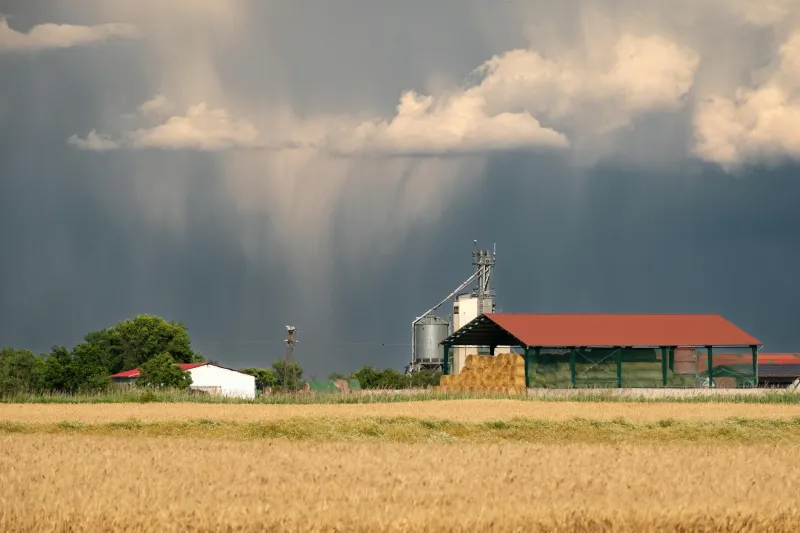
Perhaps most important were the "thunderheads"—massive, towering cumulus clouds that could build from innocent puffs into anvil-shaped monsters in a matter of hours. Experienced farmers could judge the severity of approaching storms by watching how quickly these clouds developed and which direction their tops leaned.
Wind Patterns That Spoke Volumes
While clouds provided the headlines, wind patterns filled in the details. American weather readers developed an intimate understanding of how wind direction and behavior predicted specific conditions.
A backing wind—one that shifted counterclockwise—almost always meant deteriorating weather. When the wind moved from south to southeast to east, farmers knew to secure loose items and prepare for storms. A veering wind (clockwise) typically brought clearing skies and improving conditions.
The strength and steadiness of wind also told stories. A sudden calm after steady breezes often preceded severe weather. Gusty, erratic winds suggested unstable atmospheric conditions and possible thunderstorms. Sailors on the Great Lakes became particularly expert at reading these patterns, as their lives literally depended on accurate weather prediction.
Nature's Weather Station
Beyond clouds and wind, traditional weather readers paid attention to dozens of natural indicators that modern science has validated. Smoke that hugged the ground instead of rising indicated stable, high-pressure conditions and fair weather. When smoke rose straight up and dispersed quickly, it suggested unstable air and possible storms.
Animal behavior provided additional clues. Cattle lying down together often indicated rain within hours—they were seeking dry ground before the storm arrived. Birds flying lower than usual suggested dropping barometric pressure. Even spiders rebuilt their webs before storms, creating stronger structures to survive the wind.
Temperature and humidity changes that most people barely notice became precise instruments in skilled hands. A sudden drop in temperature during summer afternoons often preceded severe thunderstorms. Unusual humidity that made clothes feel damp warned of approaching weather fronts.
The Science Behind the Folklore
What makes these traditional methods remarkable is how often they align with modern meteorological understanding. Those mackerel skies really do indicate approaching fronts. Backing winds genuinely signal deteriorating weather. The animals weren't being mystical—they were responding to barometric pressure changes humans couldn't consciously detect.
Many traditional weather signs work because they identify atmospheric patterns that modern instruments measure differently but observe similarly. A farmer watching cloud formations was essentially doing visual meteorology, tracking the same pressure systems and air masses that today's weather models predict.
Where This Knowledge Survives
While most Americans have lost these sky-reading skills, pockets of traditional weather knowledge persist. Some farming communities in the Midwest still teach young people to recognize weather patterns. Sailors on the Great Lakes and coastal waters often combine traditional observation with modern forecasting.
A few rural weather enthusiasts have even started teaching workshops on traditional weather prediction, recognizing that this knowledge represents centuries of accumulated wisdom about local weather patterns that GPS and satellite technology can't replicate.
Reading Your Own Sky
The next time you step outside, try looking up with the eyes of a traditional weather reader. Notice cloud shapes and how they change throughout the day. Pay attention to wind direction and whether it shifts. Watch how smoke rises from chimneys or campfires.
You won't become an expert overnight, but you might start noticing patterns your ancestors would have recognized immediately. In a world where we've outsourced weather prediction to apps and algorithms, there's something deeply satisfying about reading tomorrow's story written across today's sky.
After all, the clouds are still speaking the same language they always have. We've just forgotten how to listen.