Ghost Stops: The Vanished Rail Lines That Once Put Forgotten American Towns on the Map
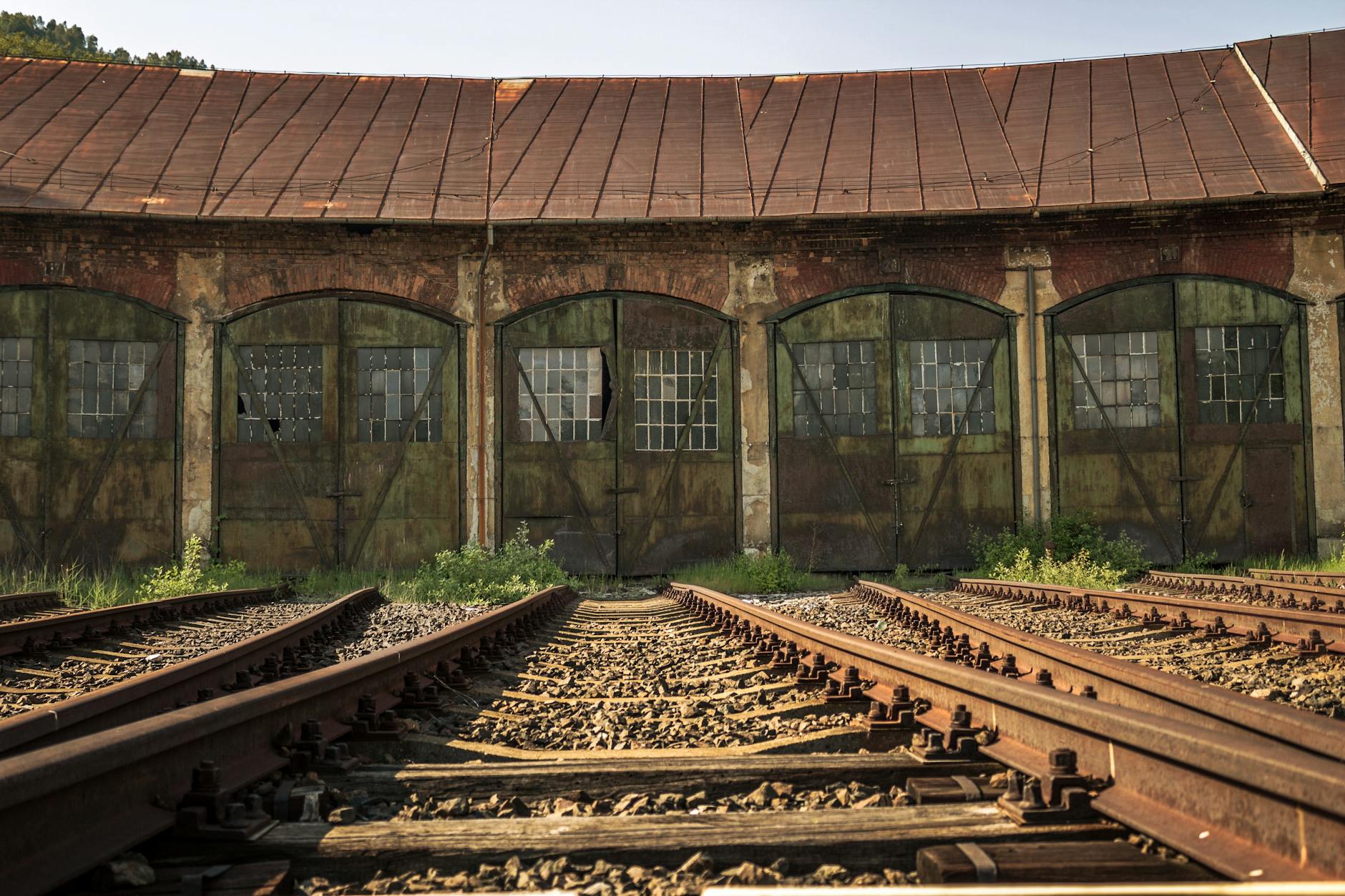
The America That the Highway Skipped
Somewhere between the invention of the automobile and the ribbon-cutting ceremonies of the Interstate Highway System, something quietly disappeared from American life. It wasn't dramatic. There were no explosions, no famous last words. Stations just closed. Schedules shrank. And entire communities — once stitched into the national fabric by steel rail and steam — slowly faded from the collective travel imagination.
Before the 1950s, passenger rail in the United States was genuinely extraordinary in its reach. The network didn't just connect New York to Chicago or Los Angeles to San Francisco. It reached into places. Mountain towns in the Appalachians. Fishing villages on the Gulf Coast. High-desert communities in the Southwest that had no other practical road access. If you lived somewhere in early 20th-century America, there was a reasonable chance a train could get you there.
That era is gone. But the towns it served? Many of them are still standing.
The Lines That Disappeared First
The story of American rail contraction is largely the story of the 1950s and 60s. The Federal Aid Highway Act of 1956 poured billions into interstate construction, and suddenly the economics of maintaining a passenger train to a town of 800 people stopped making sense to shareholders. Regional railroads folded, merged, or quietly dropped their passenger service while keeping freight routes alive.
Some of the most remarkable losses were the so-called "branch lines" — the smaller arteries that fed off major corridors and reached communities that weren't on anyone's main route. The Southern Railway's network through western North Carolina, for instance, once carried passengers into towns like Bryson City and Andrews — places tucked so deep into the Smokies that even today, getting there requires winding two-lane mountain roads and a certain commitment to the journey.
The Colorado Midland Railway, which operated from the 1880s until 1918, punched through some of the most dramatic mountain terrain in the Rockies, connecting Leadville and Aspen to the broader rail network at a time when those towns were genuine economic centers. When the line folded, it wasn't just a transportation loss — it was a kind of cultural severance. Towns that had been accessible became remote almost overnight.
Out on the Gulf Coast, the Louisville and Nashville Railroad once ran passenger service through tiny Alabama and Mississippi communities that today see almost no tourist traffic despite sitting near genuinely beautiful stretches of coastline and bayou country.
What Those Towns Look Like Now
Here's the interesting twist: because those places were cut off from the main currents of American travel, many of them were also spared from the homogenizing forces of tourism development. They didn't get the chain hotels. They didn't get the branded restaurant strips. What they got instead was time — and a kind of accidental preservation.
Take Thurmond, West Virginia. Once a bustling railroad town on the Chesapeake and Ohio Railway, it processed more freight tonnage in the early 1900s than Cincinnati. Today, fewer than five people live there year-round. The old bank building still stands. The depot still stands. The New River Gorge National Park, which surrounds it, has brought some hikers through in recent years — but Thurmond itself remains one of the most eerily intact ghost railroad towns in the eastern United States.
Or consider Antonito, Colorado, the southern terminus of the Cumbres and Toltec Scenic Railroad — one of the few surviving narrow-gauge steam railroads in the country. The town is small, unhurried, and almost completely unknown outside of railroad enthusiasts. But the scenery the train travels through, climbing toward the New Mexico border through high-mountain meadows and aspen groves, is legitimately spectacular.
Getting There Without a Time Machine
The good news is that "off the rail map" doesn't have to mean unreachable. Amtrak still operates a handful of routes that touch genuinely undervisited territory — the Cardinal line through West Virginia's New River Gorge, the Sunset Limited across the Gulf Coast and into the desert Southwest, and the Empire Builder through the northern Rockies and plains all pass through landscapes and communities that feel genuinely removed from mainstream travel.
For the truly adventurous, several heritage railroads now operate over segments of historic routes, offering not just a scenic ride but a functional way to access towns that have no other public transit. The Great Smoky Mountains Railroad out of Bryson City, North Carolina, runs through some of the same mountain corridors the Southern Railway once served.
And for road-trippers willing to follow old rail corridors by car, the rewards are real. The routes of former lines often became county roads or state highways, and the towns they once served tend to cluster along those same paths — small, overlooked, and frequently fascinating.
Why It Matters Beyond Nostalgia
There's something more than sentimentality at work here. As Americans rediscover the appeal of slower travel — weekend road trips, scenic byways, the deliberate rejection of over-touristed destinations — these forgotten rail corridors offer a kind of ready-made itinerary. The infrastructure that once connected them is mostly gone, but the places themselves remain. Stubbornly, quietly, remarkably intact.
The interstate system gave America speed and convenience. What it took away, without anyone quite voting on it, was access to a different kind of place — towns that existed on their own terms, that weren't built around the tourist gaze, that simply were.
Some of them still are. You just have to know where to look.