The National Forests That Don't Show Up in Travel Guides — And That's Exactly Why You Should Go
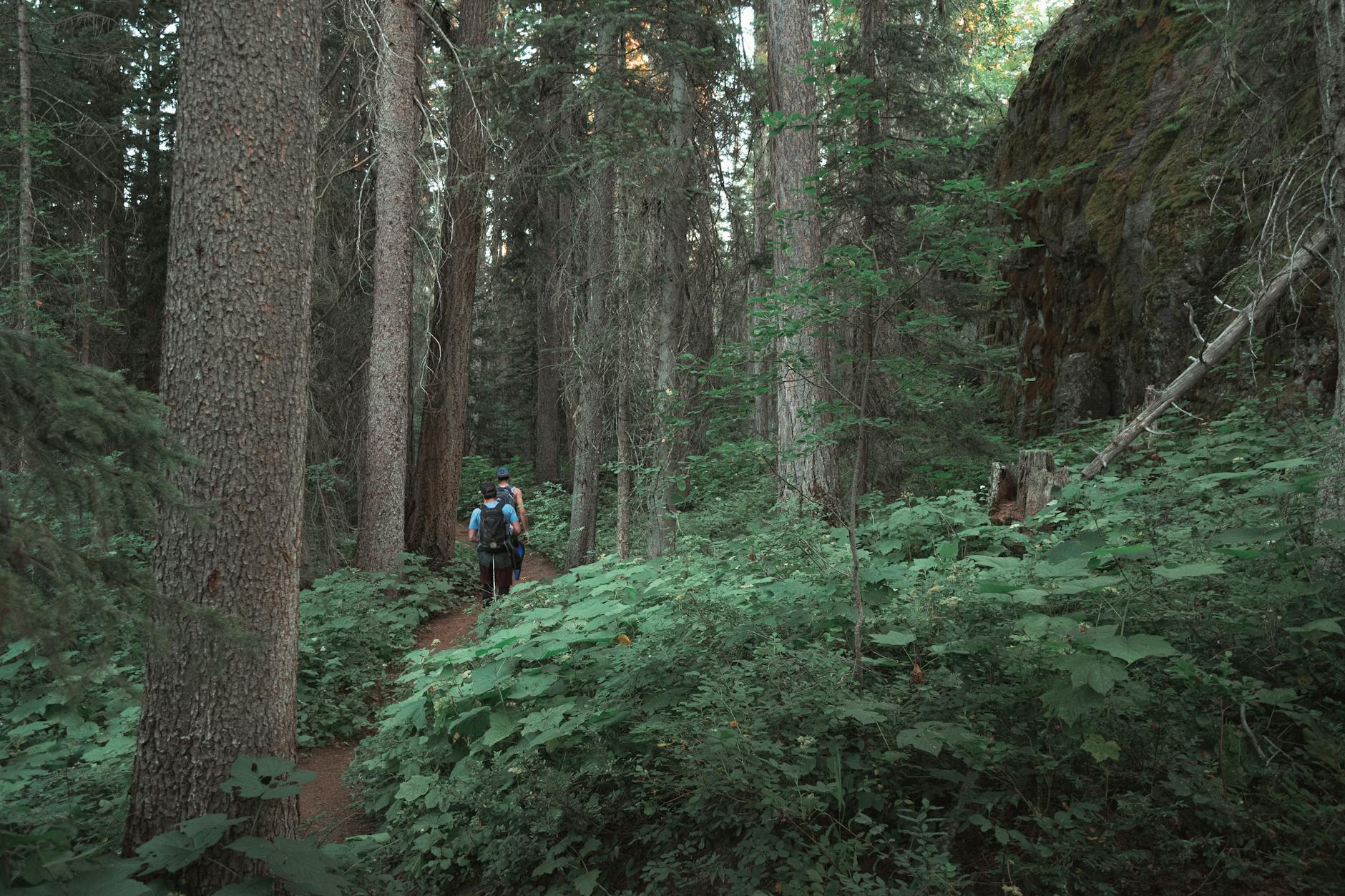
The National Forests That Don't Show Up in Travel Guides — And That's Exactly Why You Should Go
Something strange happens every summer across America. Millions of people sit in traffic outside Glacier National Park, refresh a reservation page for Yosemite camping permits, and elbow past strangers on the Appalachian Trail's most photographed stretches — all while roughly 193 million acres of National Forest land sits nearby, largely unvisited, requiring no reservation, no timed entry, and in most cases, no entrance fee.
The National Forest system is one of the most underused assets in American public land. It's not a secret, exactly — the US Forest Service manages it, the maps are public, and the land has been there for over a century. But somewhere along the way, the travel industry developed a near-exclusive fixation on National Parks, and the forests got quietly overlooked.
Here's what that oversight actually looks like — and seven places where it works entirely in your favor.
Why Forests Get Skipped
Before the list, it's worth understanding the dynamic. National Parks have visitor centers, Instagram-famous viewpoints, and a century of marketing behind them. National Forests have trailheads, dispersed camping, and a Forest Service website that hasn't always been the easiest thing to navigate.
The result is a comically lopsided distribution of visitors. Great Smoky Mountains National Park sees over 12 million visitors a year. The Nantahala National Forest — which literally borders it in western North Carolina — sees a fraction of that, despite containing equally rugged terrain, waterfalls, and wildlife.
That gap is your opportunity.
The one search trick worth knowing: go directly to the US Forest Service's website (fs.usda.gov) and use the interactive map to filter by region and activity. Most travelers never think to check it. The ones who do find a completely different America.
1. Ouachita National Forest — Arkansas and Oklahoma
Stretch across nearly 1.8 million acres of the Ouachita Mountains, and you'll find ancient folded ridgelines, crystal-clear streams, and one of the most underappreciated long-distance trails in the country — the Ouachita National Recreation Trail, running 223 miles from Talimena State Park in Oklahoma to Pinnacle Mountain in Arkansas. Hot Springs, Arkansas sits at its eastern edge, which means you can soak in thermal spring water and then disappear into old-growth forest the next morning. Crowds are minimal even on holiday weekends.
2. Tongass National Forest — Southeast Alaska
The largest National Forest in the United States — the largest in the entire federal system, at nearly 17 million acres — and one of the least visited per square mile of any public land in the country. The Tongass covers most of southeastern Alaska's panhandle: ancient temperate rainforest, fjords, glaciers, brown bears, and humpback whales. Access requires a ferry or small plane, which filters out the casual visitor entirely. For anyone willing to make the trip, the reward is a landscape that feels genuinely untouched in a way that almost nothing else in the Lower 48 can approximate.
3. Hiawatha National Forest — Michigan's Upper Peninsula
The UP gets some attention, but most of it concentrates around Pictured Rocks National Lakeshore. The Hiawatha, which flanks it, offers Lake Superior shoreline, interior lakes, old-growth hemlock stands, and a network of forest roads that are essentially empty outside of hunting season. In fall, the color display rivals anything in Vermont — without the leaf-peeper traffic.
4. Apache-Sitgreaves National Forest — Arizona
Most people think of the Sonoran Desert when they think of Arizona. The Apache-Sitgreaves sits on the Mogollon Rim — a 200-mile escarpment that drops dramatically from high pine forest to desert below — and offers an Arizona that looks almost nothing like the postcard version. Ponderosa pine forests, trout streams, and the Mogollon Rim itself provide scenery that regularly stops first-time visitors cold. Summer temperatures here run 20 to 30 degrees cooler than Phoenix. The forest roads are largely empty.
5. Shoshone National Forest — Wyoming
Yellowstone and Grand Teton absorb nearly all of Wyoming's tourism attention. The Shoshone, which directly borders both, is the oldest National Forest in the US — established in 1891 — and contains the Absaroka and Wind River mountain ranges, with peaks topping 13,000 feet. The Fitzpatrick Wilderness within the Shoshone is genuinely remote and sees so few visitors that wildlife encounters are routine and trail solitude is essentially guaranteed. All of this sits within a two-hour drive of Cody.
6. Daniel Boone National Forest — Kentucky
Eastern Kentucky doesn't usually appear on adventure travel itineraries, which is precisely why the Daniel Boone remains so accessible. The Red River Gorge Geological Area within it offers sandstone arches, cliff bands, and river gorges that would be mobbed if they were located anywhere near a major metro. Rock climbers have known about it for decades. Almost everyone else hasn't caught on. Free dispersed camping is available throughout, and the gorge's trail network is extensive enough to absorb a week of exploration without repetition.
7. Gifford Pinchot National Forest — Washington State
Mount Rainier gets the postcards. Mount St. Helens gets the geology tourism. The Gifford Pinchot, which surrounds St. Helens and stretches south toward the Columbia River Gorge, gets comparatively little. It contains Indian Heaven Wilderness — a high plateau of volcanic lakes and meadows that is one of the quietest places in the Pacific Northwest — plus the Ape Cave lava tube, a 2.5-mile underground passage that maintains a constant 42 degrees year-round and requires nothing but a flashlight to explore. Admission: free.
The Bigger Picture
This isn't about avoiding National Parks forever. Yellowstone is extraordinary. The Grand Canyon deserves its reputation. But the travel infrastructure that has grown up around those places — the timed entries, the permit lotteries, the surge pricing at nearby hotels — has made spontaneous, immersive outdoor experience increasingly difficult to access.
The National Forests were always there as an alternative. They still are. They're just waiting for people to remember they exist.
Check the Forest Service map. Pick a forest you've never heard of. Show up without a reservation.
That used to be the whole point of American wilderness.