Carved Into the Hillside: The Radical Underground Homes America Almost Adopted
Carved Into the Hillside: The Radical Underground Homes America Almost Adopted
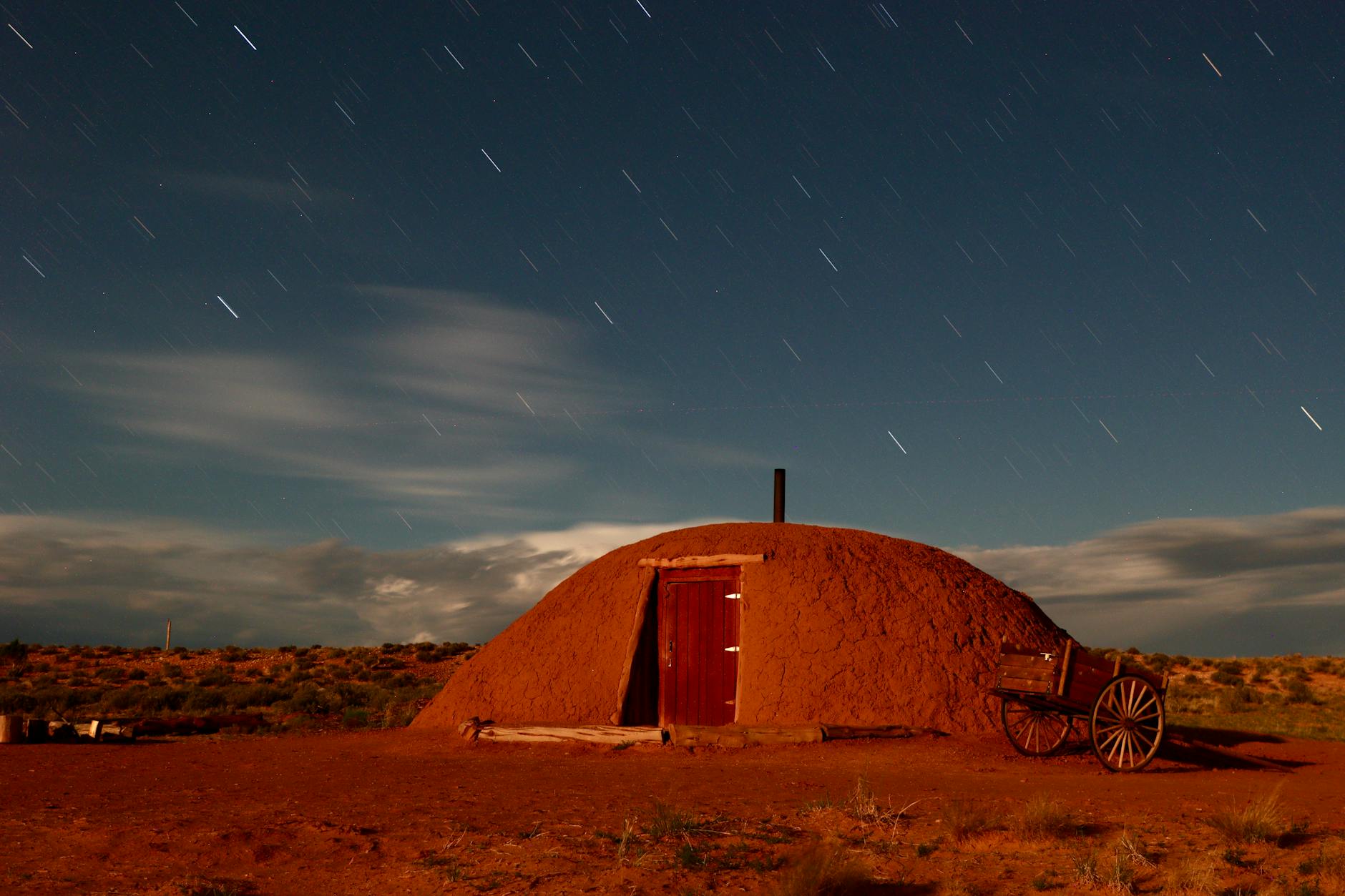
Somewhere in the high desert of New Mexico, tucked into a sun-baked hillside off a road that most people drive straight past, there are homes you almost can't see. No solar panels on the roof. No humming AC units bolted to the wall. Just a door built into the earth, a few carefully placed windows, and an interior that holds a steady 65 degrees year-round — entirely on its own.
This isn't a bunker. It's not a survivalist compound. It's actually a pretty elegant solution to a problem that's been getting worse for decades: the cost of keeping a house livable in extreme heat.
And the wild part? Americans were quietly experimenting with this idea back in the 1970s — and then almost entirely forgot about it.
When the Lights Went Out and the Heat Stayed On
The 1973 oil embargo didn't just cause lines at gas stations. It sent a shockwave through how Americans thought about energy at home. Heating oil prices spiked. Electricity bills became a genuine household crisis. And in places like Arizona, New Mexico, and southern Utah — where summer temperatures routinely crack 105°F — the question of how to stay cool without burning through fuel became genuinely urgent.
A loose network of architects, back-to-the-land idealists, and practical desert dwellers started looking at an old idea with fresh eyes: building into the ground rather than on top of it.
The concept wasn't new. The ancient Anasazi had been doing it for centuries in the same region. The opal-mining town of Coober Pedy in Australia had famously moved underground to escape its own brutal summers. But in 1970s America, a handful of communities and individual builders began quietly experimenting with what they called "earth-sheltered" or "earth-integrated" housing — structures where the surrounding soil itself acted as insulation, keeping interiors cool in summer and warm in winter through the simple physics of thermal mass.
Architects like Malcolm Wells became something of a quiet evangelist for the idea, publishing manifestos and design guides that circulated mostly through alternative press and architecture schools. Homes went up — or rather, went in — across the Southwest. Some were carved directly into hillsides. Others were built at grade level and then bermed with soil on three sides. A few ambitious projects created small underground neighborhoods.
So Why Didn't It Catch On?
Honestly? A few reasons, and none of them are particularly flattering to how Americans make decisions about housing.
First, there was the stigma problem. Underground homes triggered an almost reflexive association with poverty, with basements, with something vaguely wrong. Real estate markets in the 1970s and 80s had no reliable framework for valuing them, which made banks nervous about mortgages. Appraisers didn't know what to do with them.
Then the energy crisis eased — or at least, people stopped panicking about it. When oil prices stabilized and central air conditioning became cheaper and more accessible, the urgency evaporated. Why dig into a hillside when you could just crank up the AC?
There were also legitimate practical challenges. Moisture management in underground structures requires careful engineering. Natural light is harder to bring in. And zoning codes across most of the country were written with conventional above-ground structures in mind, creating a bureaucratic headache for anyone who wanted to try something different.
The movement didn't die exactly — it just went very, very quiet.
The Quiet Revival Happening Right Now
Here's where the story gets interesting again.
With electricity prices hitting record highs in states like California, Arizona, and Texas, and with summers growing measurably hotter each decade, a new generation of builders and off-grid enthusiasts has been rediscovering earth-sheltered construction — and this time, they have better tools to work with.
Modern waterproofing membranes have largely solved the moisture problem that plagued earlier designs. Advances in passive solar design mean that carefully oriented windows and light tubes can flood underground spaces with natural light. And a growing community of owner-builders has been sharing detailed construction diaries online, creating a knowledge base that simply didn't exist in the 70s.
Architects working in the sustainable building space have started incorporating earth-sheltering principles into mainstream residential projects — not always as fully underground structures, but as bermed designs where the earth does a significant portion of the thermal work. In some parts of New Mexico and Colorado, small clusters of these homes have been built in recent years, attracting buyers who are less interested in the counterculture novelism of the concept and more interested in utility bills that run $20 a month in July.
The numbers are genuinely striking. A well-designed earth-sheltered home in the Southwest can maintain interior temperatures between 60 and 70 degrees year-round with minimal mechanical assistance. In a region where conventional homes might run air conditioning eight months out of the year, the energy math is hard to argue with.
A Solution Hiding in the Hillside
What makes this story worth telling isn't just the engineering. It's the fact that a legitimate, field-tested solution to one of America's most pressing housing challenges — how to live comfortably in extreme climates without burning through energy — was quietly developed, demonstrated, and then mostly forgotten within a single generation.
The homes are still out there if you know where to look. Some have been continuously occupied for fifty years. Their owners will tell you, often with a slightly bemused expression, that their electricity bills are a fraction of their neighbors'. That the temperature inside barely shifts between seasons. That once you get used to the quiet and the cool, a conventional house starts to feel strangely wasteful.
Maybe the timing is finally right for this idea to come back. Or maybe it'll stay tucked into those hillsides, waiting for the next energy crisis to remind us it was there all along.