Airbnb Didn't Invent the Home-Sharing Economy. America's Grandmothers Did.
Airbnb Didn't Invent the Home-Sharing Economy. America's Grandmothers Did.
In 2008, two guys in San Francisco who couldn't make rent started renting air mattresses to strangers attending a design conference. The story has been told so many times that it's practically mythology at this point — the founding moment of the sharing economy, the disruption of hospitality, the birth of a new way to travel.
Except America had already done all of this. Decades earlier. With printed booklets.
The Directory Nobody Remembers
Throughout the 1920s, 1930s, and 1940s, a quiet publishing industry flourished around what were called "tourist home directories" — printed guides that listed private residences across the country where travelers could rent a room for the night. These weren't hotels. They were family homes, with family bathrooms, family breakfast tables, and family rules about what time the front door locked.
The directories had names like the National Tourist Home Directory, the Approved Touring Accommodations Guide, and dozens of regional equivalents. Some were published by automobile associations. Others were put out by women's civic organizations, church groups, or independent publishers who saw a market and filled it. AAA, which was primarily focused on getting Americans into cars and onto roads, was deeply involved in vetting and listing tourist homes at various points — essentially acting as a quality control layer for a network it didn't own.
By some estimates, there were hundreds of thousands of participating homes at the peak of the tourist home era. That's not a niche phenomenon. That's infrastructure.
Why It Exploded When It Did
The timing wasn't accidental. The 1920s brought the automobile to the American middle class, and with it, a sudden appetite for long-distance road travel that the existing hotel industry was nowhere near equipped to handle. Hotels were expensive, clustered in cities, and often booked solid in summer. The roads, meanwhile, were going everywhere — including through small towns that had never seen a hotel and weren't about to build one.
Tourist homes filled the gap. A family with a spare bedroom and a need for supplemental income could register with a directory, hang a small sign out front (often a simple card or a standardized placard provided by the directory organization), and start hosting travelers. The rates were modest — typically 50 cents to a dollar or two per night in the 1930s — but in Depression-era America, that money was genuinely significant.
For travelers, the appeal went beyond affordability. Tourist homes offered something commercial hotels couldn't: the texture of actual American life. You ate breakfast with the family. You got local recommendations from someone who actually lived there. You slept in a house that smelled like somebody's home cooking instead of institutional cleaning products. Road-trippers who kept journals from this era describe tourist homes with a warmth that reads almost nothing like a hotel review and almost everything like a memory.
The Social Geometry of a Stranger at the Table
The dinner table situation deserves its own consideration, because it was genuinely strange by modern standards — and apparently wonderful.
Many tourist home hosts included a meal in the nightly rate, or offered one for a small additional charge. This meant that a family in, say, rural Indiana might regularly find themselves sharing their evening meal with a couple from Massachusetts driving to see relatives in California, or a traveling salesman working a circuit through the Midwest, or a schoolteacher on a summer adventure.
The social dynamics were, by all accounts, a peculiar mix of formality and intimacy. Guests were strangers, and the household maintained a certain decorum. But the table itself had a way of dissolving distance. You talked. You asked questions. You heard things about places you'd never been from people who actually lived there.
There's a thesis waiting to be written about how much of mid-century American social cohesion was built at tourist home dinner tables — strangers from different regions, different backgrounds, and different circumstances briefly sharing the same domestic space and discovering they had more in common than they expected.
The Green Book and What It Reveals
No discussion of tourist homes is complete without acknowledging the Negro Motorist Green Book, published annually from 1936 to 1966 by Victor Hugo Green. For Black Americans navigating a country riddled with sundown towns, segregated hotels, and outright danger, the Green Book wasn't a convenience — it was a survival document.
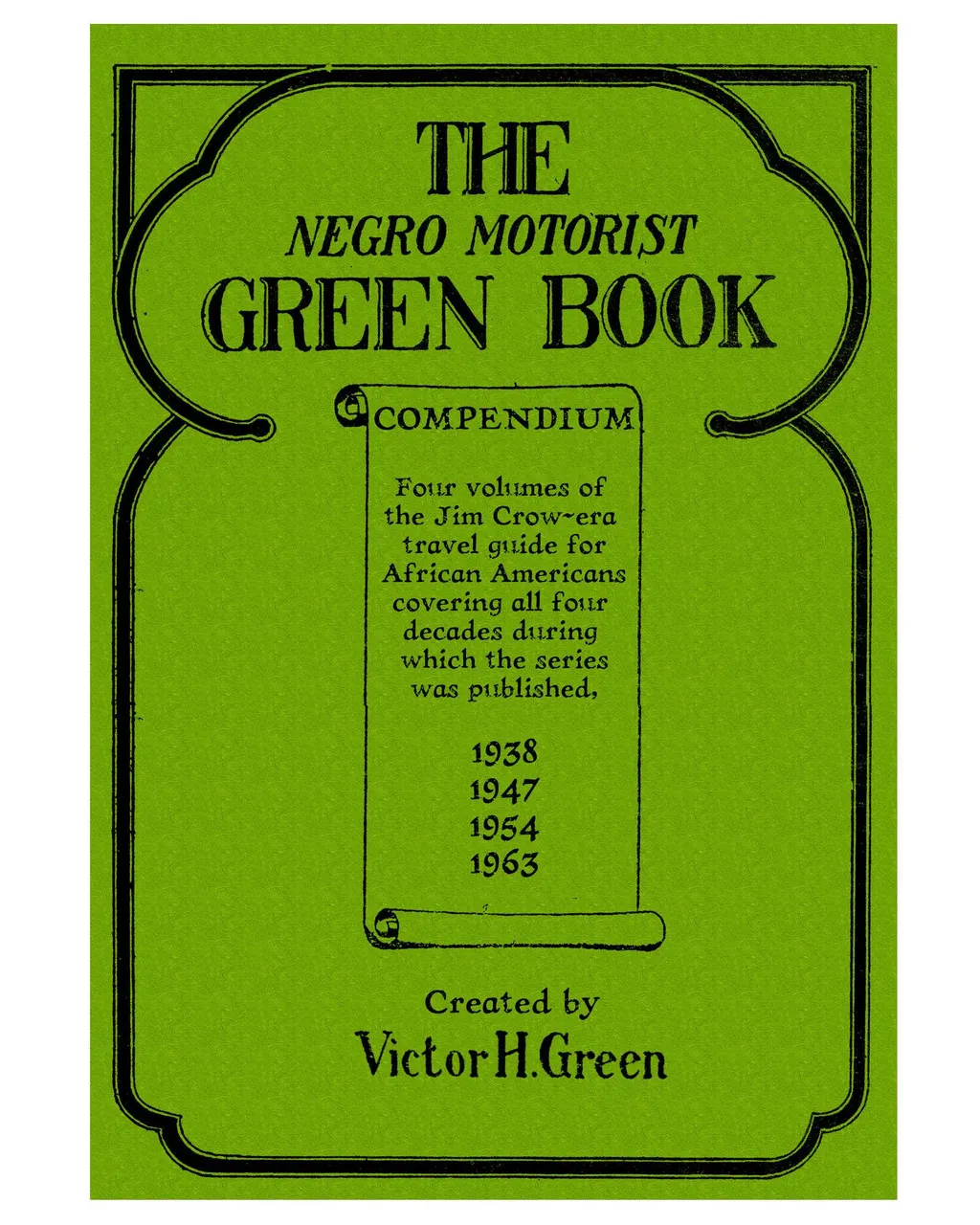 Photo: Negro Motorist Green Book, via cdn11.bigcommerce.com
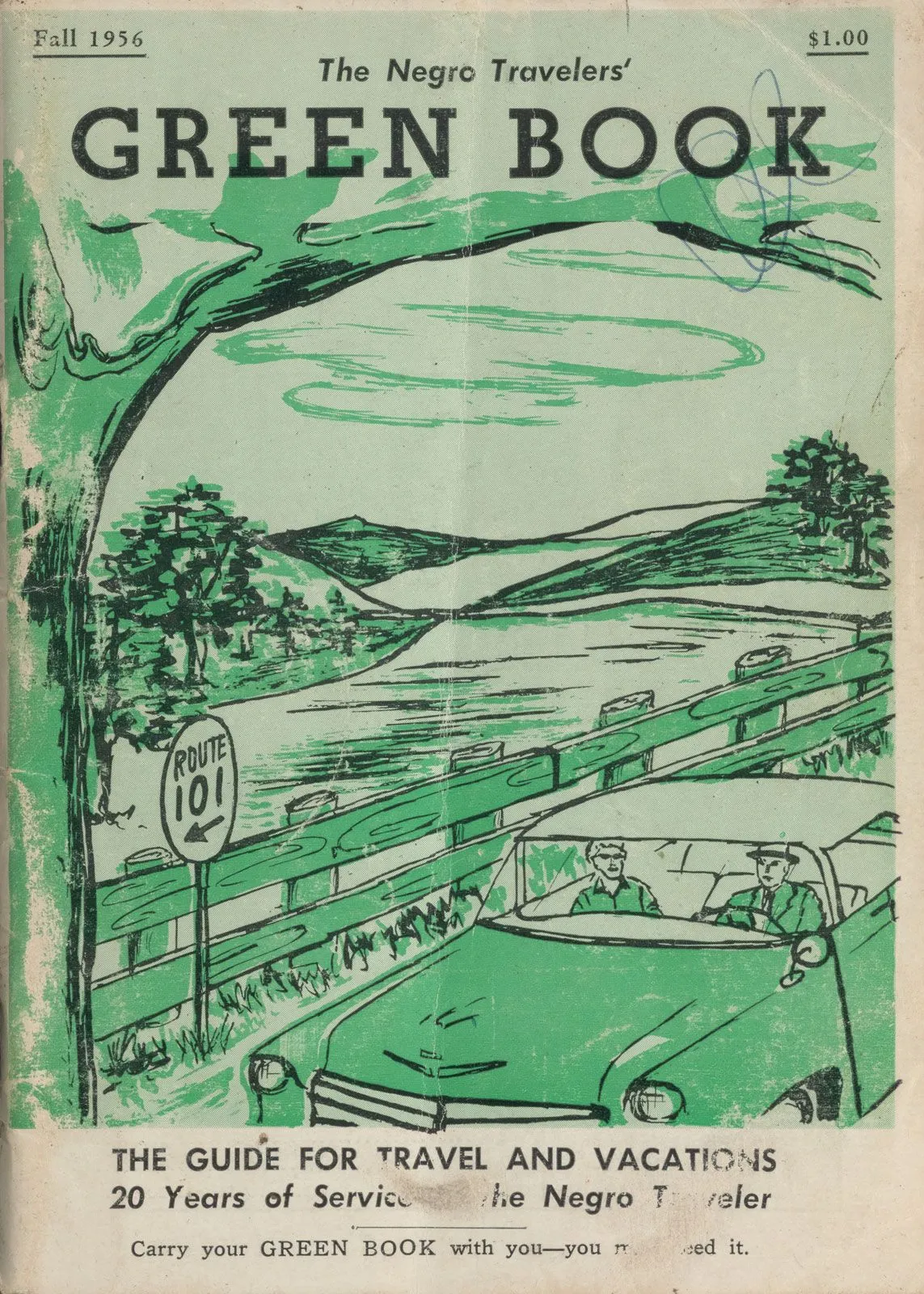 Photo: Victor Hugo Green, via cdn.britannica.com
The Green Book listed safe restaurants, beauty salons, and, crucially, private homes and tourist accommodations where Black travelers could stay without fear. Many of these were private residences operating on exactly the same model as the broader tourist home network — a spare room, a welcoming family, a fair price. The difference was that for Black travelers, the alternative wasn't just an inconvenient hotel. It was often no accommodation at all, or worse.
The Green Book is now well-known, thanks in part to the 2018 film. But its connection to the broader tourist home tradition — and what that tradition meant for communities systematically excluded from the mainstream hospitality industry — is a story that still doesn't get enough attention.
What the Motels Did to All of It
The post-World War II motel boom is what ended the tourist home era, not any failure of the concept itself. As the Interstate Highway System took shape and standardized motel chains spread along every major route, travelers gained something they hadn't had before: predictability. You knew exactly what you were getting at a Holiday Inn. The tourist home, by contrast, was a variable experience — sometimes transcendent, occasionally disappointing, always personal.
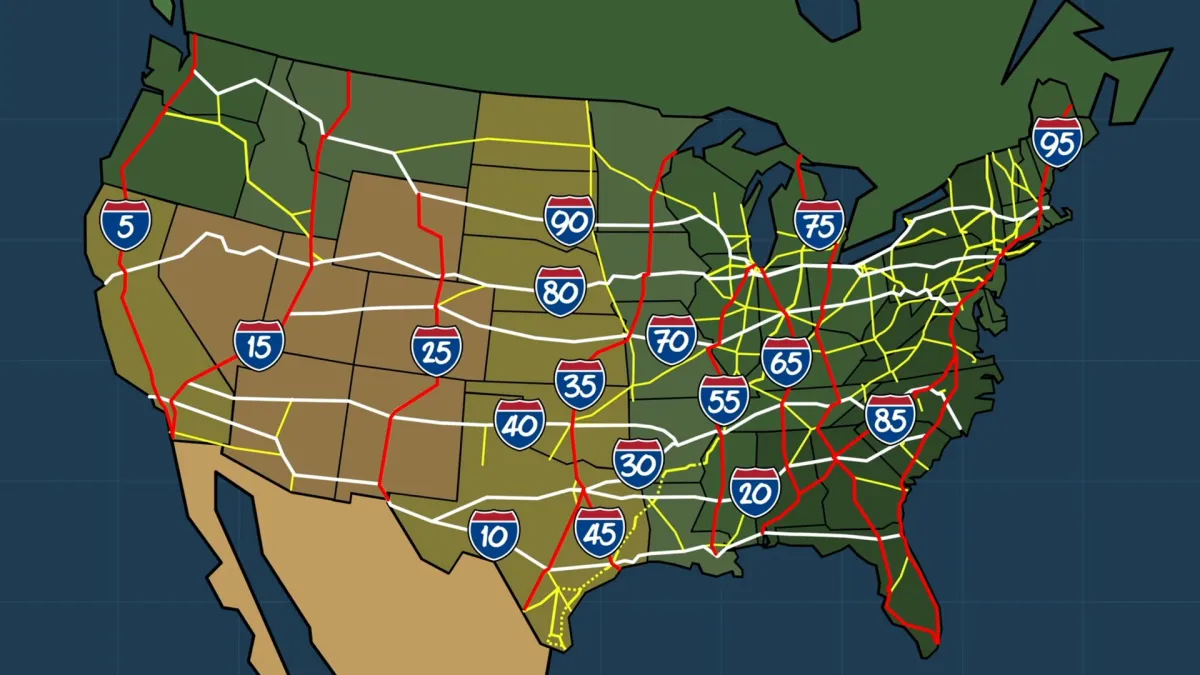 Photo: Interstate Highway System, via www.thedrive.com
The market voted for predictability, and the tourist home directories quietly went out of print.
But the appetite they served didn't disappear. It just waited.
The Rediscovery
When Airbnb crossed ten million bookings and journalists started calling it a revolution, they weren't entirely wrong — the technology was genuinely new. But the human instinct underneath it, the preference for a real home over a standardized room, the curiosity about how other people actually live, the appeal of a host who can tell you where the locals eat — none of that was invented in San Francisco.
It was invented by a woman in Indiana in 1931 who hung a card in her front window and set an extra place at the dinner table.
America built the sharing economy once already. It just forgot to file the patent.