The Evening Sky Was America's First Weather App — And It Was More Accurate Than You'd Think
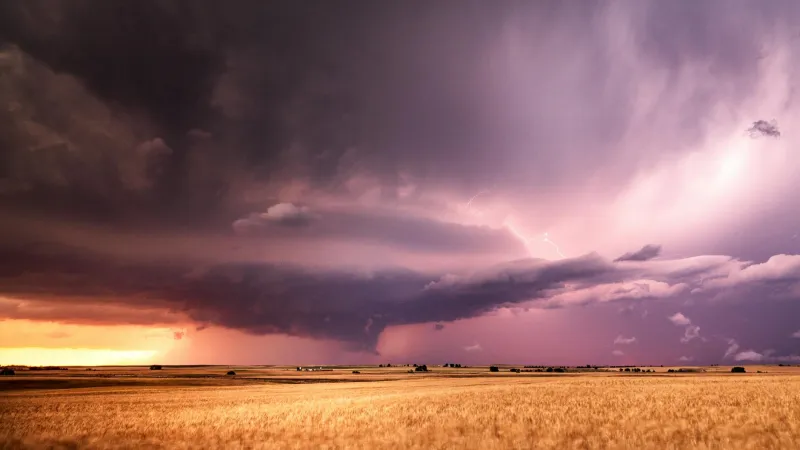
When Sunsets Were Science
Every evening around 1920, Martha Henderson would step onto her Nebraska farmhouse porch and study the western horizon like a scientist examining data. The color of the clouds, the way light scattered through them, even the smell of the air — all of it fed into calculations that would determine whether she'd harvest corn the next day or wait another week.
Henderson wasn't unusual. Across rural America, thousands of farmers, sailors, and anyone whose livelihood depended on weather had developed an intricate system for reading atmospheric conditions that meteorologists are only now beginning to understand and validate.
The Lost Language of Light
The foundation of sky reading wasn't folklore — it was physics. Rural Americans had unknowingly become experts in atmospheric optics, learning to interpret how light behaved as it moved through different types of moisture, dust, and air pressure systems.
A deep red sunset, for instance, wasn't just pretty. It meant light was traveling through an unusually thick layer of atmosphere, often indicating high pressure moving in — typically bringing clear weather for the next day or two. "Red sky at night, sailor's delight" wasn't just a rhyme; it was a compressed lesson in meteorology.
But the real experts went far beyond simple color reading. They knew that a sunset with distinct, sharp-edged clouds meant different weather than one with soft, fuzzy cloud boundaries. They could distinguish between the orange that meant dry air was moving in and the orange that warned of wind shifts.
Regional Variations in Sky Reading
What makes this lost knowledge particularly fascinating is how it varied by geography. Great Plains farmers developed different indicators than coastal fishermen, who used different signs than Appalachian mountain dwellers.
In the Pacific Northwest, where moisture and mountains create complex weather patterns, indigenous and settler communities learned to read not just the sunset, but the way evening light hit specific peaks. Certain combinations of cloud formations over Mount Rainier, for example, consistently preceded rain in the valleys below by 18-24 hours.
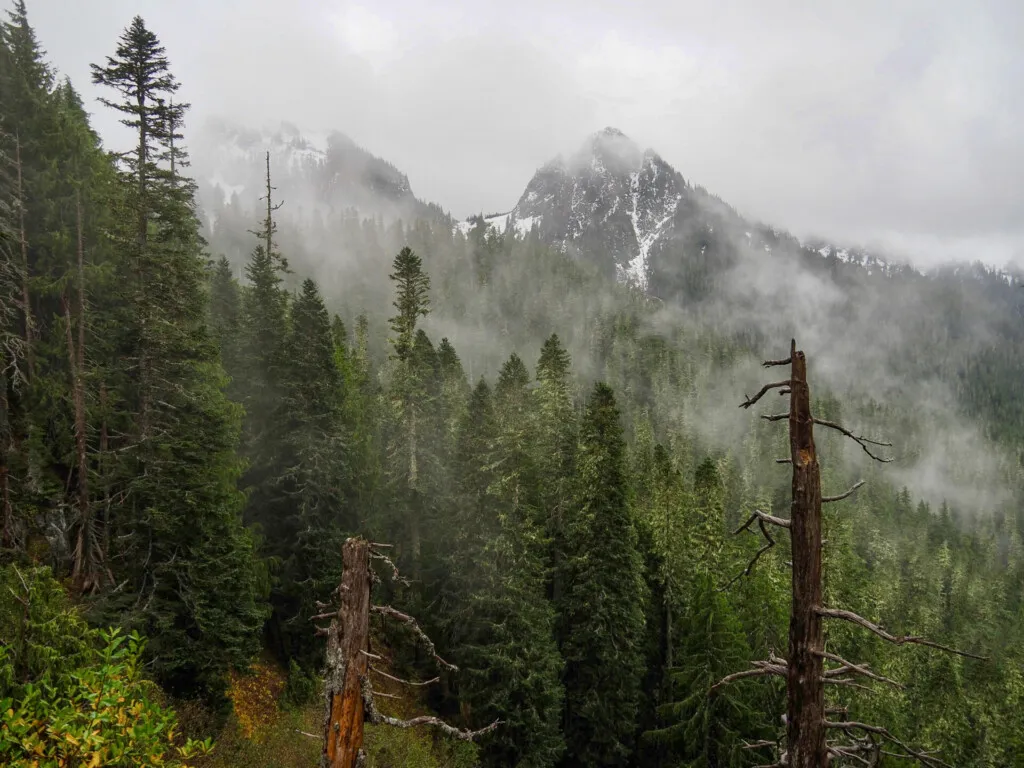 Photo: Mount Rainier, via www.landmeedchen.com
Midwestern farmers focused on what they called "mare's tails" — thin, wispy clouds that streaked across the evening sky. The angle and density of these clouds could predict wind direction changes that would arrive the following day, crucial information for anyone planning to work with hay or grain.
The Science They Didn't Know They Knew
Modern atmospheric research has confirmed the accuracy of many traditional sky-reading techniques, sometimes to a startling degree. A 2019 study by Colorado State University found that experienced "sky readers" in agricultural communities could predict next-day precipitation with 78% accuracy — nearly matching the performance of basic weather forecasting models.
The reason their methods worked has to do with the physics of light scattering and cloud formation. When experienced observers noted that "green-tinged sunsets bring wind," they were actually detecting specific wavelengths of light that only occur when certain atmospheric pressure gradients are present — gradients that reliably produce wind patterns 12-16 hours later.
Dr. Sarah Chen, an atmospheric physicist at NOAA, has spent years documenting these traditional methods. "What we're finding is that people were essentially doing real-time atmospheric analysis without instruments," she explains. "They were reading data that our satellites now measure, but they were reading it with their eyes."
 Photo: Dr. Sarah Chen, via www.oii.ox.ac.uk
The Subtle Indicators Most People Miss
The most skilled sky readers looked beyond obvious signs to subtle atmospheric cues that escaped casual observers. They noticed how smoke from chimneys behaved differently on evenings before weather changes. They could tell the difference between stars that "twinkled hard" (indicating atmospheric turbulence and potential storms) and stars that appeared steady (suggesting stable conditions).
Some developed incredibly specific indicators. Fishermen on the Great Lakes learned that when the evening sky showed a particular shade of purple — not pink, not blue, but a specific purple — it meant the wind would shift to the northeast within 18 hours, bringing rough water.
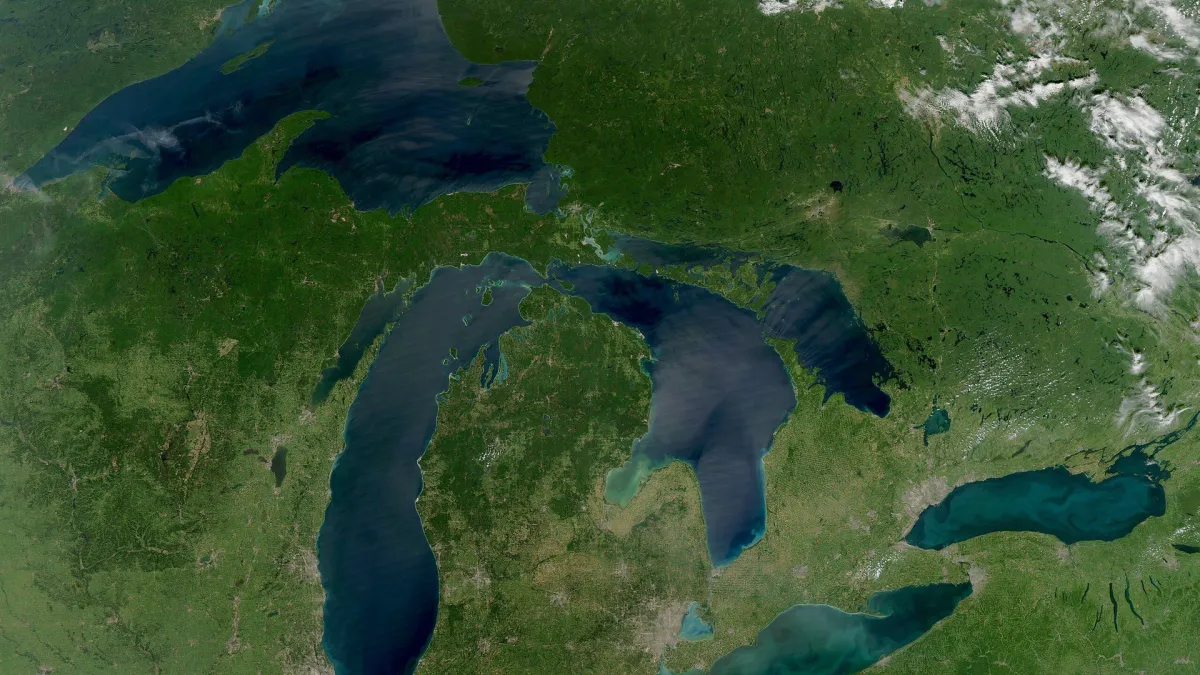 Photo: Great Lakes, via static1.thetravelimages.com
Farmers in the Southwest could distinguish between different types of dust in the evening air. Dust that created a hazy, soft sunset meant local wind patterns. Dust that made the sun appear unusually large and orange indicated larger weather systems moving through — often bringing the rare but crucial desert rains.
Why the Knowledge Disappeared
The decline of sky reading coincided with the rise of radio weather reports in the 1930s and 1940s. Why spend years learning to interpret atmospheric signs when you could simply turn on the radio each morning?
But the transition wasn't immediate. Many rural families continued teaching sky reading to children well into the 1960s, treating it as backup knowledge for when modern forecasting failed or wasn't available. The practice only truly disappeared as farming became more industrialized and fewer families lived in direct daily contact with weather patterns.
Learning to Look Up Again
The good news is that the skill isn't completely lost — and it's surprisingly learnable. Modern sky readers (yes, they exist) recommend starting with basic color observation. Spend two weeks watching sunsets and noting the next day's weather. You'll begin to see patterns that weather apps often miss, especially for hyperlocal conditions.
The key is consistency and attention to detail. Traditional sky readers didn't just glance at the sunset; they studied it for 10-15 minutes, noting changes as the sun moved lower. They paid attention to the entire western sky, not just the area around the sun.
The View from Here
In our smartphone age, the idea of reading weather from the sky might seem quaint or obsolete. But climate change is making weather patterns more unpredictable, and even sophisticated forecasting models sometimes miss rapid changes in local conditions.
Maybe it's time to step outside each evening and look up. Not for Instagram photos or casual beauty, but with the focused attention of someone whose day depends on what tomorrow brings. The sky is still telling the same stories it always has — we just forgot how to listen.