Long before Tony Robbins or Tim Ferriss promised to unlock your potential, Americans had a different approach to self-improvement. They gathered in church basements, town halls, and living rooms for something called Mutual Improvement Societies — small groups where ordinary people taught each other how to think, speak, and write better. No bestselling books required.
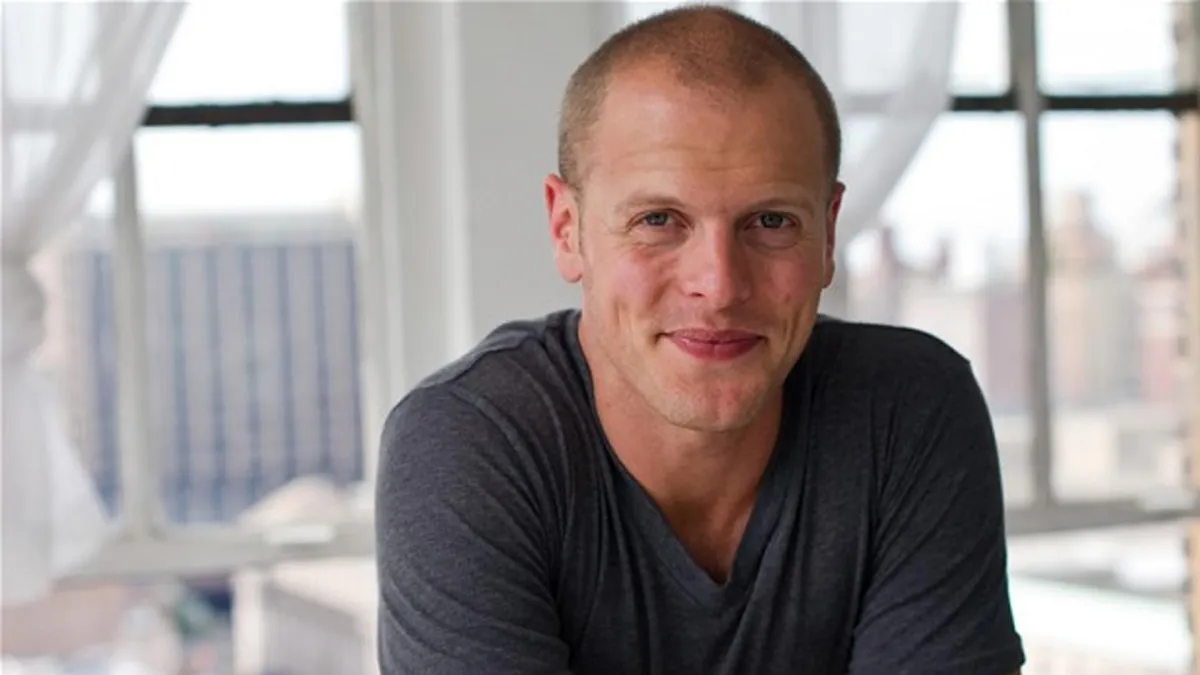 Photo: Tim Ferriss, via amahighlights.com
 Photo: Tony Robbins, via cdn.sanity.io
The Original Self-Help Movement
Between 1850 and 1920, thousands of these societies flourished across America. They went by various names — Literary Societies, Lyceum Clubs, Debating Societies — but the concept was the same: regular people helping each other improve their minds and skills.
Members would gather weekly to debate current events, critique each other's essays, practice public speaking, and study everything from philosophy to practical skills. The only requirement was a willingness to learn and teach others.
Unlike today's self-help culture, which focuses on individual transformation through expert guidance, these societies operated on peer-to-peer learning. Everyone was both student and teacher.
How It Actually Worked
A typical meeting might start with someone reading an essay they'd written during the week. The group would then offer constructive criticism — not just praise, but specific suggestions for improvement. Next might come a formal debate on a topic chosen weeks in advance, followed by impromptu speaking exercises.
The Adelphian Society in rural Illinois, for example, met every Thursday evening in 1887. Their meeting minutes show debates on topics ranging from "Should women have the right to vote?" to "Is modern literature superior to ancient literature?" Members took turns serving as critics, judges, and discussion leaders.
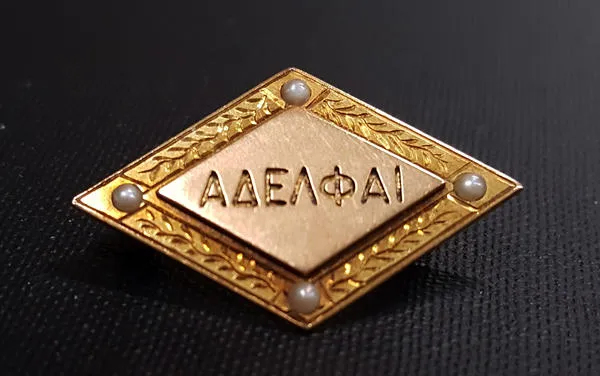 Photo: Adelphian Society, via uncglibraries.com
What made these groups effective was their structure. They weren't just social gatherings — they had rules, regular assignments, and accountability. Missing meetings or failing to prepare meant letting down your neighbors.
The Democratic Approach to Excellence
These societies were radically democratic in a way that modern self-help isn't. A farmer could debate a bank president. A seamstress might critique a lawyer's essay. Social hierarchies that dominated daily life were temporarily suspended in service of mutual improvement.
This created a unique learning environment. Without formal experts or authority figures, members had to rely on collective wisdom and honest feedback. The result was often more practical and applicable than what any single guru could provide.
The societies also tackled skills that formal education ignored. While schools focused on basic literacy and arithmetic, Mutual Improvement Societies taught practical communication, critical thinking, and civic engagement.
Why They Disappeared
Several factors led to their decline. The rise of mass media — radio, then television — provided passive entertainment that competed with active learning. Higher education became more accessible, making formal schooling seem more valuable than informal peer groups.
Urbanization played a role too. In small towns, these societies served as both education and entertainment. In cities, there were more alternatives — theaters, movies, professional lectures.
Perhaps most importantly, American culture shifted toward expertise and specialization. The idea that ordinary people could effectively teach each other began to seem quaint, even dangerous. Better to learn from certified professionals.
What Modern Science Says
Recent research in cognitive science suggests those 19th-century Americans were onto something. Studies show that peer learning — where people of similar skill levels teach each other — can be remarkably effective.
The "protégé effect" demonstrates that we learn better when we expect to teach others. Simply knowing you'll need to explain something to someone else changes how you process information.
Peer feedback, when properly structured, often produces better results than expert instruction alone. Learners relate better to someone who recently struggled with the same concepts.
Most importantly, the social accountability these societies provided — the knowledge that your neighbors were counting on your participation — created motivation that self-directed learning often lacks.
The Modern Echo
Today's closest equivalents might be writing groups, Toastmasters clubs, or book clubs — but these typically focus on single skills rather than general intellectual development. Online communities sometimes recreate the peer-learning dynamic, but they lack the face-to-face accountability that made the original societies so effective.
Some progressive companies have experimented with internal "learning circles" that echo the old mutual improvement model. Employees form small groups to develop skills together, teaching and learning from each other rather than relying solely on formal training.
Lessons for the Self-Help Age
The success of Mutual Improvement Societies challenges several assumptions of modern self-improvement culture:
Community beats isolation: While today's self-help emphasizes individual effort, these societies proved that learning with others is more effective and sustainable.
Peers can be better teachers: You don't always need an expert. Someone who recently mastered a skill often understands the learning process better than someone who mastered it decades ago.
Structure matters more than inspiration: These societies succeeded not because of charismatic leaders or motivational speeches, but because of consistent structure and mutual accountability.
Teaching accelerates learning: The expectation that you'll teach others forces deeper understanding than passive consumption of expert advice.
Reviving the Lost Art
While we're unlikely to see a full revival of 19th-century Mutual Improvement Societies, their principles remain relevant. Small groups of people committed to learning together, holding each other accountable, and sharing knowledge democratically might be exactly what our individualistic, expert-obsessed culture needs.
In an age where we're drowning in self-help content but struggling with practical skills like critical thinking and civil discourse, maybe the solution isn't another bestselling book. Maybe it's sitting in a circle with our neighbors, learning from each other the way Americans once did — one conversation at a time.