America's Underground Network of Seed Swapping That Survived Corporate Agriculture
America's Underground Network of Seed Swapping That Survived Corporate Agriculture
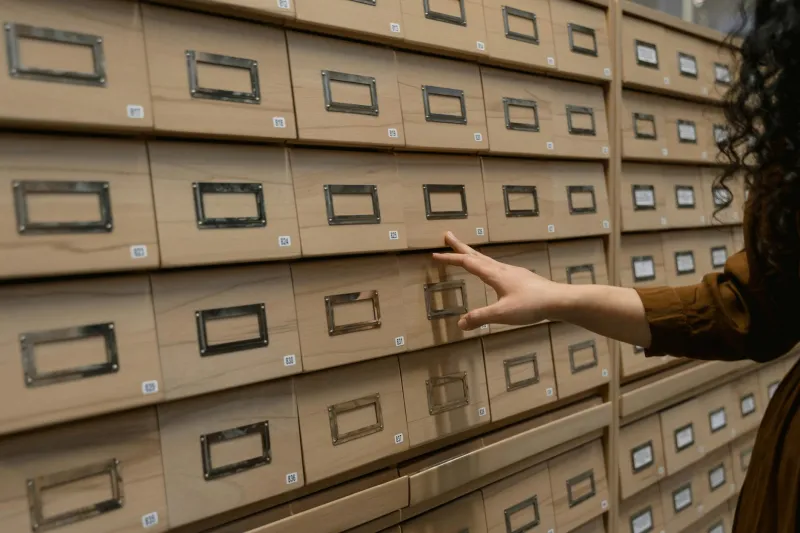
Walk into the Richmond Public Library in California, and you'll find something unusual tucked between the cookbook section and the computer terminals: a wooden cabinet filled with small envelopes, each containing seeds collected by local gardeners. Take what you need, contribute what you can. No checkout required.
This isn't some new-age experiment. It's the revival of an American tradition so old that your great-great-grandmother would have found it perfectly normal.
When Seeds Were Currency
Before the 1900s, seed sharing wasn't just common — it was essential for survival. American communities operated on what historians call "seed networks," informal systems where neighbors exchanged varieties that had proven successful in local conditions. A farmer in Ohio might trade his drought-resistant corn for a neighbor's early-ripening beans. Families passed down seeds like heirlooms, some varieties surviving generations in the same community.
These weren't just random plant swaps. Each seed carried a story: which variety survived the harsh winter of 1887, which tomatoes grew best in clay soil, which beans the kids would actually eat. Gardeners became living libraries of agricultural knowledge, and seeds were the books they shared.
The practice created something remarkable: incredible biodiversity. By 1900, American gardeners grew over 2,800 varieties of apples. Seed catalogs listed dozens of different lettuce types, each adapted to specific climates and growing conditions.
The Great Forgetting
Then came the 20th century, and everything changed.
Commercial seed companies promised convenience and consistency. Why trade uncertain varieties with neighbors when you could buy guaranteed results from a catalog? The rise of hybrid seeds — which don't reproduce true to type — made saving seeds pointless for many crops. Suburban lawns replaced victory gardens. Supermarkets made growing your own food seem unnecessary.
By 1983, the Rural Advancement Foundation International estimated that 93% of seed varieties available in 1903 had vanished entirely. Those 2,800 apple varieties? Down to about 300. The seed networks that had sustained American communities for centuries quietly disappeared.
The Quiet Revival
But here's what the agricultural industry didn't expect: librarians.
In 2000, the Bay Area Seed Interchange Library in California became the first modern seed library housed in a public library. The concept was simple yet revolutionary — treat seeds like books. Borrow them in spring, return them (as saved seeds) in fall, and keep the knowledge circulating.
The idea spread faster than morning glory vines. Today, over 800 seed libraries operate across the United States, most housed in public libraries but some in community centers, schools, and even coffee shops. The Hudson Valley Seed Library in New York has become a model for the movement, combining seed preservation with art and storytelling.
More Than Just Plants
What's driving this revival isn't just nostalgia — it's necessity.
Climate change demands crop varieties that can handle unpredictable weather. Corporate agriculture has reduced genetic diversity to dangerous levels; today's farmers plant crops from a gene pool so narrow that a single disease could wipe out entire harvests. Meanwhile, home gardeners are rediscovering that heirloom varieties often taste better and grow more successfully in local conditions than commercial hybrids.
Seed libraries preserve what scientists call "genetic memory" — the accumulated wisdom of plants that have adapted to specific places over generations. A tomato variety that's thrived in Minnesota backyards for fifty years carries genetic information that no laboratory can replicate.
How It Actually Works
Modern seed libraries operate on trust and abundance. Most require no membership fees or complex paperwork. You take seeds in spring, ideally save seeds from your best plants in fall, and return them with notes about how they performed. Some libraries provide growing guides and host seed-starting workshops. Others organize "seed swaps" where gardeners meet to trade varieties and share stories.
The Richmond Library's seed coordinator, Maria Santos, explains the appeal: "People want connection to their food and their community. When you plant seeds that came from your neighbor's garden, you're participating in something bigger than just gardening."
Finding Your Local Network
Seed libraries now exist in all 50 states, though they often fly under the radar. The best way to find one is through your local public library or by searching online directories maintained by organizations like the Sustainable Economies Law Center.
Can't find one nearby? Many seed libraries welcome mail-in contributions and exchanges. Some, like the Southern Exposure Seed Exchange in Virginia, blend commercial operations with community seed preservation, selling heirloom varieties while maintaining free seed-sharing programs.
The Seeds of Tomorrow
What started as a practical necessity has become something more profound: a quiet rebellion against the industrialization of food. Every saved seed represents a small act of independence, a connection to the past, and an investment in the future.
The next time you bite into a store-bought tomato that tastes like cardboard, remember that somewhere in America, a librarian is carefully filing away seeds from tomatoes that taste like summer itself — and they're waiting for you to discover them.