America's Lost Summer Camps for Adults — Where Families Learned Shakespeare Under Canvas Tents
The Summer Vacation Your Great-Grandparents Actually Took
Picture this: it's 1895, and your family's summer vacation involves packing into a tent for two weeks, attending morning lectures on ancient Greek philosophy, and spending evenings listening to traveling opera singers perform under a pavilion lit by oil lamps. No room service, no pool deck, no spa treatments — just books, music, nature, and hundreds of other families doing exactly the same thing.
This wasn't some fringe movement for intellectuals. This was mainstream American leisure, and it had a name: chautauqua.
When Education Was Entertainment
The chautauqua movement began in 1874 at a Methodist camp on the shores of Chautauqua Lake in western New York. What started as a two-week training program for Sunday school teachers quickly evolved into something unprecedented in American culture: a vacation destination where learning was the main attraction.
By the 1920s, more than 12,000 communities across the United States hosted chautauqua programs. Families would pack up their belongings each summer and head to tent cities that sprang up in small towns from coast to coast. These weren't rustic camping trips — they were organized cultural festivals that lasted weeks or even entire summers.
The typical chautauqua day started with morning lectures from traveling speakers who might discuss anything from the latest scientific discoveries to literary criticism of Dickens novels. Afternoons were reserved for workshops — photography, painting, music lessons, or debates on current events. Evenings brought concerts, theatrical performances, or magic shows performed by touring entertainers.
The Vacation That Built Communities
What made chautauquas different from modern resorts wasn't just the educational focus — it was the social structure. Families often returned to the same location year after year, building temporary but meaningful communities. Children who met at age eight would reunite every summer through their teenage years. Adults formed reading groups and discussion circles that continued through correspondence during the off-season.
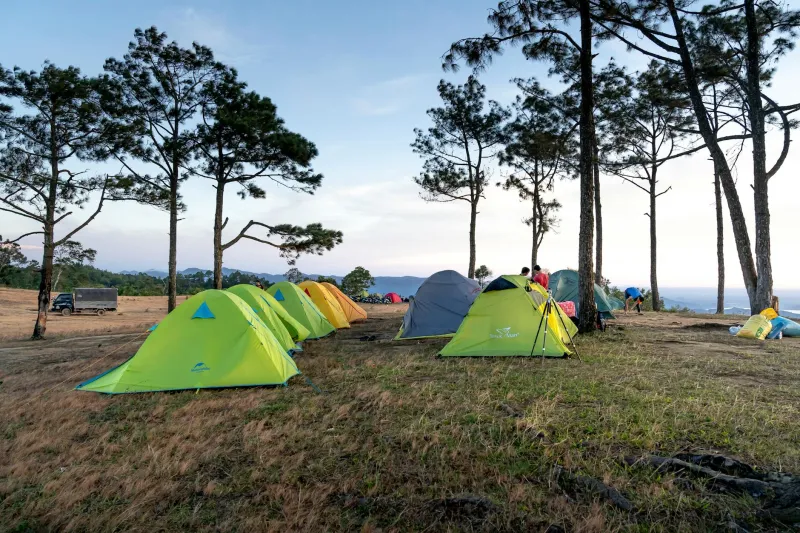
The accommodations were deliberately modest. Most attendees lived in canvas tents or simple wooden cottages arranged in neat rows around a central assembly hall. Meals were communal affairs, often prepared collectively or purchased from local vendors. The point wasn't luxury — it was shared experience and intellectual stimulation.
Why It All Disappeared
The chautauqua movement reached its peak in the 1920s and then collapsed with stunning speed. Several factors contributed to its decline, but the most significant was the rise of radio and automobiles.
Radio brought entertainment and education directly into American homes, eliminating the need to travel for cultural enrichment. Meanwhile, cars gave families mobility to explore different destinations each summer rather than returning to the same chautauqua grounds year after year.
The Great Depression delivered the final blow. Families could no longer afford weeks-long vacations, and the elaborate touring circuits that brought speakers and performers to small-town chautauquas became financially unsustainable.
The Survivors Hidden in Plain Sight
Here's what most Americans don't realize: a handful of original chautauqua grounds never closed. They adapted, evolved, and continue operating today, largely unknown to the broader public.
The original Chautauqua Institution in New York still runs nine-week summer programs that blend lectures, concerts, and theater performances. Ocean Grove, New Jersey, maintains its Victorian-era tent city where families still spend entire summers in canvas homes arranged around a central auditorium. Bay View, Michigan, operates as a seasonal community where residents attend daily lectures and evening concerts much as their great-grandparents did.
These surviving chautauquas don't advertise like modern resorts. They rely on word-of-mouth and multi-generational family traditions. Many have waiting lists for seasonal accommodations that stretch for years.
What We Lost When Chautauquas Faded
The decline of chautauqua culture represents more than just a shift in vacation preferences. It marked the end of an era when Americans routinely mixed leisure with learning, when families expected their summer breaks to include intellectual challenge alongside relaxation.
Modern vacation culture tends to separate education from entertainment. We visit museums during school trips, attend lectures at universities, and seek pure relaxation during vacations. The chautauqua model integrated all three into a single experience that families shared together.
Finding the Last Chautauquas
If you're curious about experiencing this forgotten form of American vacation, the surviving chautauquas welcome visitors. Most offer day passes or short-term stays alongside their traditional seasonal programs. Don't expect resort amenities — expect something rarer: a vacation that assumes you want to learn something new while you relax.
The next time you're planning a summer getaway, consider that your great-grandparents might have had something figured out that we've forgotten. Sometimes the best vacations aren't about escaping from thinking — they're about having the time and space to think more deeply than usual.